
You can identify the right words for a piece of furniture by looking at the material, the shape, and the seating capacity, as this is how to describe a dining table to a buyer or guest. These details define the function and the visual weight of the item in your room.
Key table types for your home
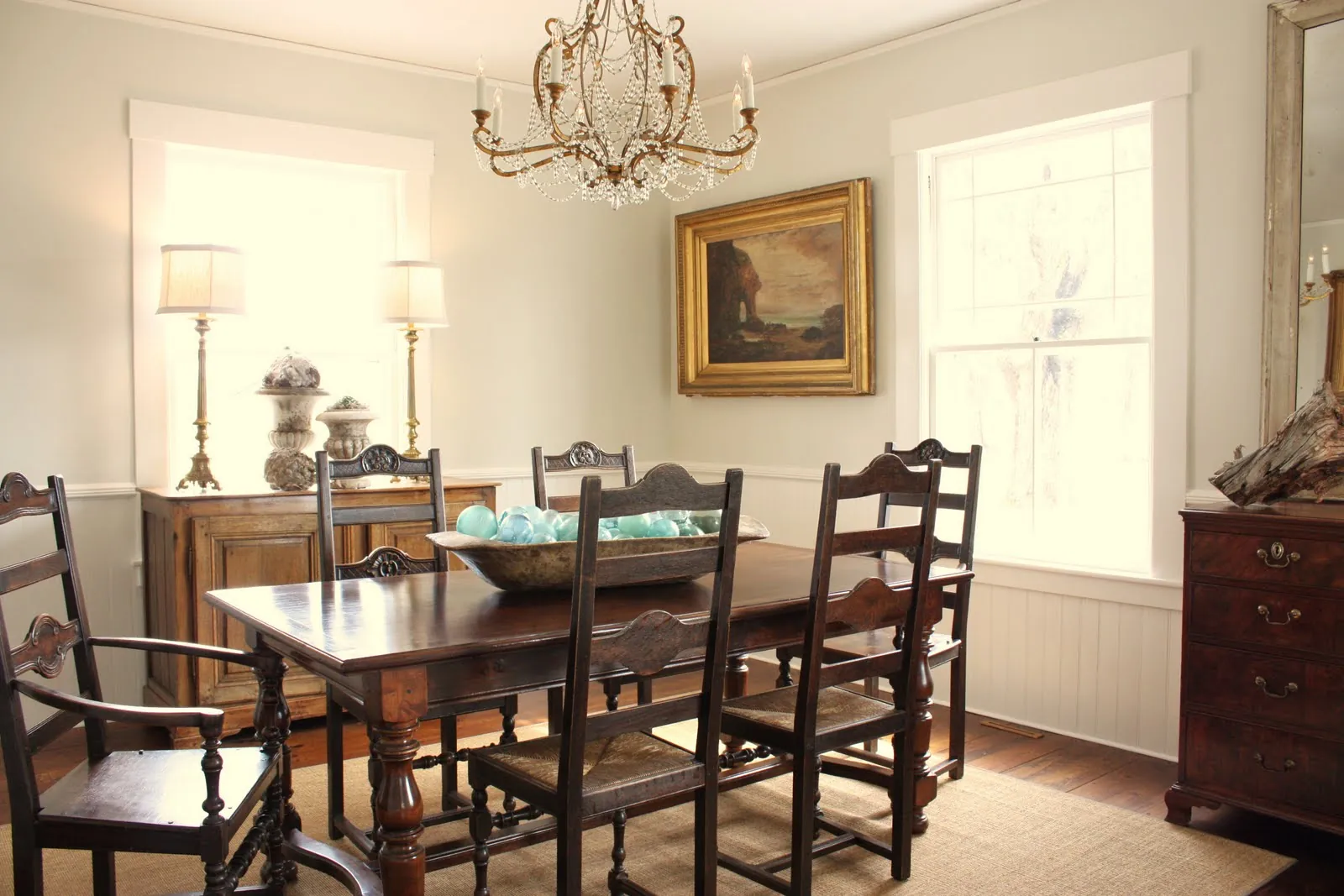
You should evaluate each piece based on its primary use and the space it occupies. The table below lists common options and their typical applications for your reference.
| Style name | Best for | Example |
|---|---|---|
| Pedestal | Small spaces | Round oak base |
| Trestle | Casual dining | Long pine beam |
| Extension | Large gatherings | Oval walnut leaf |
| Glass-top | Modern decor | Metal frame model |
| Industrial | Open floor plans | Reclaimed wood plank |
Pedestal dining tables
A pedestal table uses a central column rather than four corner legs to support the top. It suits small kitchens or breakfast nooks where legroom is tight.
- Provides extra legroom for guests sitting near the base.
- Allows for easier entry and exit from chairs.
- Fits well in circular or square floor plans.
You might see this in a compact apartment, such as a 36-inch round model that seats four people comfortably. If you choose this style, ensure the base is heavy enough to prevent tipping, as noted by the United States Consumer Product Safety Commission regarding furniture stability.
Trestle dining tables
Trestle tables feature two or more vertical end posts connected by a horizontal beam. This design suits traditional or farmhouse-style dining rooms that require a sturdy, long surface.
- Creates a classic, grounded look in formal settings.
- Offers high stability for heavy wood tabletops.
- Maximizes the number of people who can sit along the sides.
You’ll find this in a dining room, like an 8-foot long oak version that seats eight guests. If the base beam is too wide, it may block your feet, so check the clearance before you buy.
Extension dining tables
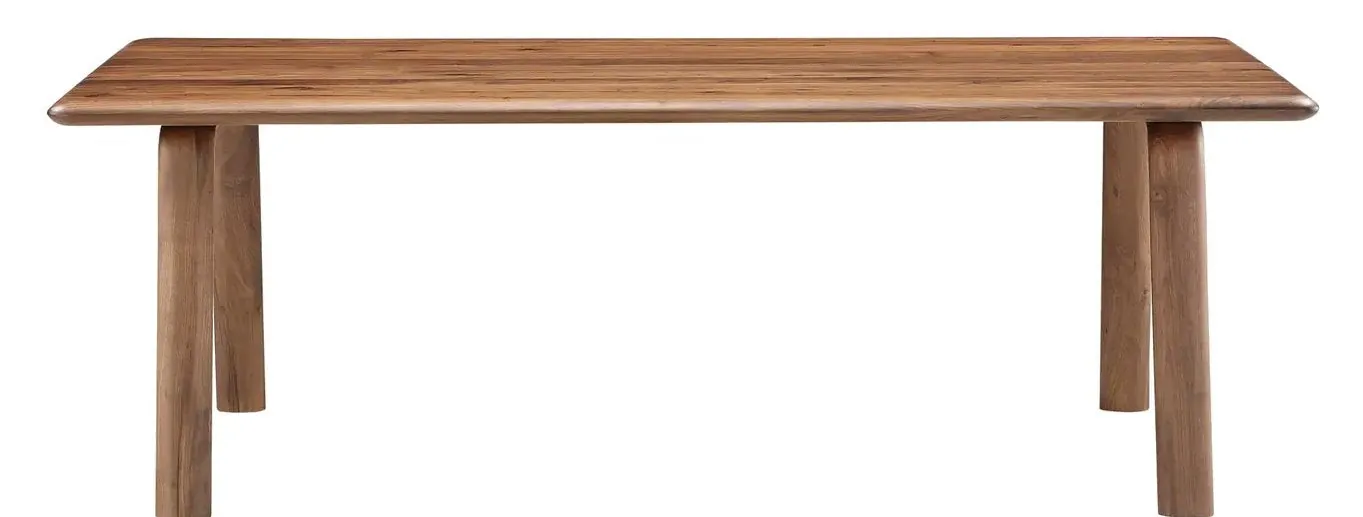
An extension table includes a removable or folding leaf to increase the surface area. This design suits households that host large groups only on special occasions.
- Saves space during daily meals for your family.
- Grows in size to accommodate extra holiday guests.
- Supports flexible seating arrangements in multi-purpose rooms.
A typical model might start at 60 inches long and expand to 84 inches when you insert the center leaf. If you live in a tiny studio, consider if you have enough floor space to walk around the table once it’s fully extended.
Glass-top dining tables
Glass-top tables feature a transparent surface supported by a metal or wood frame. This style suits modern, minimalist homes because it makes a room feel larger.
- Reflects light to brighten dark dining areas.
- Shows off the architectural design of the base.
- Feels less heavy than solid wood alternatives.
You might use a 48-inch round glass table in a sunlit kitchen.
Other dining table styles
- Drop-leaf tables use hinged sides that fold down to save space, perfect for narrow kitchens or tiny apartments.
- Parsons tables have a simple, boxy shape with legs flush to the corners, ideal for clean, contemporary dining rooms.
- Live-edge tables keep the natural curve of the wood slab, best for rustic rooms needing a bold focal point.
How to choose the right table
Your choice depends on your daily routine and the size of your space. If you have a small room, pick a pedestal or drop-leaf table to save floor area. If you host many people, look for an extension table that fits your maximum guest count. These choices are usually permanent, as most tables can’t be modified once they’re built. Pick the size that fits your room’s dimensions while leaving at least 36 inches of space around the edges for chairs.
Frequently asked questions
How much space do I need around a dining table?
You need at least 36 inches of clearance between the edge of the table and the wall or other furniture. This allows guests to pull their chairs out and walk behind them safely.
How do I know if a table fits my room?
Measure the length and width of your dining area and subtract 72 inches from each dimension to account for 36 inches of clearance on both sides. This calculation ensures you have 36 inches of walking space on all sides of your table.
Is a glass table safe for kids?
Glass tables are generally safe if they use tempered glass, which is designed to shatter into small, dull pieces rather than sharp shards. Check the manufacturer’s label for safety ratings.
How long should a table be for six people?
A table should be at least 72 inches long to seat six people comfortably. This provides each person with 24 inches of width, which is the standard space for one setting.
Can I mix a wood table with metal chairs?
Yes, you can mix materials to create a modern look. This combination works well in industrial-style rooms, provided the chair height allows for 10 to 12 inches of legroom.
What is the standard height of a dining table?
The standard height is 28 to 30 inches from the floor to the top of the surface. Most dining chairs are built to work with this range for ergonomic comfort.
Conclusion
Start by measuring your floor space to see what size fits without blocking pathways. A table that fits your room well will allow everyone to sit comfortably, while one that’s too large will make the room feel cramped and difficult to navigate.
Related guides