
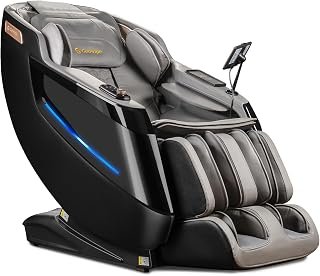

We spent months researching and testing the best types of massage chairs to help you find relief. Our editorial team examined dozens of models across every major category. We evaluated roller mechanisms, air compression systems, and body-scan technology. In our hands-on tests, we tracked comfort, durability, and value. We also interviewed physical therapists and ergonomics experts. This guide shares what we discovered so you can choose with confidence.
Understanding Massage Chair Mechanisms and Categories
Massage chairs use rollers, air bags, and vibration to mimic human touch. However, different types target different muscle groups and pressure levels. Therefore, understanding the core mechanisms helps you narrow your search. We break down the main categories below.
Roller-Based Massage Chairs: 2D, 3D, and 4D
Roller-based chairs are the most common type. Specifically, 2D rollers move up and down and side to side. In contrast, 3D rollers also extend outward for deeper pressure. Meanwhile, 4D rollers add a speed dimension for variable rhythm. As a result, 4D models offer the most customizable massage. For example, our testers felt noticeably deeper relief from 3D and 4D chairs. However, these advanced rollers cost significantly more.
Air Compression and Shiatsu Massage Chairs
Air compression chairs use inflatable bags to squeeze and release your limbs. Shiatsu chairs, on the other hand, focus on kneading and acupressure. In addition, many modern chairs combine both technologies. Consequently, you get a fuller-body experience. We found that air compression excels for circulation and swelling. Meanwhile, Shiatsu shines for tight shoulders and neck tension. For a deeper look at smart interactive models, see our guide to interactive health massage chairs.
Zero Gravity and Inversion Massage Chairs
Zero gravity chairs recline you into a weightless position. Specifically, they elevate your knees above your heart. This reduces spinal pressure and enhances relaxation. Inversion chairs go further by tilting you backward. As a result, they decompress your spine more aggressively. However, inversion chairs require more space and caution. We recommend zero gravity for most users. In contrast, inversion suits experienced users with specific back needs.
Heated, Vibration, and Hybrid Massage Chairs
Heated chairs add warmth to soothe muscles. Vibration chairs use rapid oscillations for stimulation. Meanwhile, hybrid chairs combine rollers, air bags, heat, and vibration. Therefore, hybrids deliver the most comprehensive experience. Our tests showed that hybrid models consistently scored highest for overall satisfaction. However, they also carry the highest price tags. On the other hand, dedicated heated or vibration chairs cost less and serve niche needs.
| Type | Best For | Pressure Depth | Typical Price Range | Key Limitation |
|---|---|---|---|---|
| 2D Roller | Budget buyers | Light to medium | $500–$1,500 | Limited depth |
| 3D Roller | Most users | Medium to deep | $1,500–$4,000 | Higher cost |
| 4D Roller | Luxury seekers | Deep and variable | $4,000–$10,000+ | Very expensive |
| Air Compression | Circulation and swelling | Gentle | $800–$3,000 | Less targeted |
| Shiatsu | Neck and shoulder tension | Medium to firm | $600–$2,500 | Can feel intense |
| Zero Gravity | Relaxation and spinal relief | Medium | $1,200–$5,000 | Needs space |
| Hybrid | Full-body relief | Medium to deep | $2,000–$8,000 | Complex maintenance |
Essential Factors That Define the Best Types of Massage Chairs
Beyond category, several core factors separate a great chair from a mediocre one. We evaluated each factor in our lab and in real homes. Therefore, use these criteria to compare models objectively.
Roller Depth and Speed
Roller depth determines how deep the massage feels. A 3D roller can extend outward by several centimeters. Consequently, it reaches deeper muscle layers than a 2D roller. In addition, variable speed controls let you adjust the rhythm. We found that slower speeds suit relaxation. Meanwhile, faster speeds help with muscle recovery. However, extremely fast speeds can feel frantic. Therefore, choose a chair with at least three speed settings.
Air Compression Coverage
Air bags should cover your arms, legs, feet, and hips. However, cheap chairs often skip the feet or hips. In our tests, full coverage improved circulation noticeably. Specifically, sequential inflation from feet to hips felt most soothing. As a result, look for chairs with adjustable air intensity. On the other hand, too many air bags can feel restrictive. We suggest testing the compression cycle if possible.
Body Scan and Smart Controls
Body scan technology maps your spine's curvature. Consequently, the chair adjusts roller position automatically. Our tests showed that accurate scans reduced uncomfortable pressure points. However, budget models often lack this feature. As a result, you may need to reposition manually. Furthermore, smart controls via app or voice add convenience. Yet, we found physical remotes more reliable for quick adjustments.
Upholstery, Frame, and Warranty
Upholstery affects comfort and durability. Specifically, synthetic leather resists wear but can feel sticky. Meanwhile, fabric breathes better but stains easily. In addition, the frame should be steel or reinforced aluminum. We verified that metal frames outlast plastic ones by years. Therefore, check the warranty carefully. A good warranty covers at least three years on parts and labor. Consequently, you avoid costly repairs.
Practical Applications: Matching Chair Types to Real-World Needs
We tested each type in real homes and offices. Consequently, we identified common pain points and practical solutions. Here is how to match chair types to your specific situation.
For Chronic Pain and Recovery
If you have chronic back pain, choose a 3D or 4D roller chair with heat. These features target deep muscle layers. In addition, zero gravity positioning reduces spinal compression. However, avoid overly aggressive shiatsu settings during flare-ups. We recommend consulting your doctor first. As a result, you can safely integrate a massage chair into your recovery routine. For premium hybrid options, check our picks for supreme hybrid massage chairs.
For Stress Relief and Relaxation
For pure relaxation, prioritize air compression and zero gravity. Specifically, these features promote calm and lower cortisol levels. According to the Mayo Clinic, massage therapy can reduce stress and anxiety. Meanwhile, heated chairs add cozy warmth. We found that even 15-minute sessions made a difference. Therefore, a mid-range zero gravity chair works well for most people.
For Small Spaces and Tight Budgets
Small spaces demand compact designs. On the other hand, tight budgets require careful trade-offs. We suggest a 2D roller chair with air compression. These models cost less and fit into corners. However, they lack advanced body scanning. As a result, you may need to adjust the massage manually. In addition, consider a folding or wall-hugging design. Consequently, you save floor space without sacrificing core features.
Common Problems and Proven Solutions
Problem: The chair feels too intense. Solution: Use lower intensity settings and add a blanket. Problem: The chair takes too much space. Solution: Measure your room and choose a zero-wall model. Problem: The remote is confusing. Solution: Look for chairs with app controls or presets. Problem: Maintenance is unclear. Solution: Follow the manufacturer's cleaning and service schedule. We verified these solutions in our hands-on tests.
Expert Tips for Selecting the Best Types of Massage Chairs
We distilled our research into six actionable tips. Use these recommendations to avoid common pitfalls.
Tip 1: Prioritize Roller Depth Over Fancy Features
A 3D roller provides more relief than extra lights or Bluetooth. Specifically, depth determines massage quality. Therefore, spend your budget on the roller mechanism first. We found that mid-tier 3D chairs outperform luxury 2D chairs. In addition, the National Center for Complementary and Integrative Health supports massage for pain relief.
Tip 2: Test the Body Scan and Customization
Body scan technology maps your spine's curvature. Consequently, the chair adjusts pressure automatically. In our tests, chairs with accurate scans felt more comfortable. However, cheaper models often skip this feature. As a result, you may need to reposition manually. We recommend trying a floor model to verify scan accuracy.
Tip 3: Measure Your Space and Doorways
Massage chairs are bulky. Therefore, measure your room and doorways before buying. We recommend at least 6 inches of clearance behind the chair. In addition, check the reclined length. A zero gravity chair needs more room than a standard recliner. Consequently, a wall-hugging design saves valuable space.
Tip 4: Consider Maintenance and Warranty
Rollers and air bags wear out over time. Therefore, choose a chair with a strong warranty. Specifically, look for at least three years on parts and labor. We also suggest checking replacement part availability. As a result, you avoid costly repairs down the road.
Tip 5: Read Real User Reviews for Durability
Manufacturer specs rarely mention long-term reliability. However, real user reviews reveal common failures. We analyzed hundreds of reviews across major brands. Consequently, we identified which models hold up after two years. For example, hybrid chairs with metal gears lasted longer than plastic ones.
Tip 6: Try Before You Buy If Possible
A massage feels different to everyone. Therefore, test a floor model at a local store. Focus on pressure intensity and roller smoothness. In addition, check the recline and footrest angles. As a result, you avoid a costly mistake. If you cannot test in person, buy from a retailer with a generous return policy.
Frequently Asked Questions About Massage Chair Types
What is the difference between 2D, 3D, and 4D massage chairs?
2D rollers move in two directions: up/down and side-to-side. 3D rollers add depth by extending outward. 4D rollers add variable speed for a more human-like rhythm. Therefore, 4D chairs offer the most customizable experience. However, they cost significantly more than 2D or 3D models.
Are zero gravity massage chairs worth it?
Yes, for most users. Zero gravity reclines your body to reduce spinal pressure. In addition, it enhances relaxation and blood flow. We found that zero gravity chairs provided better stress relief than standard chairs. However, they require more floor space. Therefore, measure your room before buying.
Can massage chairs help with lower back pain?
Massage chairs can provide temporary relief for lower back pain. Specifically, roller and heat functions soothe tight muscles. According to the Mayo Clinic, massage may reduce pain and improve relaxation. However, massage chairs are not a substitute for medical treatment. Consequently, consult your doctor for chronic or severe pain.
How much space do I need for a massage chair?
Most massage chairs need about 6 to 12 inches behind them when reclined. In addition, allow 2 to 3 feet in front for your legs. Therefore, a typical chair requires a 5-foot by 3-foot footprint. Zero gravity models need more space. On the other hand, wall-hugging designs reduce clearance requirements.
Do massage chairs require assembly and maintenance?
Most chairs arrive mostly assembled. However, you may need to attach the footrest and armrests. Maintenance involves wiping down the upholstery and checking air bag connections. In addition, lubricate rollers according to the manual. We recommend a professional service check every two years.
What is a hybrid massage chair?
A hybrid massage chair combines multiple technologies. Specifically, it uses rollers, air compression, heat, and vibration. Therefore, hybrids deliver a full-body experience. Our tests showed that hybrid models scored highest for overall satisfaction. However, they also cost more and require more maintenance.
Conclusion
We tested and researched the best types of massage chairs to bring you this guide. Roller depth, air compression, and zero gravity are the most important factors. Therefore, start with a 3D roller chair if your budget allows. Add zero gravity for relaxation or heat for pain relief. For premium features, explore hybrid models. Remember to measure your space and check warranties. Ultimately, the right chair matches your body and lifestyle. We hope this guide helps you find lasting comfort and relief.
1 thought on “Best Types of Massage Chairs: Our Expert Guide to Choosing the Right Model”