
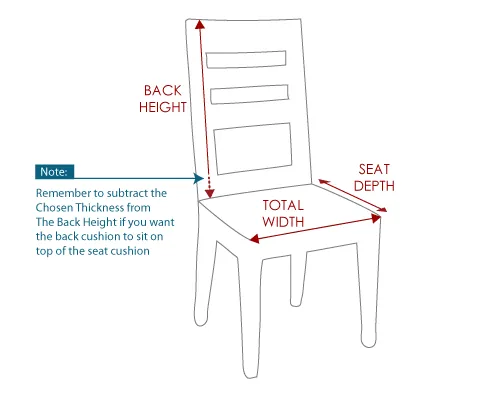
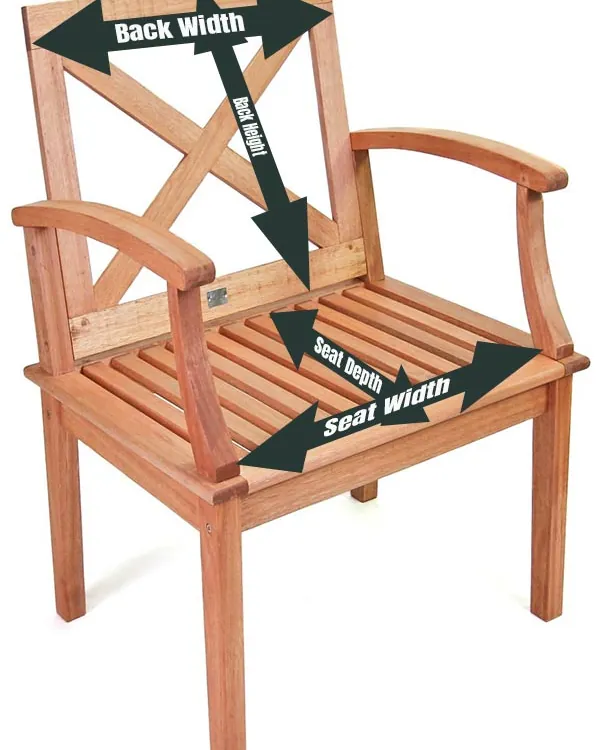
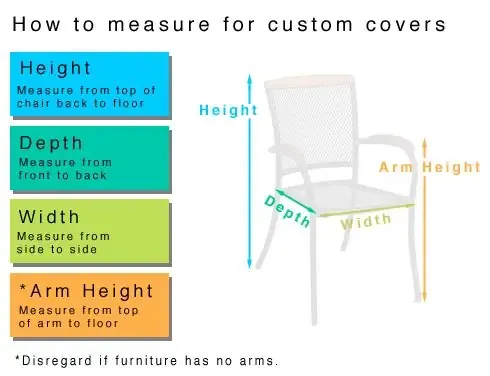
Measuring the seat depth of a chair involves identifying the distance from the front edge of the seat to the backrest or the point where the back meets the cushion. This measurement is critical for ensuring proper ergonomics, as a seat that’s too deep can put pressure on the back of your knees, while one that’s too shallow may provide inadequate thigh support. To obtain an accurate figure, you must distinguish between the total depth of the chair frame and the usable seat depth, which is where your body actually rests.
Key Takeaways
- Use a rigid tape measure to ensure the line remains straight and parallel to the floor.
- Measure from the most forward point of the seat to the backrest support.
- Account for any lumbar curvature or back cushions that reduce usable space.
- Standard desk chairs usually feature a seat depth ranging between 16 and 19 inches.
- Always measure from the center point of the seat to avoid inaccuracies caused by contours.
How to Measure Depth of a Chair
To determine the dimensions correctly, place the start of your measuring tape at the very front edge of the seat cushion. Run the tape straight back until it hits the front surface of the backrest or the lumbar support area. Ensure your tape is level and doesn’t dip into any crevices, as this will result in a shorter, inaccurate measurement. If the chair has a curved front edge, measure from the center of that curve.
Essential Tools for Accuracy
- Retractable steel tape measure for structural stability.
- A flat, rigid ruler if measuring a small or tight space.
- Painter’s tape to mark the start point if you’re working alone.
- A level tool to ensure the tape remains horizontal.
Understanding Usable Seat Depth
The usable seat depth is the distance between the front edge of the seat and the point where your lower back makes contact with the chair back. If the chair has a thick back cushion, you must measure to the cushion, not the rigid frame behind it.
| Chair Type | Typical Depth Range (Inches) | Primary Use Case |
|---|---|---|
| Task Chair | 16 – 19 | Office and computer work |
| Dining Chair | 17 – 20 | Upright, formal dining |
| Lounge Chair | 20 – 24 | Relaxation and casual sitting |
| Accent Chair | 18 – 22 | Decorative and occasional use |
Why Does Seat Depth Matter?
Proper depth is the foundation of ergonomic comfort. If the seat is too deep, you’ll likely slide forward to reach the floor, which causes you to lose the benefit of the backrest. Conversely, if the seat is too shallow, your thighs will lack support, placing excessive pressure on your sit bones. This misalignment often leads to long-term discomfort, fatigue, and poor posture during extended periods of sitting.
Measuring Chairs With Contoured Seats
If your chair features a waterfall edge or a contoured seat pan, the measurement process changes slightly. You should measure from the point where the seat begins to curve downward at the front to the vertical plane of the backrest. Don’t include the sloped portion of the waterfall edge in your depth calculation, as this area is designed to hang off the seat rather than support the weight of your thighs.
Can You Modify Seat Depth?
If you find your chair is too deep, you can often mitigate the issue by adding a lumbar support pillow or a firm back cushion. This effectively pushes your body forward, reducing the distance between your knees and the front edge of the seat. If the chair is too shallow, there’s rarely a way to increase the depth, as this is a structural limitation of the chair frame.
Tips for Consistent Measurements
- Pro Tip: Always wear the shoes you typically wear while using the chair to account for how your feet rest on the floor.
- Ensure the chair is on a level surface, such as hardwood or tile, rather than a thick carpet, which can cause the chair to tilt slightly and alter your measurement.
- Measure three times: once at the center, and once near each side of the seat to account for any variations in the cushion shape.
| Measurement Step | Action Required | Expected Result |
|---|---|---|
| Step 1 | Place tape at center-front edge | Establish baseline |
| Step 2 | Extend tape to backrest | Identify depth limit |
| Step 3 | Subtract cushion thickness | Calculate actual support |
Related guides
- How to Pick an Ergonomic Office Chair: A Step-by-Step Guide
- Best Mesh Office Chair Under $100: 10 Top Picks for Comfort & Support
- 10 Best Mesh Chairs Under 100 for Ergonomic Support
Frequently Asked Questions
Is seat depth the same as chair depth?
No. Chair depth refers to the total footprint of the furniture, measured from the very front of the seat to the furthest point on the back of the frame. Seat depth only measures the area where a person sits. You’ll find that the total chair depth is always several inches longer than the seat depth due to the thickness of the backrest and the frame.
How much space should be behind my knees?
There should be a gap of approximately two to four inches between the front edge of the seat and the back of your knees. This space is essential to prevent the edge of the chair from pressing into your popliteal area, which can restrict blood flow and cause leg numbness after sitting for an extended period.
Does seat height affect depth perception?
Yes, seat height significantly alters how depth feels. If your chair is too high, your feet may not touch the ground, which forces you to slide forward, effectively shortening the usable depth of the chair. Always ensure your feet are flat on the floor or a footrest before evaluating whether the depth of your seat is appropriate for your body size.
Should I measure the cushion or the frame?
You should always measure the cushion if it’s fixed or part of the upholstery. If the cushion is loose, measure the seat pan frame itself to get the true structural depth. For removable cushions, measure the frame to understand the maximum potential depth, then add the cushion thickness to see if it reduces the space in a way that affects your comfort.
Can a wrong depth cause back pain?
Yes, incorrect depth is a leading cause of back strain. When the seat is too deep, you can’t lean back against the support, forcing your lower back to arch or hunch. When it’s too shallow, you lack the necessary thigh support to stabilize your pelvis. Both scenarios cause the muscles in your lower back to work harder to maintain your posture, leading to fatigue and chronic pain.
Conclusion
Following these steps will help you identify the precise dimensions of your furniture, ensuring you choose or adjust your seating for maximum physical comfort. Take the time to evaluate your current chair against these standards, and consider adding supportive cushions if your measurements suggest the seat isn’t a perfect fit for your frame.