Mastering how to pose on a chair requires a balance of intentional posture, creative angles, and an understanding of how your body interacts with furniture to create flattering silhouettes. Whether you’re aiming for a high-fashion editorial look or a relaxed lifestyle aesthetic, the chair acts as a prop that can either ground your composition or provide a dynamic element for movement. The key to success lies in avoiding the “stiff” look by maintaining tension in your limbs and keeping your spine elongated to prevent slouching.
Key Takeaways
- Keep your weight off the center of the seat to maintain a slim profile.
- Extend your legs or cross your ankles to create geometric lines.
- Use the chair’s backrest for support to avoid a rounded, hunched spine.
- Vary your hand placement to avoid awkward, “dead” arm positioning.
- Always point your toes or flex your feet to elongate your legs.
How to Pose on Chair Surfaces
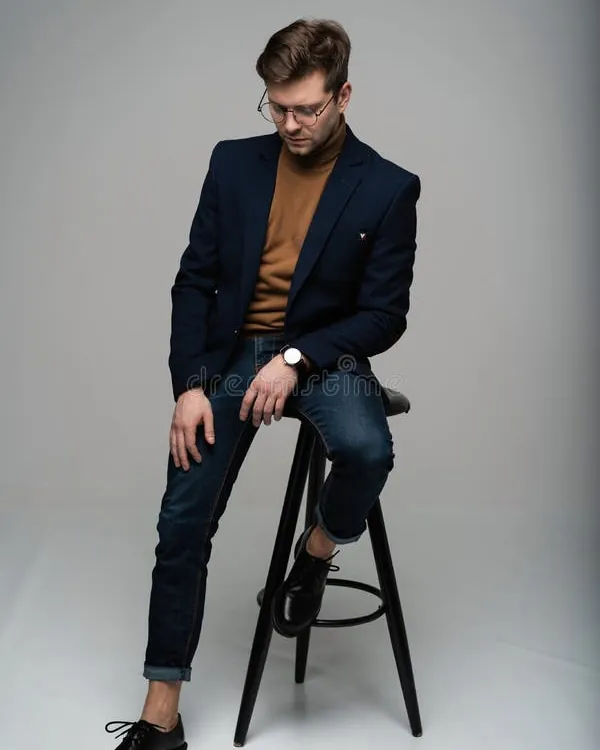
The way you interact with the seat determines the overall mood of the photograph. When sitting, avoid sinking entirely into the cushion, as this compresses your frame. Instead, perch toward the edge of the chair. This creates a triangular composition with your body, which is visually more interesting than a straight-on, boxy stance.
If the chair has arms, use them to frame your body or create negative space by placing one hand on a rest while keeping the other draped naturally toward the floor.
Creating Dynamic Lines With Legs
Your legs are the most powerful tools for creating shape. If you keep them flat on the floor, you risk looking static. Instead, try these techniques to add visual interest to your lower body:
| Leg Position | Effect Created | Ideal For |
|---|---|---|
| One leg extended | Elongates the frame | Full-length shots |
| Crossed at ankles | Sophisticated, relaxed | Portraiture |
| One foot on seat | Edgy, urban vibe | Editorial fashion |
| Both feet on floor | Grounded, stable | Professional headshots |
Why Should You Avoid Slouching?
Slouching compresses the torso and makes the neck appear shorter, which is rarely flattering in a still image. To maintain a strong posture, imagine a string pulling the crown of your head toward the ceiling.
When you lean back, don’t lean your entire weight against the chair back. Use it as a subtle touchpoint to maintain your alignment. Proper spinal alignment is essential for both aesthetic appeal and long-term musculoskeletal health, as noted by the Harvard Medical School guide to healthy posture.
Incorporating Hands and Arms
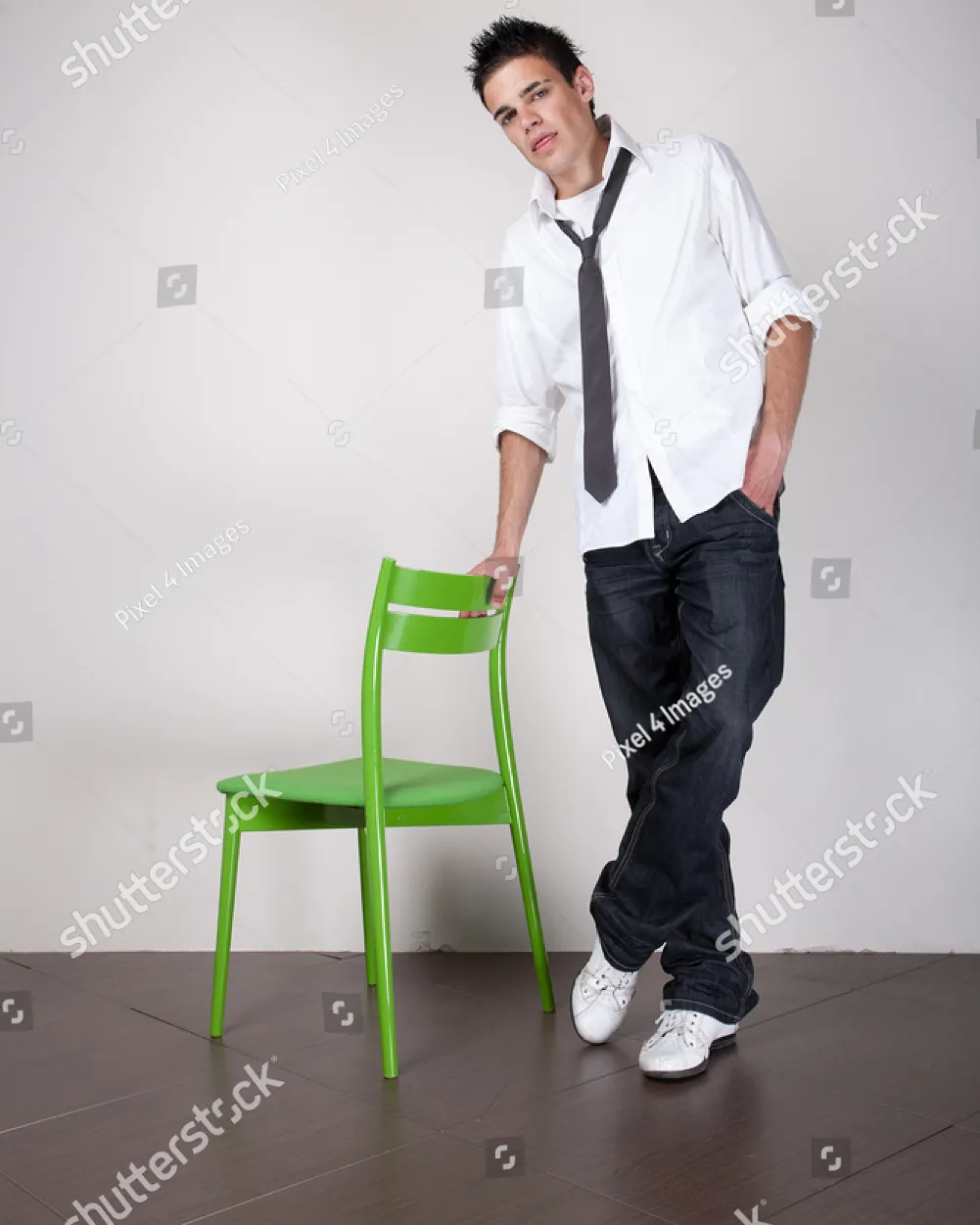
Hands often become an afterthought, leading to “claw” shapes or stiff, hanging limbs. To keep your hands looking elegant, keep your fingers soft and slightly separated. Avoid pressing your palms flat against the chair, as this can make your arms appear larger due to muscle tension. Instead, lightly graze the surface with your fingertips or rest your wrists gently on your knees.
Pro Tip: If you feel like your hands are awkward, hold a small accessory like a book, a coffee cup, or a piece of fabric to give your fingers a natural, functional task.
Choosing the Right Chair Style
The furniture you choose changes the narrative of the image. A high-backed wooden chair suggests authority and structure, while an overstuffed armchair conveys comfort and leisure. When selecting your prop, ensure the scale matches your body. A chair that’s too large can swallow your frame, while one that’s too small might make you look cramped.
Selecting Furniture Types
- Velvet Armchairs: Great for moody, soft lighting and luxurious textures.
- Modern Metal Stools: Perfect for high-fashion, minimalist, or industrial themes.
- Wooden Dining Chairs: Ideal for clean, classic, or “candid” lifestyle photography.
- Office Chairs: Best for professional or “work-from-home” aesthetic shots.
Troubleshooting Common Posing Errors
If your photos consistently look stiff, you’re likely holding your breath or locking your joints. Fluid movement is the antidote to a rigid pose. Try shifting your weight slightly every few seconds rather than holding one static position for the entire duration of the shoot.
Warning: Never lock your knees or elbows while posing; keeping a “micro-bend” in your joints keeps the muscles engaged and prevents that unnatural, mannequin-like appearance that ruins otherwise great shots.
How Do You Stay Comfortable?
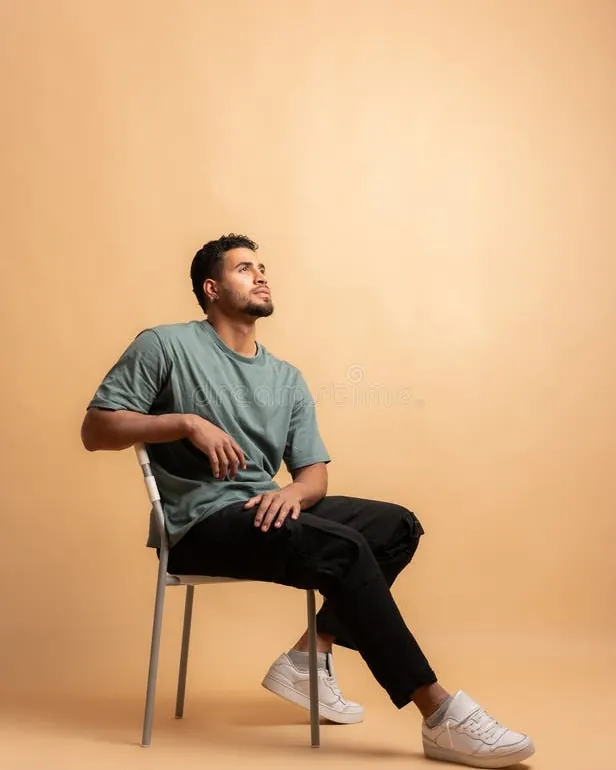
Comfort translates to confidence on camera. If you’re struggling to balance on a narrow stool, your facial expression will reveal that tension. Choose a chair that allows you to sit securely. If you’re wearing heels, focus on the placement of your feet, as the arch of the foot can create a beautiful, curved line that adds femininity to your pose.
Related guides
- My Honest Review: Gaming Chair – 2026 Guide
- My Honest Review: Gaming Chair – 2026 Guide
- My Honest Review: Gaming Chair – 2026 Guide
Frequently Asked Questions
How do I stop my legs from looking short?
Avoid placing both feet flat on the floor directly under your knees. Instead, extend one leg toward the camera or cross your ankles. Extending a limb toward the lens creates a forced perspective that makes the leg appear longer and leaner. Always keep your toes pointed or engaged to maintain the line through the length of your foot.
Should I look directly at the camera?
Looking directly at the lens creates a strong, intimate connection with the viewer, which is excellent for portraits. However, looking slightly off-camera can create a more candid, editorial feel. Try alternating between the two to see which complements your specific outfit and the mood of the environment you’re shooting in.
What should I do with my neck?
Avoid “turtling,” where the neck disappears into the shoulders. Push your chin slightly forward and down, which defines the jawline and prevents a double chin. Keep your shoulders relaxed and pushed back to ensure your collarbones remain open, which adds elegance to your frame.
How do I pose on a swivel chair?
Swivel chairs are excellent for creating motion. Use the rotation to your advantage by turning your body slightly away from the camera and looking back over your shoulder. This creates a dynamic “S” curve in your spine, which is more visually appealing than a flat, square-on posture.
Is it better to sit on the edge?
Sitting on the edge of the chair is almost always superior to sitting back. It forces you to engage your core, which improves your posture naturally. It also prevents your thighs from flattening against the seat, which can make them look wider than they are. Perching on the edge keeps your silhouette light and active.
Conclusion
Practicing these techniques in front of a mirror will help you build muscle memory, ensuring your movements feel natural during your next photo session. Start by experimenting with your favorite chair at home, focusing on one element like leg placement or hand positioning at a time. Consistency is the secret to refining your personal posing style for any professional or creative shoot.