You can learn how to set a dining room table by placing the plate in the center, forks to the left, and knives and spoons to the right.
Items needed for your dining room table
To prepare your table properly, you need to gather specific items before you begin. Having these ready prevents unnecessary trips to the kitchen once you start.
- Dinner plate (one per person)
- Salad fork and dinner fork
- Dinner knife and teaspoon
- Water glass or wine glass
- Cloth or paper napkin
- Tablecloth or placemat
You should use a clean, ironed napkin for the best presentation. If you don’t have matching silverware, you can mix styles, but try to keep the sizes consistent to maintain a balanced look on the table.
Steps for a Proper Table Layout
- Lay your placemat or tablecloth flat on the table surface to create a clean base.
- Position the dinner plate in the center of the setting, leaving about 2 inches of space from the edge of the table.
- Place the dinner fork to the left of the plate and the salad fork to the left of the dinner fork.
- Set the dinner knife to the right of the plate, with the blade facing inward toward the plate.
- Lay the teaspoon to the right of the knife.
- Fold your napkin and place it either to the left of the forks or on top of the plate.
- Set the water glass directly above the knife, about 1 inch away from the top right corner of the plate.
Tip: Always align the bottom edges of the silverware with the bottom edge of the plate for a professional look. Careful: If you’re serving soup, the soup spoon should go to the right of the teaspoon.
Adjustments for Different Dining Needs
The time and effort required vary based on the formality of your meal. Start with the basics and only add extra pieces if the menu actually requires them.
| Situation | Time Required | Complexity | What to Watch |
|---|---|---|---|
| Quick Lunch | 2 Minutes | Low | Keep it simple |
| Casual Dinner | 5 Minutes | Medium | Check glass placement |
| Formal Event | 10 Minutes | High | Align all edges |
| Buffet Style | 3 Minutes | Low | Space for traffic |
It’s safer to start small with a simple setup and add more items only as your guest list or menu grows, rather than overshooting on your first try.
Judging Your Final Arrangement
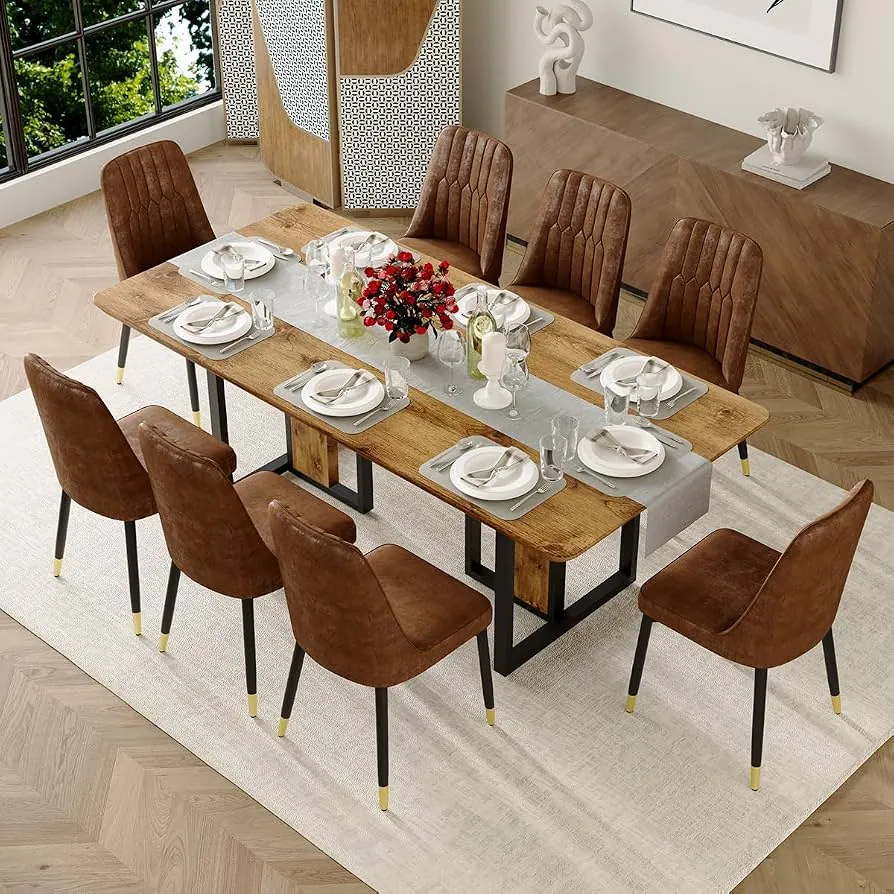
A good result features straight lines and even spacing between all items. If your forks or knives look crooked, the table will feel cluttered even if everything is clean. This usually happens because people rush the placement of the final items. You can prevent this by stepping back from the table to look at the overall symmetry before you call your guests to eat. If you notice an item is missing or out of place, move it slowly to avoid bumping the glass or spilling any items already set.
Rules and Aftercare Procedures
Follow the standard etiquette rule that the silverware is used from the outside in, as defined by the Emily Post Institute. After the meal is finished, clear the plates and glassware carefully to the kitchen, then shake out crumbs from the tablecloth or wipe down the placemats. Ensure you store your flatware in a dry, covered drawer to keep it free from dust. If you’re hosting a large party, consider using a checklist to ensure you have enough matching sets for every guest.
Alternative Table Setting Methods
The Casual Buffet
In this setup, you stack plates at the start of the food line. This saves space on the dining table, allowing guests more room for drinks and conversation while they eat.
The Family Style
Place large serving bowls directly on the table. This makes the setting feel warmer but requires more space for dishes, so use smaller individual place settings to keep the table from feeling crowded.
The Continental Style
This method places the dessert fork and spoon horizontally above the plate. It’s a space-saving technique that keeps the sides of the plate clear for extra wine or water glasses.
Frequently Asked questions
How far from the edge of the table should the plate be?
The plate should sit about 1 to 2 inches from the edge of the table. This provides enough space for guests to sit comfortably without hitting the edge of the table with their legs.
Should the knife blade face inward or outward?
The knife blade must always face inward toward the plate. This is a safety practice that prevents the sharp edge from being easily touched or accidentally moved during the meal.
How do I know which glass goes where?
Place the water glass directly above the dinner knife. If you’re serving multiple drinks, place the additional glasses to the right of the water glass in the order they will be used.
Is it safe to use decorative centerpieces?
Yes, but keep the centerpiece low enough that guests can see over it. A height of 10 inches or less is ideal to ensure clear lines of sight during conversation across the table.
How often should I polish my silverware?
You should polish your silverware once every few months or before special events. If you notice dark spots on the metal, use a mild silver polish to restore the shine before setting the table.
Conclusion
Setting a table is a simple skill that improves the experience for your guests and makes your meal feel more special. By keeping your lines straight and your items clean, you can create a professional look in just a few minutes.
Related guides