
Selecting the ideal dining table involves balancing your available square footage, the number of people you host, and the durability of the materials chosen for your lifestyle. A functional table acts as the heart of your home, requiring careful consideration of dimensions, shape, and construction quality to ensure it serves your household for years to come.
Key Takeaways
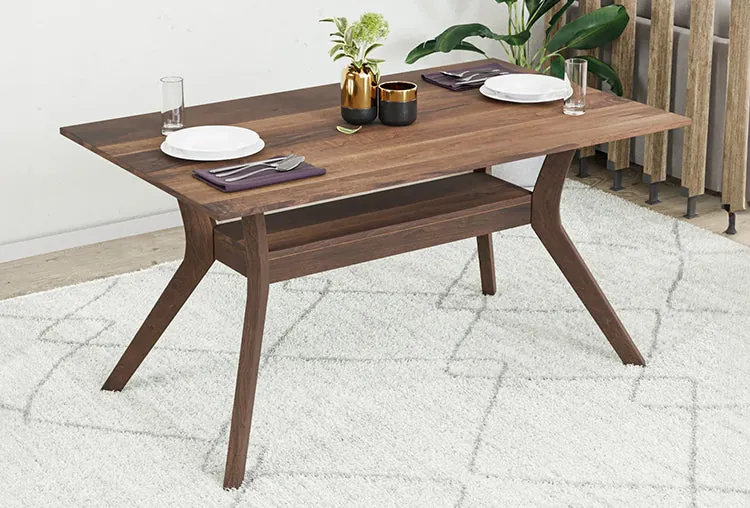
- Measure your dining area and subtract 36 inches from every side to ensure adequate chair clearance.
- Select a table shape that complements the geometry of your room to improve traffic flow.
- Prioritize solid wood or high-pressure laminate surfaces if your table will see heavy daily use.
- Account for the number of guests you host regularly versus occasional large gatherings.
- Verify the height of your table base to ensure it doesn’t interfere with seating.
How to Pick Dining Table Dimensions
The most critical step in your search is measuring the space. You must account for both the table footprint and the “clearance zone” required to pull chairs out comfortably. Aim for at least 30 inches of space between the edge of the table and the nearest wall or piece of furniture to allow guests to exit their seats without bumping into obstacles.
| Room Size | Recommended Table Shape | Optimal Seating Capacity |
|---|---|---|
| Small / Square | Round or Square | 2–4 People |
| Narrow / Rectangular | Rectangular with leaves | 4–8 People |
| Open Concept | Oval or Round | 6–10 People |
Choosing the Right Table Shape
The silhouette of your furniture dictates the social dynamic of your meals. Rectangular tables are the industry standard for formal dining rooms because they mirror the shape of the space. Conversely, round tables promote conversation because every guest faces the center, making them ideal for smaller groups or tight corners. Square tables work exceptionally well in square rooms but can feel awkward if they’re too large for the space, as they create dead zones at the corners.
Material Durability and Maintenance
Your lifestyle dictates the best material for your surface. If you have young children or use the table for crafts, avoid porous materials like unsealed marble or rustic reclaimed wood with deep grooves.
- Solid Hardwood: Oak, walnut, and cherry offer incredible longevity and can be refinished if damaged.
- Engineered Wood: High-pressure laminate or MDF with wood veneer is budget-friendly but harder to repair once the surface layer chips.
- Tempered Glass: Creates a sense of openness in small rooms but requires frequent cleaning to hide fingerprints.
- Metal: Provides an industrial aesthetic and is nearly indestructible, though it can feel cold to the touch.
Pro Tip: Considering Table Bases
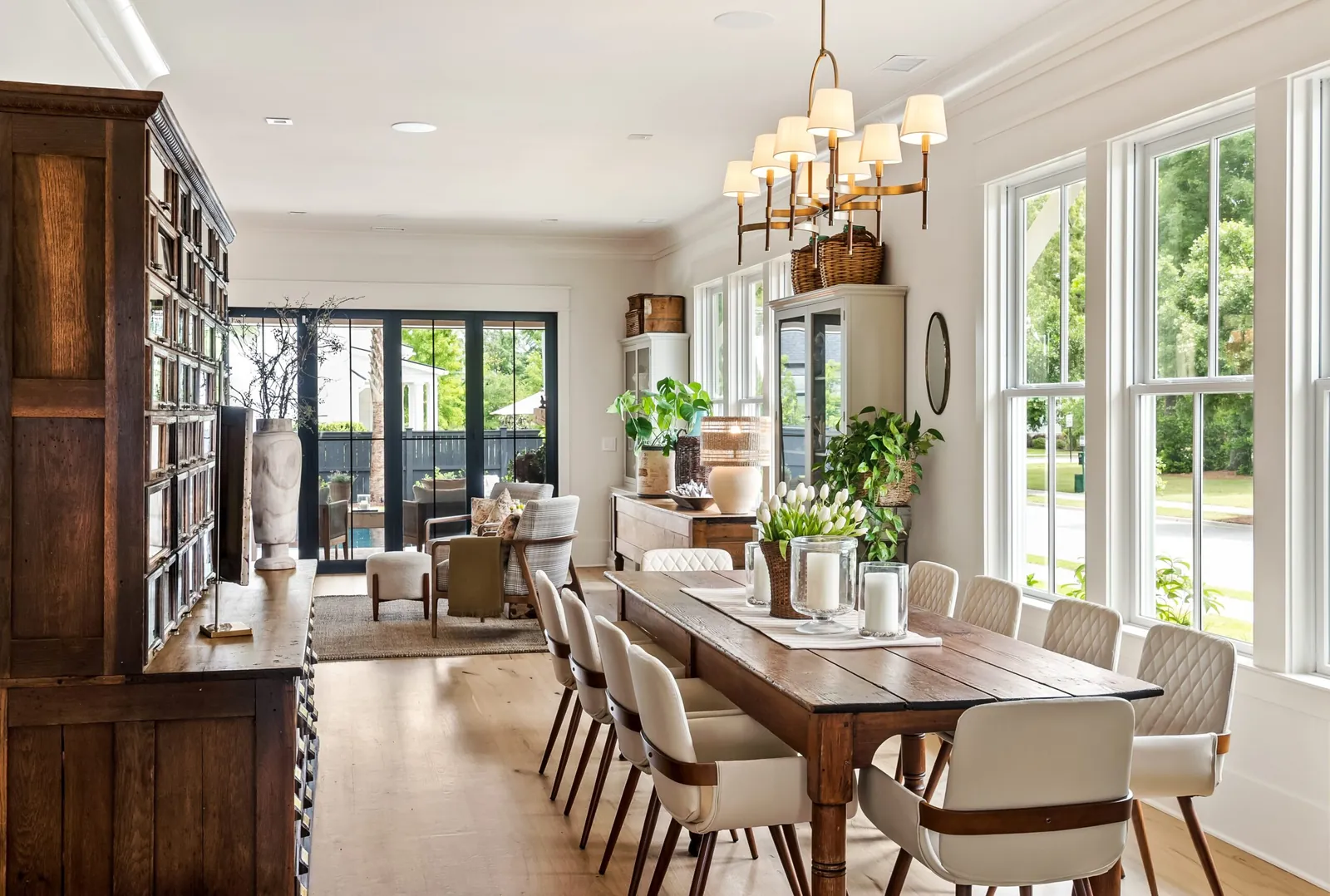
Pro Tip: Always check the base configuration before purchasing. Pedestal bases or trestle tables are far superior for maximizing legroom because they eliminate the interference of corner legs that often trap guests in tight seating arrangements.
How Much Does a Table Cost?
Pricing varies wildly based on materials, craftsmanship, and brand reputation. Expect to pay between $300 and $800 for basic entry-level pieces made from composite materials. Mid-range tables constructed from solid hardwoods or high-end veneers typically fall between $900 and $2,500. Luxury or custom-made artisanal tables can range from $3,000 to $10,000 or more, depending on the rarity of the wood species and the complexity of the joinery.
| Price Tier | Material Quality | Typical Durability |
|---|---|---|
| Budget ($300–$800) | Particle board, veneers | Low to Moderate |
| Mid-Range ($900–$2,500) | Solid wood, metal, glass | Moderate to High |
| Luxury ($3,000+) | Rare hardwoods, custom craft | Very High |
Identifying Quality Construction
A high-quality table should feel stable and rigid. When inspecting a floor model, lean on the edge to check for wobbling or lateral movement. Look for mortise and tenon joinery on the apron and legs, as this is significantly stronger than simple screw-and-glue construction. If the table includes an extension mechanism, test the slides to ensure they operate smoothly without binding or requiring excessive force to align the leaves.
Managing Seating Capacity
When calculating how many guests you can host, provide at least 24 inches of width per person. If you entertain frequently, look for expandable dining tables that feature self-storing leaves. These mechanisms allow you to keep a smaller footprint during the week while accommodating extra guests during holidays or celebrations.
Troubleshooting Common Fit Issues
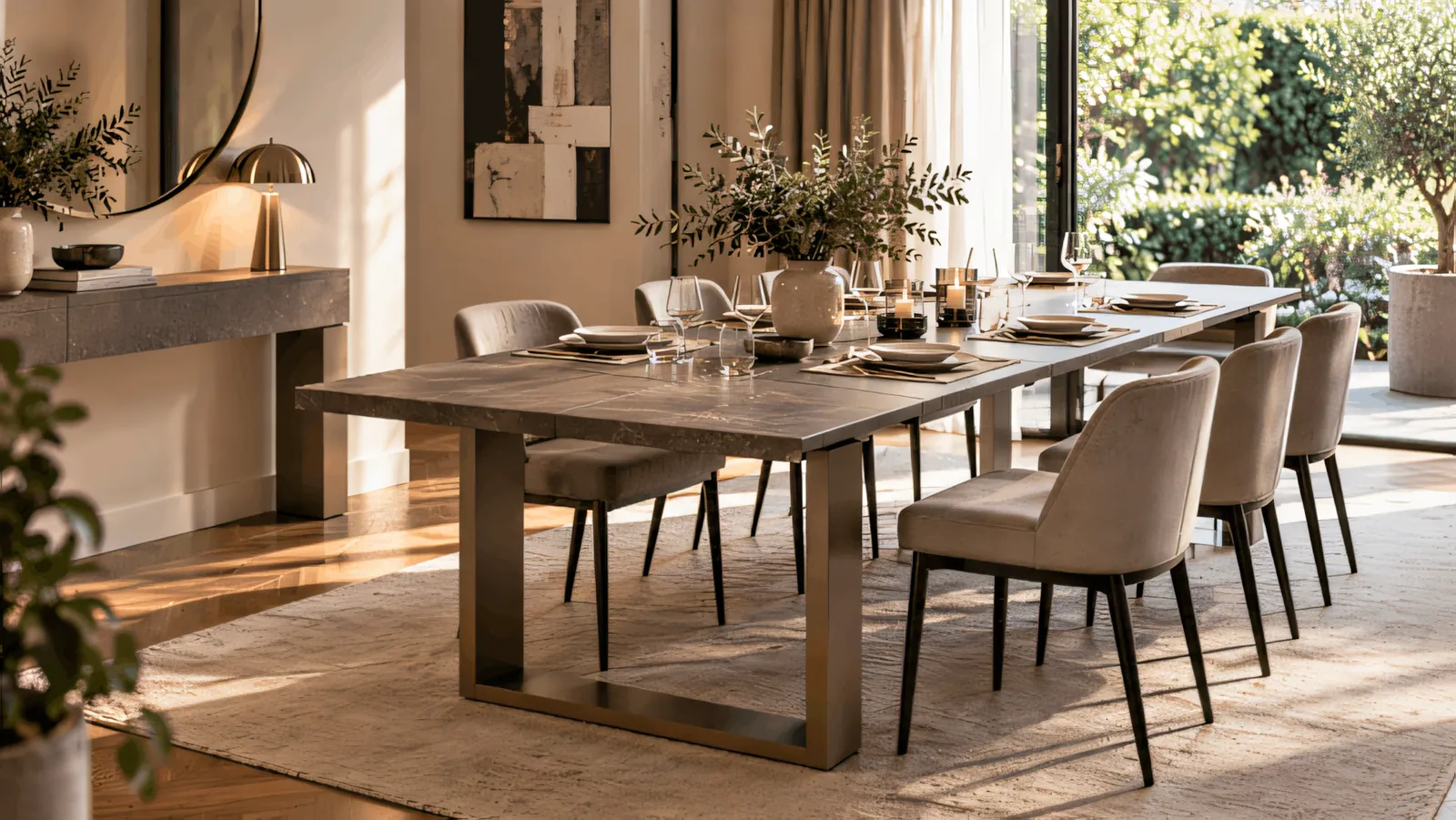
If your room feels cramped after adding a new table, consider swapping your bulky dining chairs for backless benches on one or both sides. Benches can be tucked completely under the table when not in use, effectively clearing the floor space. If the table is too wide for your room, consider a custom-cut piece or a narrow “harvest” style table that maintains a slim profile while offering generous seating length.
Frequently Asked Questions
How much space do I need around the table?
You should maintain at least 36 inches of clearance between the edge of the table and the wall or any other furniture. This distance provides enough room for someone to pull out a chair, sit down, and push the chair back in without hitting the wall. If you have a high-traffic walkway behind the chairs, increase this clearance to 48 inches to avoid blocking the path.
Should I choose a round or rectangular table?
Choose a rectangular table if your dining area is long and narrow, as it maximizes the available floor space while providing more seating for larger groups. Choose a round table if you have a square room or an open-concept area, as the lack of sharp corners improves traffic flow and allows for a more intimate, conversational seating arrangement for smaller groups.
How do I protect my table from heat?
Always use heat-resistant trivets or thick placemats when placing hot dishes directly on your table surface. Even durable finishes like polyurethane can suffer from “white rings” or bubbling if exposed to high heat for extended periods. Avoid placing hot pots or pans directly on the wood, as the thermal shock can damage the finish and potentially warp the wood fibers over time.
Is glass a good choice for families?
Glass tables are aesthetically pleasing, but they require significant maintenance. While they’re easy to wipe down, they show every fingerprint, smear, and dust particle, requiring daily cleaning. Furthermore, while tempered glass is designed to shatter into small, blunt pieces rather than sharp shards, it’s still prone to scratching and chipping if heavy objects are dragged across the surface during daily use.
What is the standard dining table height?
The standard height for a dining table is between 28 and 30 inches from the floor to the top of the surface. This height is designed to work with dining chairs that have a seat height of approximately 18 inches. Always measure your existing chairs or the chairs you intend to purchase to ensure you have roughly 10 to 12 inches of legroom between the seat and the table apron.
Conclusion
Start by measuring your room dimensions today to establish your maximum allowable footprint. Once you have those numbers, visit a reputable furniture showroom to test the comfort of various seat heights and table edges. Taking these measurements first will prevent the common mistake of buying a piece that looks beautiful in the store but overwhelms your home.