
You should measure your room and map out the traffic flow before you decide how to choose a sectional for your living space. The right choice depends on your floor plan, seating needs, and chaise orientation.
Understanding your layout
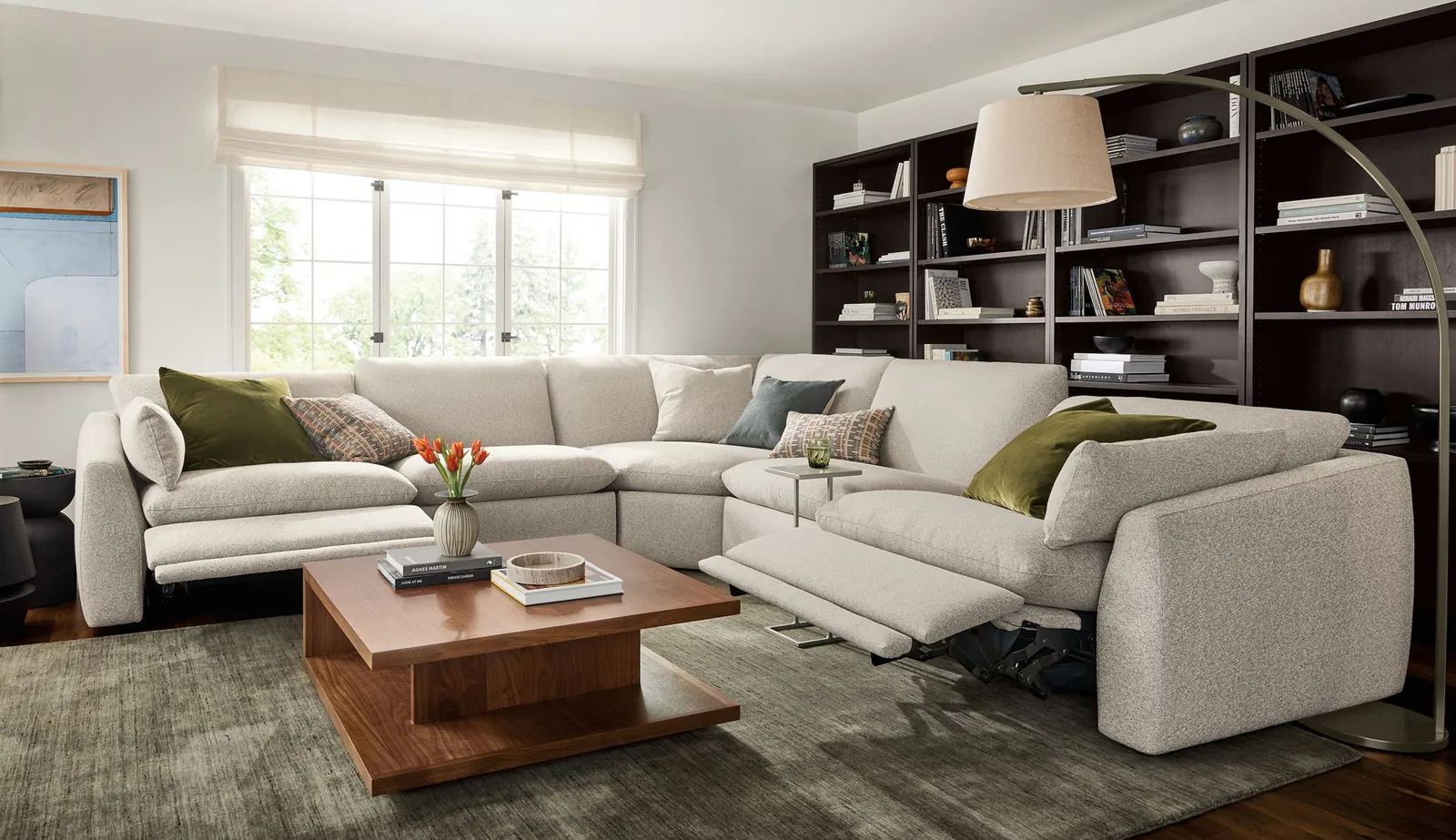
A sectional is a sofa made of multiple independent pieces that join together to form a single unit. It’s designed to maximize seating in large rooms or to create a cozy corner in smaller apartments. If your wall space is limited, you should focus on modular designs that allow you to rearrange the configuration as your needs change over time.
Steps to choose the right sectional
- Tape out the dimensions of the sofa on your floor using painter’s tape to see how it affects your walking paths.
- Choose a left-arm or right-arm configuration based on which side of the room the chaise will sit against.
- Check the clearance between the front edge of the sofa and your coffee table, aiming for at least 18 inches of space.
- Measure the width of your doorways and hallways to ensure the individual sections can fit through during delivery.
- Select a fabric type based on your lifestyle; for example, high-traffic homes benefit from performance textiles that resist stains and wear.
- Verify the seat depth and back height to ensure they match your comfort preferences and the scale of your existing furniture.
Decide between a fixed shape and a modular system. For fire safety, always check that the materials meet the U.S. Consumer Product Safety Commission standards for flame resistance.
Essential dimensions and settings
| Situation | What to use | How long | What to watch for |
|---|---|---|---|
| Small apartment | Modular 2-piece | 80-90 inches | Depth of frame |
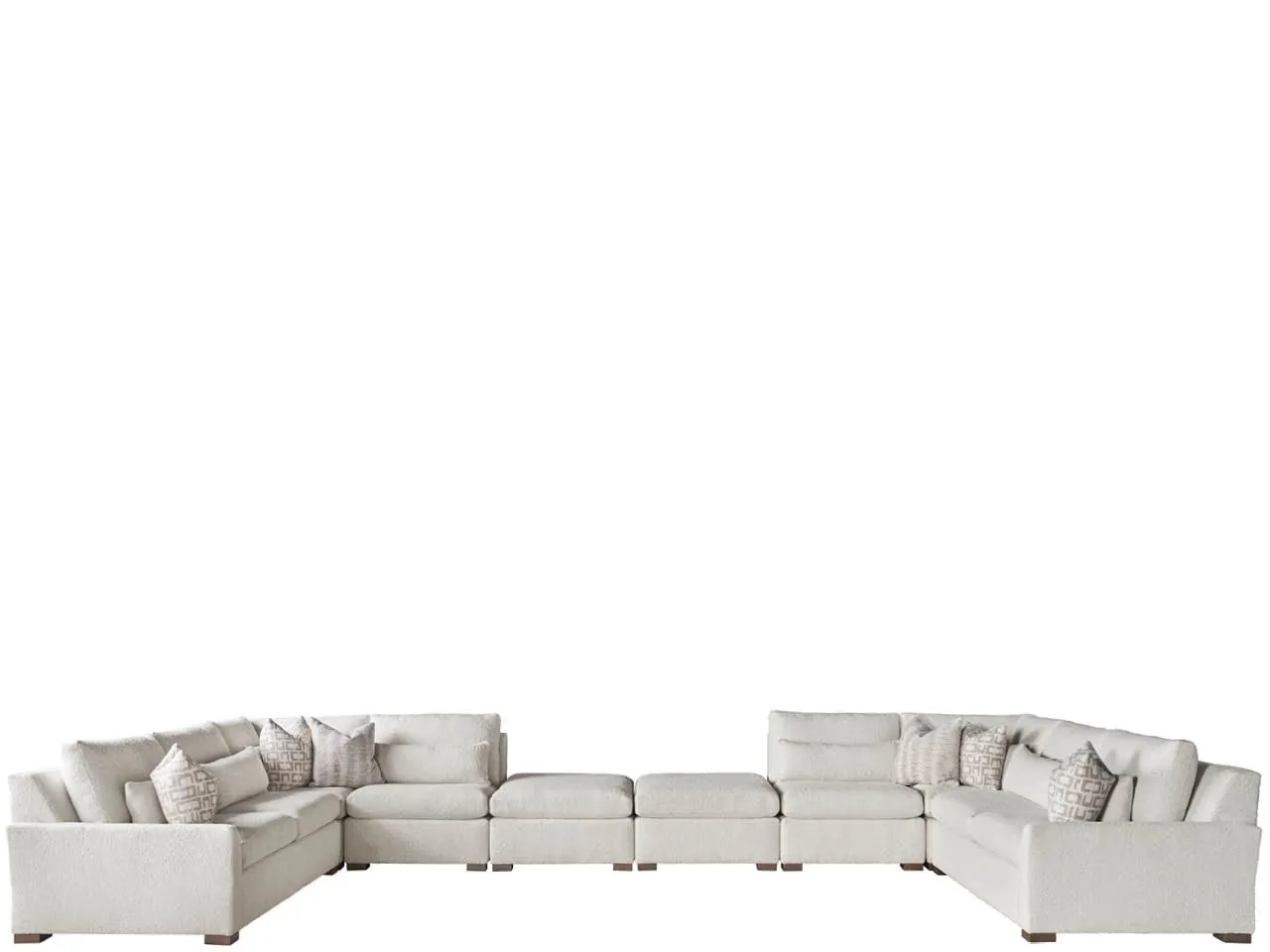
| Large family room | U-shaped unit | 120+ inches | Corner seat access |
| Narrow living room | Chaise sectional | 90-100 inches | Traffic path width |
| High-traffic home | Performance fabric | Lifetime | Fabric rub count |
| Occasional guests | Sleeper sectional | 70-80 inches | Mattress thickness |
Keys to a successful purchase
Experienced buyers look closely at the frame construction before they commit to a purchase. They know that a kiln-dried hardwood frame is more durable than one made from pine or particle board. When you test a floor model, sit in the corners and the middle sections to check for squeaks or sagging. If the frame flexes when you apply pressure, it will likely fail within a few years of regular use.
They also pay attention to the cushions. High-density foam wrapped in fiber or down provides the best balance of comfort and shape retention. Soft cushions look messy after a few months. Ask if cushion covers are removable for easier cleaning.
Common problems and fixes
| What you notice | What it usually means | What to do first |
|---|---|---|
| Sections sliding apart | Missing connectors | Install metal locking clips |
| Cushion sagging | Low-density foam | Flip and rotate cushions |
| Fabric pilling | Natural fiber friction | Use a fabric shaver |
| Wobbling frame | Uneven flooring | Use adjustable leveler feet |
Rules for placement and use
Local building and fire codes sometimes dictate the distance furniture must be from heat sources like radiators or fireplaces. Maintain at least 12 inches between upholstery and heat sources to prevent damage. Use UV-blocking curtains to prevent sun fading.
Care and long-term maintenance
Once your new furniture is in place, regular care keeps it looking new. Vacuum the crevices weekly to remove dust and crumbs that can wear down the fabric fibers from the inside. Blot spills immediately with a clean cloth to avoid pushing stains deeper. Most manufacturers recommend professional cleaning every 18 to 24 months to deep-clean the upholstery and refresh the foam support system.
When to choose a different approach

If your room has multiple focal points, a sectional might block your flow. In these cases, a sofa paired with two armchairs is often a better choice. Individual seating pieces provide more flexibility for large groups than a corner unit.
Frequently asked questions
Can a sectional fit in a small room?
Yes, a small sectional can fit in a compact room if you choose a model with a narrow track arm and a footprint that doesn’t block essential walkways or doors.
How long should a good sectional last?
A high-quality sectional with a hardwood frame and durable fabric typically lasts for a significant period with regular maintenance, though the cushions may need refreshing after 5 years.
Is it safe to buy a used sectional?
No, it isn’t recommended because you can’t verify the internal frame condition, cleanliness, or potential for hidden pests like bedbugs that are difficult to remove from deep upholstery.
How do I join sectional pieces together?
You can join them using the metal alligator-style clips or sliding brackets provided by the manufacturer, which lock the sections together when you push them into the correct position.
What happens if I lose the sectional connectors?
You can order replacement universal sectional connectors from most hardware stores or the manufacturer, which usually screw into the frame to keep the pieces from sliding apart.
How much space do I need for a sectional?
You need at least 30 inches of clearance around the sofa to allow for comfortable walking, plus enough room to avoid blocking any windows or architectural features in the room.
Conclusion
The way you balance your available floor space with your seating needs is the final step in making your living area comfortable. Take your time to measure twice before you buy, and you’ll enjoy your new furniture for many years to come.
Related guides