
Purchasing a sectional sofa involves balancing your floor plan, fabric durability, and seating capacity to ensure the piece serves your home for years. A quality sectional typically costs between $1,200 and $6,000, depending on the frame construction, upholstery material, and modular complexity. By measuring your space precisely and understanding standard configurations, you can avoid common pitfalls like blocked walkways or disproportionate furniture that overwhelms a room.
Key Takeaways
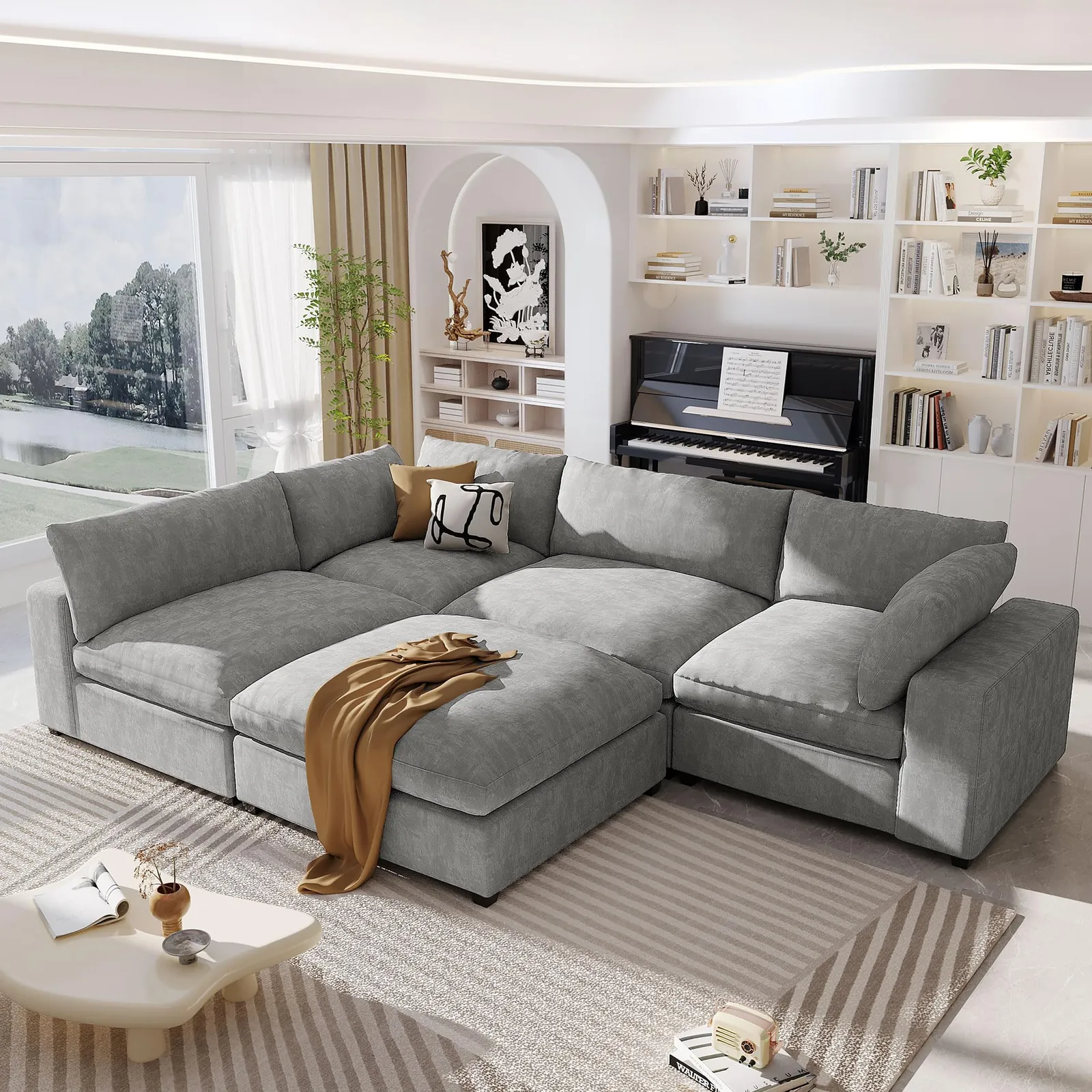
- Always measure your doorways and hallways to ensure the sectional pieces will fit through during delivery.
- Choose performance fabrics if you have pets or children to maintain the longevity of the upholstery.
- Determine your preferred orientation—left-arm facing or right-arm facing—before placing your final order.
- Check the frame material; kiln-dried hardwood is the industry gold standard for long-term structural integrity.
- Prioritize seat depth and back height based on your personal comfort preferences and room size.
How To Buy A Sectional Sofa
Selecting the right sectional begins with the floor plan. You must account for traffic flow, ensuring that people can walk around the sofa without bumping into coffee tables or sideboards. Mark the footprint of your desired sectional on your floor using painter’s tape to visualize how it interacts with other furniture.
Standard Sofa Configurations
| Configuration | Best For | Footprint |
|---|---|---|
| L-Shaped | Corners and open-concept rooms | Moderate |
| U-Shaped | Large families and media rooms | High |
| Chaise | Small apartments and cozy nooks | Low |
| Modular | Flexible, changing living spaces | Variable |
Evaluating Frame And Cushion Quality
The internal structure is what dictates the lifespan of your investment. A high-quality frame is usually constructed from kiln-dried hardwood, which prevents warping and splitting over time. Avoid particleboard or softwoods, as these materials lack the necessary density to withstand years of daily use.
Cushion Fill Types
- High-density foam: Provides firm, consistent support that holds its shape well.
- Down-blend: Offers a luxurious, sink-in feeling but requires regular fluffing.
- Fiber-fill: A budget-friendly option that tends to lose loft quickly.
Pro Tip: Look for “eight-way hand-tied” springs or high-quality sinuous springs, as these provide superior weight distribution and prevent sagging in the middle of the cushions.
Choosing The Right Upholstery
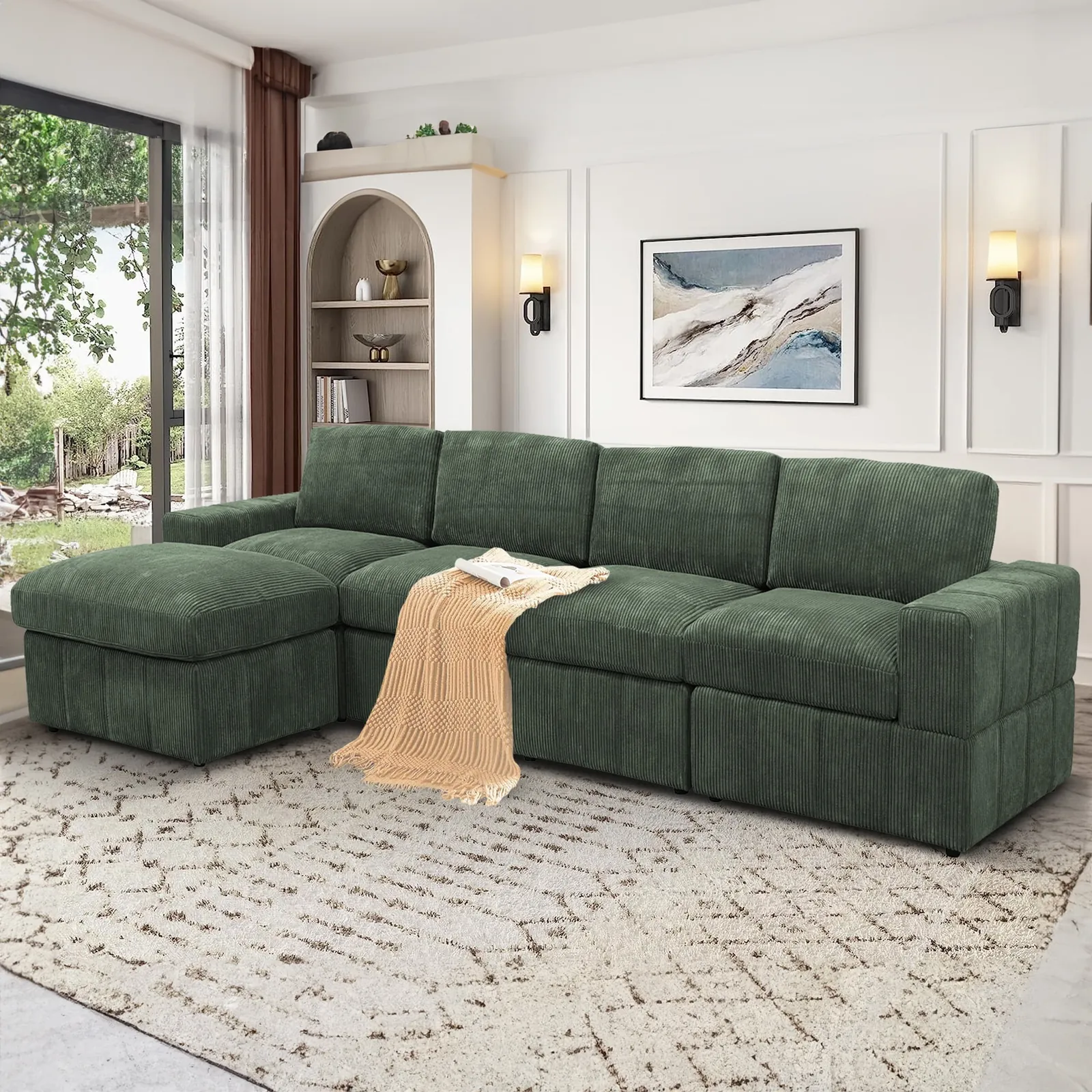
Your fabric choice should align with your lifestyle. High-traffic households benefit from synthetic performance fabrics, which are engineered to resist stains and fading. Natural fibers like linen or velvet offer elegance but often require professional cleaning and are less forgiving with spills.
Measuring Your Space Correctly
Before buying, measure the length, width, and depth of the intended area. More importantly, measure the clearance of your entryways. Even if a sectional fits in your living room, it’s useless if it can’t pass through your front door or navigate a tight hallway turn.
| Measurement Point | Why It Matters |
|---|---|
| Doorway Width | Prevents delivery refusal |
| Hallway Turn | Allows for sofa maneuvering |
| Ceiling Height | Balances visual weight |
| Clearance Space | Maintains traffic flow |
Is A Modular Sectional Better?
Modular sectionals consist of individual pieces that can be rearranged or expanded as your needs change. If you plan on moving frequently or enjoy reconfiguring your layout, these offer unmatched flexibility. However, they can sometimes feel less stable than a solid, non-modular unit, and the visible seams between pieces may bother those who prefer a sleek, unified aesthetic.
Identifying Your Preferred Orientation
Sectionals are often labeled as Left-Arm Facing (LAF) or Right-Arm Facing (RAF). To determine which one you need, stand in front of the sofa and look at it. If the chaise or extended portion is on your left, it’s an LAF model. Choosing the wrong orientation is a frequent error that can make a room feel cramped or block a natural focal point like a fireplace or window.
Warning: Verify the orientation description carefully on the retailer’s website, as some manufacturers define “left” from the perspective of someone sitting on the sofa rather than looking at it.
Budgeting For Your New Sofa
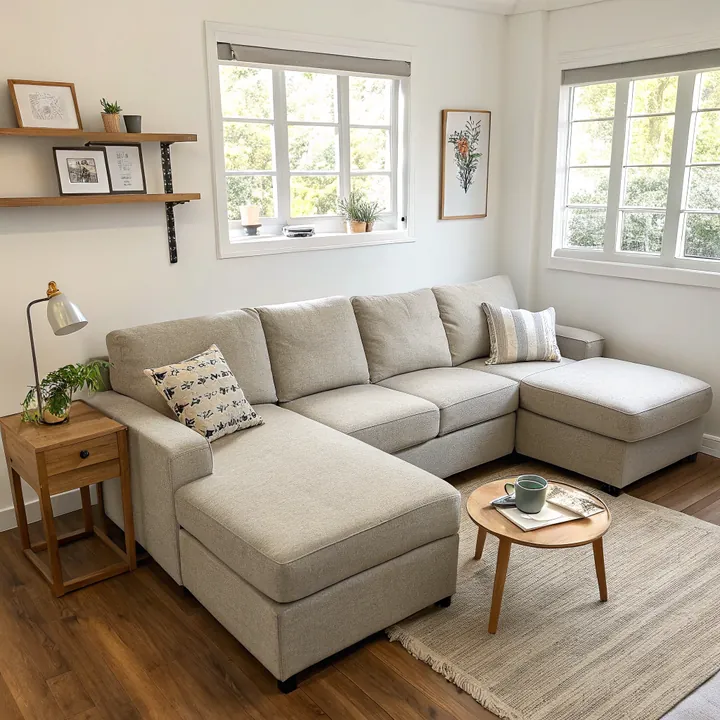
While entry-level sectionals start around $1,200, these often use budget materials that may need replacing within three to five years. Mid-range options between $2,500 and $4,500 generally offer better spring systems and more durable upholstery. High-end custom pieces exceeding $6,000 provide premium materials, bespoke fabric choices, and superior craftsmanship that can last for decades.
Related guides
Frequently Asked Questions
What is the ideal seat depth?
Standard seat depths usually range from 21 to 23 inches, which suits most people. If you’re tall or prefer lounging, look for deep-seated models at 25 inches or more. If you have limited space or prefer upright posture, a shallower depth is better.
How do I clean a sectional?
Check the manufacturer’s cleaning code tag. Codes like “W” indicate water-based cleaners are safe, while “S” requires solvent-based cleaners. Always vacuum beneath the cushions regularly to prevent debris from wearing down the inner frame and fabric fibers.
How long should a sectional last?
A well-constructed sectional with a hardwood frame and quality upholstery should last between seven and fifteen years. Budget-friendly models typically show signs of wear, such as sagging cushions or frayed seams, within three to five years.
Can I replace individual cushions?
Most manufacturers offer replacement cushions if the frame remains in good condition. However, check if the fabric is still in production, as dye lots vary significantly between batches, and a new cushion may look slightly different from the rest of the sofa.
Should I buy a sectional online?
Buying online is convenient, but you lose the ability to test the firmness and depth in person. If you shop online, always order fabric swatches first to check the color in your home’s lighting and read detailed specification sheets regarding frame materials.
Investing in a sectional requires patience and attention to detail regarding your home’s unique dimensions and your family’s daily habits. By verifying the frame quality, choosing a fabric that matches your lifestyle, and confirming the orientation, you’ll secure a piece that anchors your living space perfectly. Start by measuring your room today to narrow down the viable sizes.