
Selecting a desk that complements your home’s decor requires balancing physical dimensions with the existing visual language of your living space. By analyzing your room’s dominant materials, color palette, and architectural style, you can transform a functional workspace into a cohesive design element. Whether your home leans toward minimalist Scandinavian lines or ornate Victorian charm, the right furniture piece should feel like an intentional addition rather than an afterthought.
Key Takeaways

- Match your desk material to the existing wood tones or metal finishes in the room.
- Prioritize ergonomic height to prevent long-term physical strain during daily use.
- Use negative space around the desk to prevent the room from feeling cramped.
- Select a silhouette that mirrors the legs of your nearby chairs or tables.
- Consider multi-functional pieces if your office shares space with a bedroom.
How to Select a Desk That Complements My Home’s Decor
Choosing the perfect desk starts with identifying the “anchor” of your room. If your space features heavy, dark oak flooring, a light glass desk might look disconnected, whereas a matching walnut piece will ground the area. Consider the visual weight of your furniture; a desk with thick, blocky legs commands attention, while a wall-mounted or floating desk creates an airy, open feeling.
Evaluating Your Architectural Style
Before purchasing, categorize your home into a specific design language. Modern homes benefit from sleek, industrial materials like powder-coated steel and tempered glass. Traditional interiors demand richer textures, such as mahogany, cherry wood, or brass hardware. If you live in a mid-century modern home, look for tapered wooden legs and organic, curved edges that echo the iconic furniture of that era.
| Style Category | Preferred Materials | Typical Leg Profile |
|---|---|---|
| Industrial | Steel, Reclaimed Wood | Angular, Exposed Bolts |
| Scandinavian | Light Oak, White Laminate | Tapered, Minimalist |
| Traditional | Mahogany, Cherry, Brass | Turned, Ornate, Solid |
| Contemporary | Glass, Acrylic, Chrome | Geometric, Floating |
What Is the Ideal Desk Size?
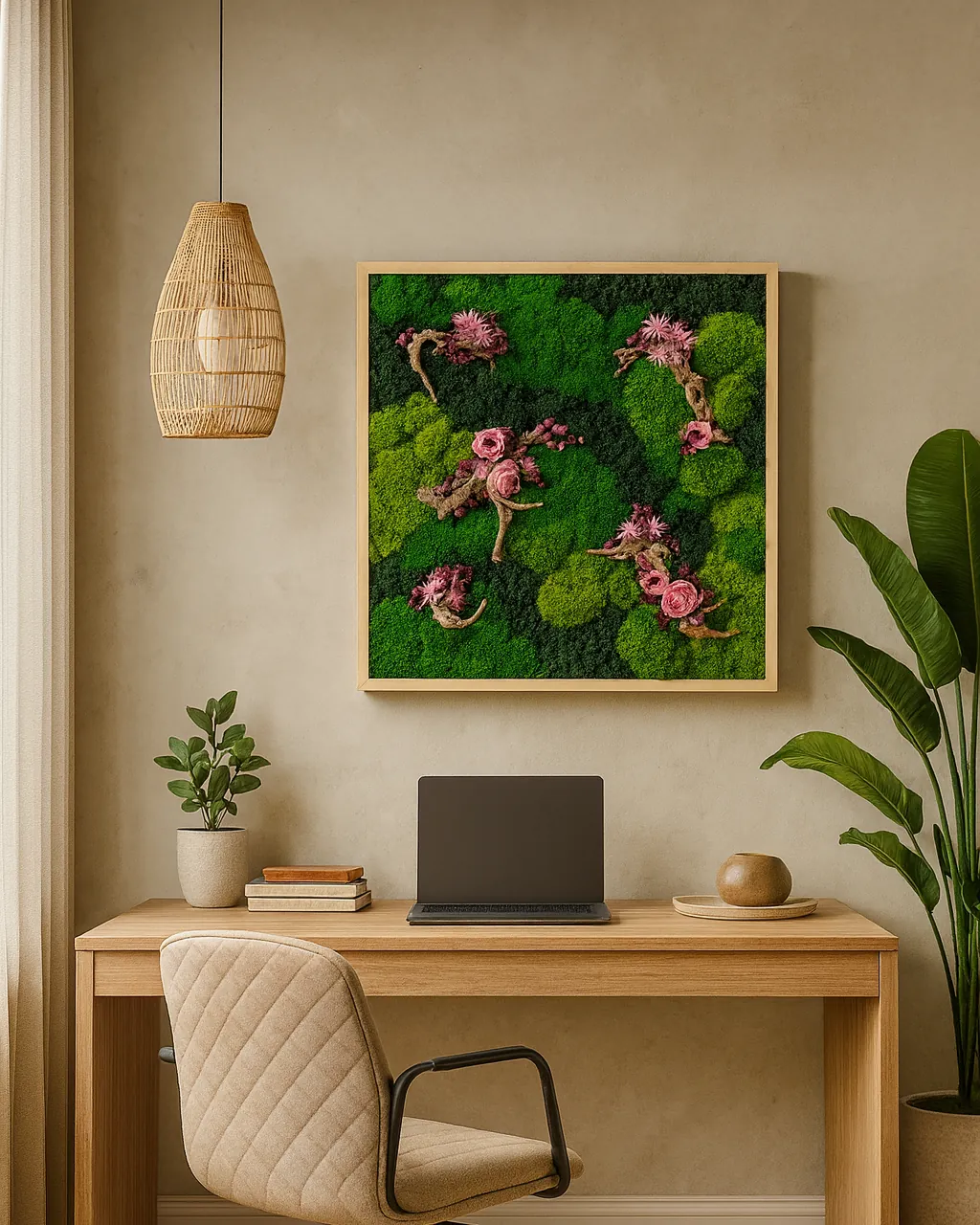
Pro Tip: Measure your floor space twice before browsing to ensure you leave at least thirty inches of clearance behind the chair for movement. A desk that’s too large will dominate a room, making it feel smaller and cluttered, while one that’s too small can look like a lonely island in a sea of carpet. Always ensure your setup complies with the ANSI/HFES 100-2007 Human Factors Engineering guidelines for office workstation heights to maintain proper posture.
Integrating Color and Texture
Your desk doesn’t need to match every other piece of furniture, but it must share a common thread. If your living room has a neutral gray sofa, a desk with a cool-toned slate or white finish will blend seamlessly. Alternatively, use your desk as a statement piece by introducing a contrasting color, such as a navy blue or matte black finish, provided the hardware matches the existing metal accents in the room.
Balancing Function and Aesthetics
If your desk sits in a high-traffic area, prioritize cord management features to maintain a tidy appearance. Visible wires are the quickest way to ruin a sophisticated decor scheme. Look for desks with built-in grommets or rear-facing trays that hide power strips and chargers, ensuring the beauty of your furniture remains the primary focus.
Should I Choose Wood or Metal?
The choice between wood and metal often depends on the “temperature” of your room. Wood brings warmth and organic texture, making it ideal for bedrooms or cozy home libraries. Metal, conversely, adds a crisp, clinical, or edgy vibe that works exceptionally well in lofts or dedicated home offices.
- Wood Options: Solid oak, walnut veneer, bamboo, acacia.
- Metal Options: Powder-coated steel, brushed aluminum, matte iron.
Troubleshooting Your Desk Layout
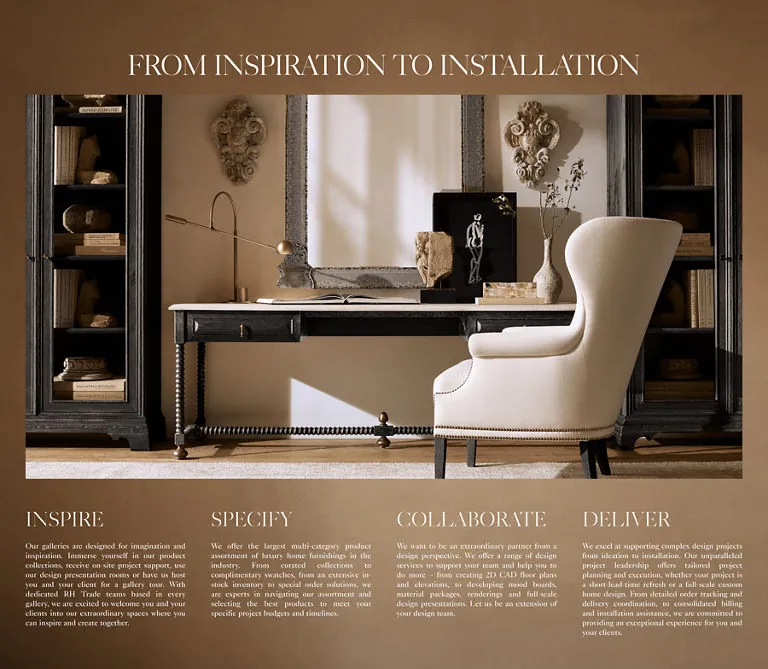
If your desk feels “off” after placement, it’s likely due to a lack of surrounding balance. Try these adjustments:
- Add a large area rug beneath the desk to define the workspace.
- Place a floor lamp nearby to bridge the height gap between the desk and the wall.
- Use wall art above the desk to draw the eye upward and create a focal point.
Warning: Avoid placing your desk directly in front of a window if the backlight causes glare on your screen, as this forces you to squint and ruins the comfort of your workspace.
Related guides
- My Honest Review: Standing Desk – 2026 Guide
- My Honest Review: Standing Desk – 2026 Guide
- My Honest Review: Standing Desk – 2026 Guide
Frequently Asked Questions
How can I make a desk look less like an office?
Choose a desk that doubles as a console table, such as those with slim drawers or a writing-desk profile. By opting for a piece without bulky pedestals or oversized filing cabinets, you can style it with a lamp, books, and a decorative tray, making it feel like a piece of living room furniture rather than a corporate station.
Does the desk need to match my floor color?
It doesn’t need to match perfectly, but it should harmonize. If your floor is dark, a medium-tone wood desk creates a nice contrast. If your floor is light, you can go darker with the desk to create a focal point. Avoid mixing too many different wood species, as this can make the room look chaotic rather than curated.
How do I style a desk in a bedroom?
Use the desk as a vanity or nightstand hybrid. By placing a mirror above the desk and using a stylish, upholstered chair instead of a standard office chair, you integrate the workspace into the bedroom’s function. Keep electronics hidden in drawers when not in use to ensure the room remains a place for rest rather than just productivity.
What is the best desk for small spaces?
A wall-mounted “floating” desk is excellent for small spaces because it clears the floor, making the room feel larger. Alternatively, look for a ladder desk that utilizes vertical space, providing shelving above the work surface. These options keep your footprint small while still offering enough surface area for a laptop and a few essential accessories.
Should I buy a standing desk for my decor?
Standing desks have become more stylish, with many models offering bamboo tops or sleek, slim frames that mimic traditional furniture. If you need the health benefits of standing, prioritize a model with a hidden motor and a clean, minimalist aesthetic. This ensures you get the utility of an ergonomic workstation without sacrificing the visual integrity of your home’s decor.
Refining your home environment involves thoughtful selection rather than impulsive shopping. Take your time to measure your space, identify your preferred material palette, and prioritize ergonomics to ensure long-term comfort. Your next step is to clear the intended area completely, apply painter’s tape to the floor to visualize the footprint, and shop for pieces that align with those exact dimensions.