
To find the best piece for your home, you must measure your room’s floor space and your doorways before you decide how to buy a sofa that fits your lifestyle. Your final choice depends on your budget, the fabric durability you need, and whether you prefer firm or soft cushioning.
Choosing the right furniture for your needs
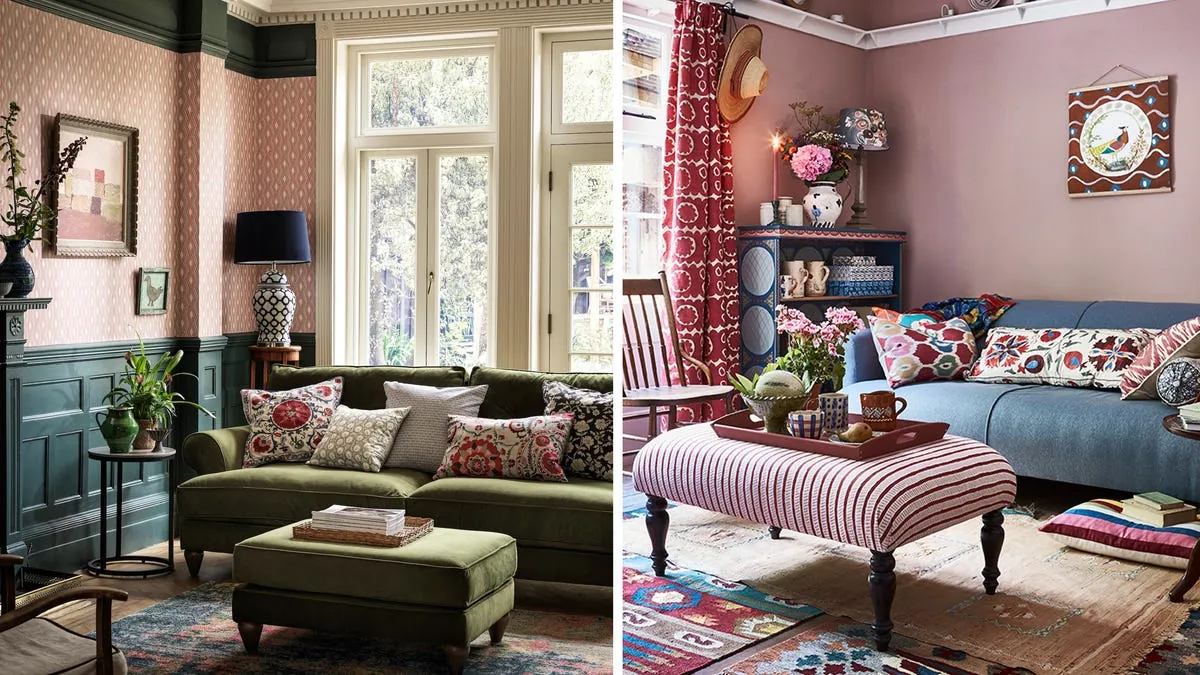
Most people buying a new couch have one of two goals: they want a centerpiece for a formal living room or a durable spot for daily family use. If you have pets or small children, you need high-durability fabrics like microfiber or treated leather. If you’re furnishing a small apartment, you must prioritize pieces with slim arms and exposed legs to make the room look larger.
Factors that change your final choice
Room layout is the first thing to consider, as it dictates the maximum length and depth of the piece.
Frame material is the second factor. Check frame quality by lifting a corner; if it twists, it’s poorly built.
Fabric choice matters most for maintenance. Always check the “double rub” count, which measures fabric durability.
Steps to buy your new sofa
- Measure the width, depth, and height of your intended space, then subtract at least 6 inches from each side to keep the room from feeling cramped.
- Measure your doorway and hallway widths; if your space is under 30 inches wide, you must look for “apartment-sized” models or modular designs.
- Check the frame by shaking the piece firmly; it shouldn’t wobble or creak, as movement indicates weak joints or staples that will fail.
- Sit on the piece for at least 5 minutes to test the support; your feet should touch the floor comfortably, and the back should support your spine.
- Inspect the fabric seams to ensure they’re straight and tight; loose threads or uneven gaps are signs of poor manufacturing.
- Verify the warranty terms, focusing specifically on what the manufacturer covers regarding the frame and the internal springs.
- Confirm the delivery path one last time, ensuring that stairwells or tight turns won’t block the piece from entering your home.
The judgement call that separates a quality purchase from a mistake is the “sit test.” If the cushions feel bottomed out or the frame flexes when you shift your weight, the piece won’t survive daily use. If you require specialized medical support, consult a physical therapist before choosing your seat depth.
Sofa types and requirements at a glance
| Situation | Best Choice | Primary Trade-off | Watch for |
|---|---|---|---|
| Small apartment | Loveseat | Limited seating | Tight doorways |
| Family room | Sectional | Large footprint | Fabric durability |
| Formal space | Chesterfield | Lower comfort | Frame quality |
| Guest room | Sleeper | Heavy weight | Mechanism ease |
| Daily lounging | Deep seat | Room space | Foam density |
What separates quality from poor construction
Frame and support integrity
Look for corner-blocked frames, which use extra wood at joints to prevent shifting. Check the Consumer Product Safety Commission guidance on fire safety standards to ensure the internal foam meets current requirements. A quality piece will feel heavy because it uses solid wood rather than light particleboard or plastic components.
Cushioning and fabric quality
Look for high-density polyurethane foam, which is firm to the touch and returns to its shape quickly after you stand up. Look for removable cushion covers for easier cleaning or replacement.
Troubleshooting common issues

| What you notice | What it means | What to do first | Prevent it again |
|---|---|---|---|
| Creaking noise | Loose joint | Tighten bolts | Check frame wood |
| Sagging middle | Failed springs | Add support board | Buy denser foam |
| Fabric pilling | Low-grade fiber | Use fabric shaver | Choose tight weave |
| Stiff mechanism | Misalignment | Lubricate hinges | Test before buying |
| Odor issues | Chemical off-gassing | Air out room | Choose natural fiber |
Standards and legal rules
ASTM International provides benchmarks for structural integrity and material testing. Reputable manufacturers follow these to ensure the piece doesn’t collapse. If you’re buying a used piece, check for local regulations regarding bed bugs and sanitation, as some states require specific tags to be present.
Understanding the real costs
The true cost includes the purchase price, delivery fees, and professional cleaning. Lower costs by waiting for holiday sales or choosing stock colors. Always ask if the delivery fee includes assembly, as some companies charge extra to move the piece into your living room and remove the packaging.
Keeping your furniture in top shape
Rotate cushions regularly to ensure even wear. If the fabric looks dull, steam clean it according to the manual. When the springs begin to feel uneven or the fabric shows signs of thinning, it’s usually time to consider a professional upholstery repair or a replacement.
When to avoid this approach
If you need a piece of furniture for a temporary stay of less than 6 months, buying new is the wrong choice; consider renting or buying used instead. If you require a custom size for an oddly shaped room, don’t try to modify a store-bought piece yourself, as this will void the warranty and likely weaken the frame.
Frequently asked questions

How long should a good sofa last?
A high-quality piece should last for a long duration, assuming it features a solid hardwood frame and high-density foam cushions that are rotated regularly.
Is it safe to buy a sofa online?
It’s safe if you have already measured your room and doorways, and if the retailer provides a clear return policy that includes picking up the item.
How much should I spend on a decent sofa?
You should expect to spend an amount that’s inexpensive relative to the alternative for a durable, well-constructed model that will provide support and comfort for a long period of use.
Why do some sofas sag so quickly?
Sagging usually happens because the cushion foam has a low density or the spring system uses thin wire that can’t support the weight of the users over time.
How often should I clean the fabric?
You should vacuum the surface every 2 to 4 weeks to remove debris, and schedule a professional cleaning once a year to prevent deep-set stains and wear.
Does the fabric type really matter?
The fabric type is the most important factor for longevity, as tightly woven synthetic blends or treated leathers resist tearing and staining much better than loose-weave cotton.
Measure your room and door path before shopping.
Conclusion
Once you’ve settled on the perfect design, don’t rush the delivery process. Clear a path through your hallway so the movers can get it inside without any trouble. You’ll be relaxing on your new furniture in no time, and you’re going to love how it transforms your living room’s entire feel.
Related guides