
Adding light-colored textiles like throw pillows, blankets, and rugs creates a high-contrast look that brightens up a brown couch.
Brightening Up Your Brown Couch

A brown couch acts as a neutral base, but it can often make a living room feel dark or heavy. Brightening it’s about changing the visual weight of the space using accessories. This process is for anyone who has a solid-colored brown sofa and wants a lighter, more modern aesthetic.
One common mistake is adding pillows that match the brown tone too closely, which makes the couch look muddy. Keeping textiles clean is vital for your health, so ensure all new fabric covers are easy to wash or maintain.
Steps for Adding Contrast
- Clear the couch of all old pillows and blankets to see the base color clearly.
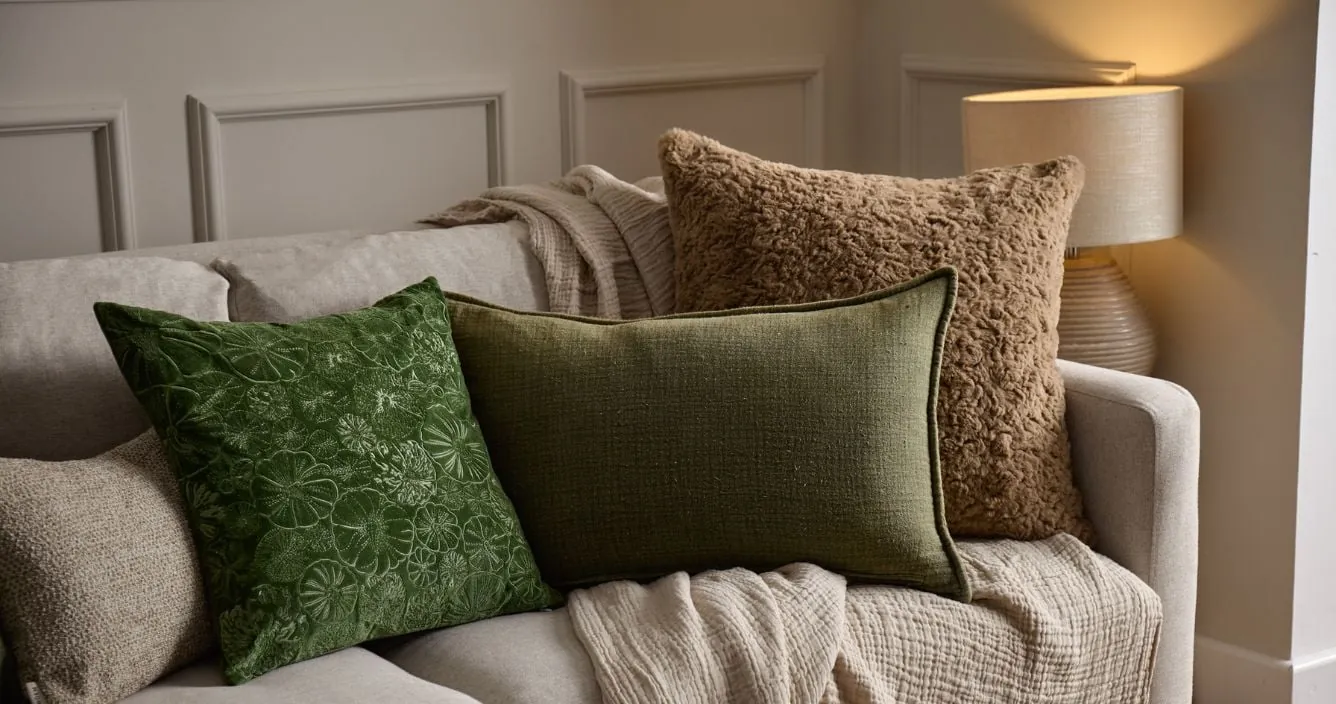
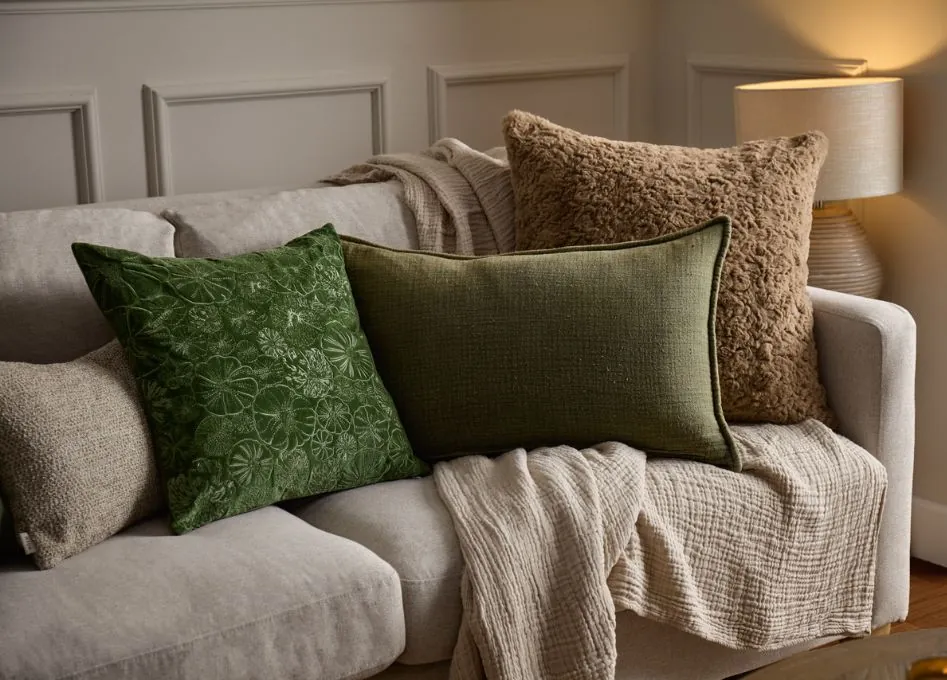
- Select two or three large throw pillows in light colors like cream, soft beige, or pale sage.
- Place a textured, light-colored throw blanket draped over one arm of the couch to break up the dark surface.
- Add a secondary layer of smaller, patterned pillows that contain both brown and a lighter shade to bridge the color gap.
- Place a light-colored rug, such as jute or off-white wool, directly in front of the couch to reflect more light upward.
- Adjust the natural light in the room by using sheer curtains to allow more sun to hit the fabric.
The secret is the balance of textures. If you use only smooth fabrics, the couch will look flat. If you mix knits, linen, and cotton, the light reflects differently off each surface, making the brown feel like a deliberate, cozy choice rather than a dark void.
Quick Reference for Styling
| Situation | What to use | How long | What to watch for |
|---|---|---|---|
| Dark room | Cream pillows | 10 minutes | Fabric stains |
| Modern look | White linen | 5 minutes | Wrinkle levels |
| Cozy feel | Chunky knits | 15 minutes | Excessive heat |
| Summer refresh | Cotton covers | 20 minutes | Fading colors |
| Pet owners | Washable canvas | 30 minutes | Fur buildup |
Details That Change Everything
Experienced stylists focus on the “rule of three” when arranging pillows. They group items in odd numbers to create visual interest that draws the eye away from the heavy brown base. If you place pillows in pairs, the couch looks formal and stiff; using three or five items makes the furniture feel lived-in and inviting.
They also pay attention to the scale of the patterns. A large print on a throw blanket works best when paired with solid-colored pillows. If you mix too many competing patterns, the couch becomes a distraction rather than a focal point. Always check the light in your room at different times of the day, as brown fabric shifts tone significantly from morning to evening.
Solving Common Styling Issues
| What you notice | What it usually means | What to do first |
|---|---|---|
| Couch looks dirty | Color clash | Swap to lighter accents |
| Room feels cold | Wrong texture | Add a knit throw |
| Cluttered feel | Too many pillows | Remove two pieces |
| Faded fabric | Sun damage | Move the couch slightly |
Guidelines for Textile Maintenance
Always check the care labels on your new pillows and throws before finalizing your setup. The Federal Trade Commission requires manufacturers to provide clear instructions on how to clean these items safely. If you’re using vintage or delicate fabrics, avoid placing them in high-traffic areas where they might snag or collect dust. For households with small children or pets, choose removable covers with zippers, as these can be machine-washed when they inevitably pick up dirt.
Keeping Your Look Fresh
To keep your couch looking bright, rotate your throw pillows every few months to prevent uneven wear or sun fading on the sofa fabric. If you notice the brown color starting to look dull, take the pillows outside and shake them out to remove trapped dust. When the fabric feels stiff, a light vacuuming with an upholstery attachment will restore the pile. These simple habits ensure your living room stays inviting without needing a complete design overhaul.
Choosing Alternative Approaches
If your couch is torn or the fabric is badly worn, pillows won’t hide the damage. In these cases, a fitted slipcover is a better choice to change the color entirely. If the frame itself is sagging, no amount of styling will make it look good. You should consider professional upholstery repair or replacing the sofa if the structural integrity is compromised, as aesthetics can’t fix a broken couch.
Frequently Asked Questions
Can I use white pillows on a brown couch?
Yes, white pillows provide the strongest contrast and will immediately brighten the look of a brown couch. Use different textures like velvet or linen to keep the white from looking too stark.
How many pillows should I use?
Three to five pillows is the ideal range for a standard-sized couch. This amount provides enough color and texture to lighten the brown without making it hard to sit down.
Is it safe to bleach fabric covers?
No, never use bleach on colored couch covers or decorative pillows. It will cause permanent yellowing or spotty fading that you can’t fix, so always use a mild detergent instead.
How often should I wash throw blankets?
You should wash your throw blankets once a month if they’re used daily. If they’re mostly for decoration, washing them every three months is enough to keep them fresh.
What happens if I choose the wrong color?
If your new pillows look bad, the color is likely too similar to the brown of the couch. Swap them for a lighter, more contrasting shade to fix the visual balance.
Can I dye my brown couch?
No, you can’t safely dye a couch at home. The chemicals are difficult to apply evenly, and you risk ruining the fabric or leaking color onto your floor and carpet.
Conclusion
Updating your living space is about working with the foundation you already have. By focusing on light, texture, and smart placement, you can transform a heavy brown piece into a bright, welcoming part of your home. Focus on these small changes to see immediate results without the cost of new furniture.