
Pairing a sofa and chairs successfully requires balancing scale, color, and texture to create a cohesive living room layout that feels intentional rather than accidental. By focusing on the relationship between your primary seating and secondary accent pieces, you can transform a disjointed room into a professional-grade design space. Whether you prefer a uniform look or a curated, eclectic aesthetic, the secret lies in understanding how different silhouettes and materials interact within your specific floor plan.
Key Takeaways
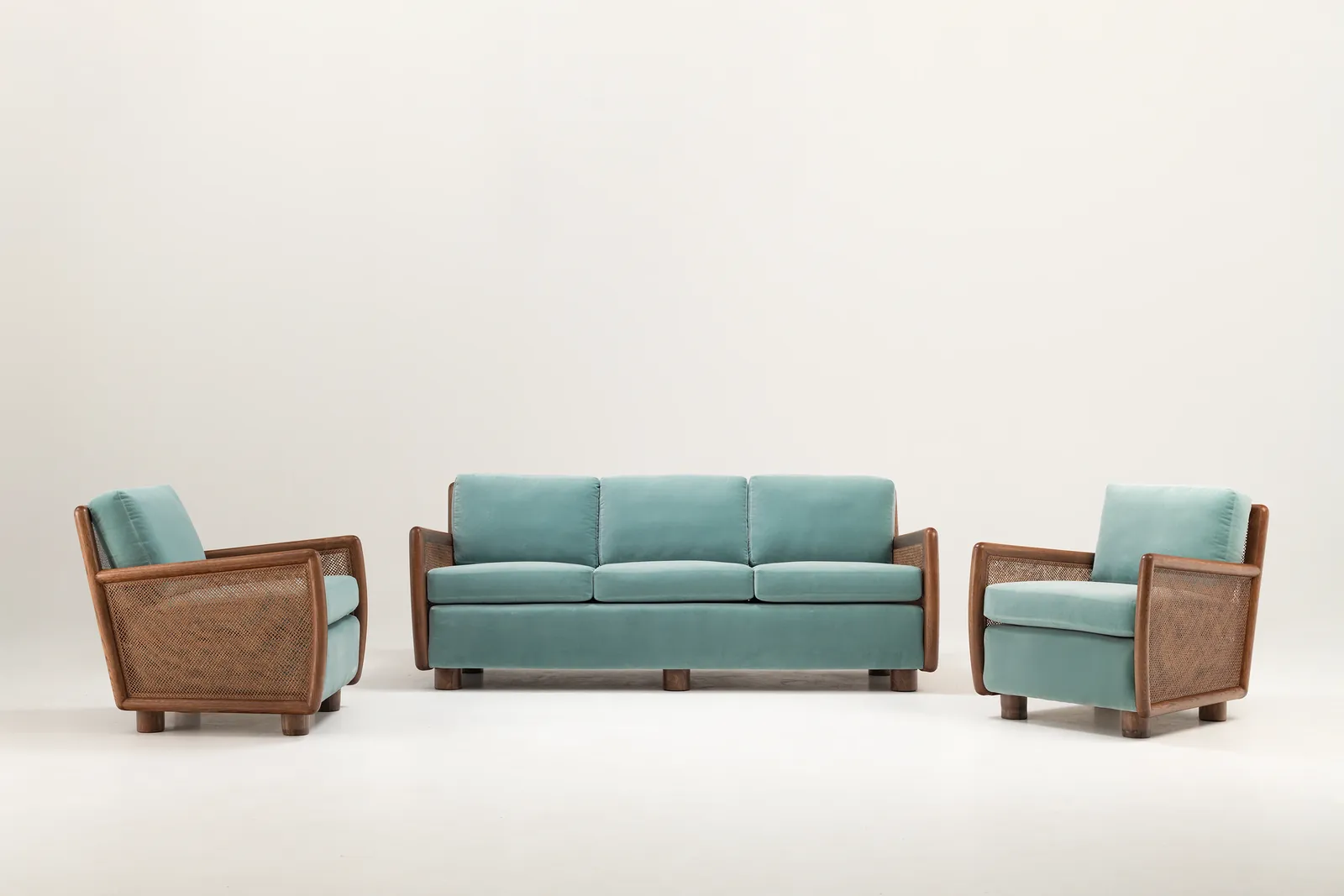
- Match the height of your chair arms to your sofa arms for a streamlined visual flow.
- Use a consistent color palette to anchor mismatched furniture styles together.
- Incorporate contrasting textures—such as leather against linen—to add depth.
- Ensure at least 14 to 18 inches of clearance between your sofa and coffee table.
- Vary the scale of furniture to prevent the room from feeling cramped or lopsided.
How to Pair Sofa and Chairs
To pair these items, start by identifying your room’s primary function. If you prioritize conversation, arrange chairs at an angle toward the sofa. If you prioritize television viewing, align them parallel to the couch. Establishing a focal point is the most critical step in determining where your furniture should sit. You must ensure that the pieces communicate with each other through proximity and orientation rather than just existing in the same room.
Defining Your Design Style
Your furniture selection should reflect your overall interior aesthetic. A modern sofa with clean lines pairs best with mid-century modern accent chairs, while a tufted Chesterfield sofa demands more traditional or vintage-inspired seating. When mixing styles, use a common design thread to bridge the gap between pieces. This could be a shared wood tone in the legs, matching metal finishes, or a consistent upholstery fabric that appears in both pieces.
| Style Type | Sofa Texture | Chair Texture |
|---|---|---|
| Modern | Performance Velvet | Brushed Steel |
| Transitional | Linen Blend | Top-Grain Leather |
| Industrial | Distressed Leather | Reclaimed Wood |
| Scandinavian | Light Cotton | Natural Rattan |
Balancing Scale and Proportion
Large, overstuffed sofas require substantial chairs to prevent the room from looking top-heavy. Conversely, if you have a sleek, low-profile apartment sofa, oversized recliners will overwhelm the space. Always check the seat depth of both pieces to ensure that guests of all sizes feel comfortable. If your sofa is deep, choose an accent chair with a slightly shallower seat to provide a variety of ergonomic options for your household.
The Art of Color Coordination
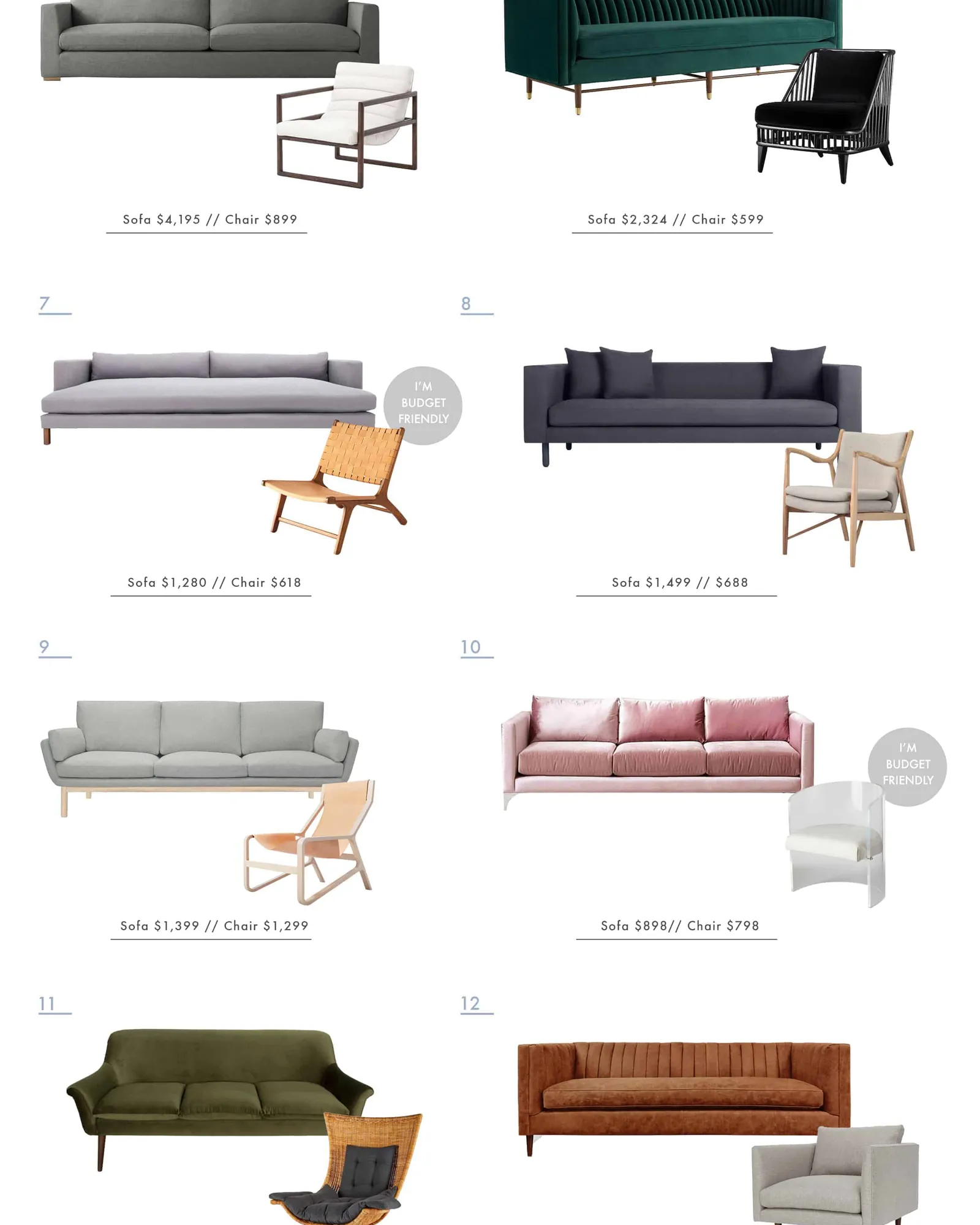
You don’t need to buy a matching set to achieve a professional look. A neutral sofa provides a blank canvas, allowing you to introduce bold patterns or vibrant colors through accent chairs. If you choose a patterned chair, pull one secondary color from that pattern and incorporate it into the sofa via throw pillows or a blanket. This creates a visual bridge that makes the pairing feel deliberate and well-considered.
Incorporating Different Materials
Mixing materials is the fastest way to add sophistication to a room. Combining a fabric sofa with leather chairs adds immediate warmth and texture. Pairing a heavy, upholstered sofa with chairs featuring exposed wood or metal legs helps lighten the visual footprint of your furniture.
Should You Use Matching Sets?
Warning: Matching sets can often make a room feel like a showroom catalog rather than a home. While buying a matching sofa and chair set is the easiest route, it lacks personality and depth. If you choose to go the matching route, break up the uniformity with different side tables, colorful rugs, or varied throw pillows. This visual disruption prevents the set from appearing flat and uninspired.
Arranging Furniture for Conversation
The goal of a conversation area is to keep guests within a comfortable distance. Aim for a layout where the distance between the sofa and the chairs doesn’t exceed 10 feet. Use an area rug to define the zone, ensuring that the front legs of all seating pieces rest on the rug. This technique acts as a spatial anchor, pulling the sofa and chairs together into a singular, cohesive group.
Troubleshooting Common Layout Issues
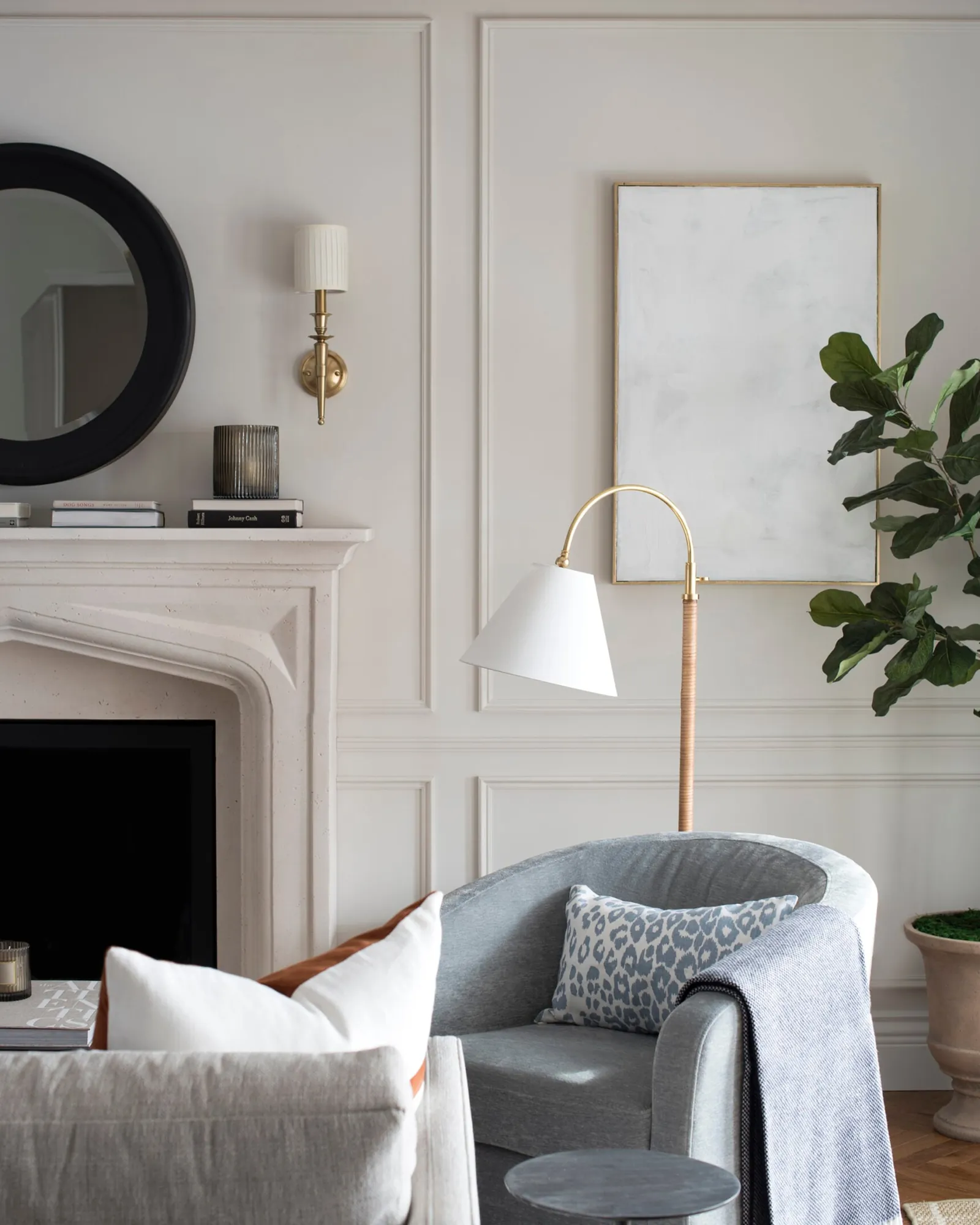
- The Room Feels Small: Use chairs with open backs or legs to allow light to pass through.
- The Room Lacks Focus: Angle your chairs toward the center of the coffee table.
- The Pieces Clash: Apply a unifying color palette through throw pillows or a throw blanket.
- The Layout Feels Stiff: Mix rounded shapes with rectangular pieces to soften the edges.
| Layout Goal | Recommended Arrangement | Best Chair Type |
|---|---|---|
| Socializing | Circular/Angled | Armless or Low-Back |
| Lounging | Parallel | Deep-Seated Recliner |
| Small Space | Facing Sofa | Slipper Chairs |
| Reading | Perpendicular | Wingback or Lounge |
Frequently Asked Questions
Can I mix a leather sofa with fabric chairs?
Yes, mixing leather and fabric is a classic design choice that adds texture and depth to a living room. The key is to ensure that the color tones are compatible, such as pairing a warm cognac leather sofa with cream-colored linen chairs. This combination prevents the space from feeling too cold while adding a touch of luxury and comfort to your seating area.
How much space should be between furniture?
You should maintain at least 14 to 18 inches between your sofa and coffee table for legroom. For the walkway around the seating area, aim for at least 30 to 36 inches of clearance to ensure easy movement. Following these measurements prevents the room from feeling cluttered and ensures that your furniture arrangement is both functional and aesthetically pleasing for daily use.
Do the chair legs have to match the sofa legs?
They don’t have to match exactly, but they should share a similar finish or style. If your sofa has dark espresso wooden legs, choose accent chairs with a similar wood tone or a black metal frame. Consistency in the “hardware” of your furniture helps tie disparate pieces together, making the entire room look like a curated collection rather than a random assortment of items.
How do I pair a patterned chair with a sofa?
When using a patterned chair, select a sofa in a solid, neutral color that complements the base tone of the fabric. To tie them together, use the secondary or accent colors found in the chair’s pattern for your sofa throw pillows or curtains. This method creates a cohesive look that highlights the chair as a focal point without making the room feel chaotic or overwhelming.
Is it okay to have two different types of accent chairs?
Yes, using two different accent chairs can add character, provided they share a similar scale and height. If you want to use mismatched chairs, keep them balanced by ensuring they occupy roughly the same visual weight. You can unify them by using matching fabrics, or by placing them on either side of the sofa to create a symmetrical look that grounds the room’s design.
Conclusion
Start by measuring your living space today to determine exactly how much room you have for your seating arrangement. Once you know your limitations, visit a local showroom to test the comfort levels of different chair styles. By selecting pieces that share a common color or design element, you’ll create a beautifully balanced living room that perfectly suits your personal style.