
You can get a straight back by performing daily stretches and strengthening your core muscles. Success depends on your ability to maintain consistent movement throughout the day, as sedentary habits are the primary cause of rounded shoulders and a hunched spine.
Easy ways to get a straight back
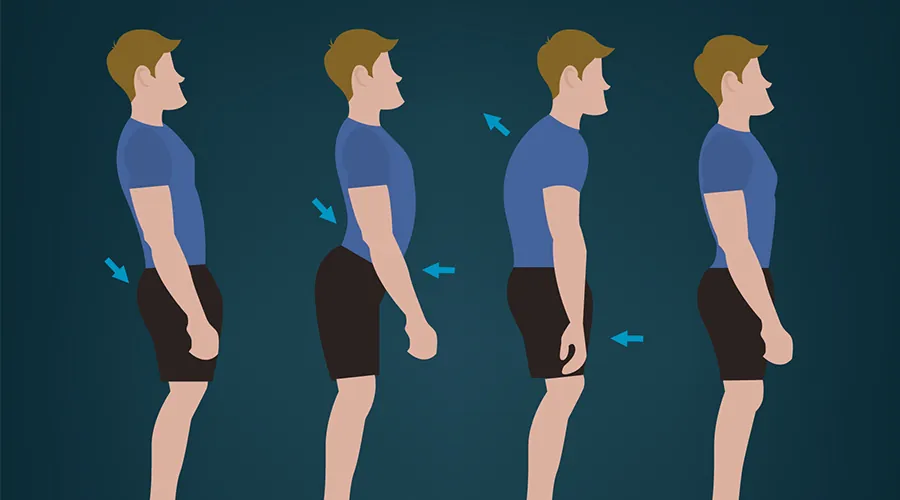
- Stand against a wall with your heels, glutes, and shoulders touching the surface to reset your alignment.
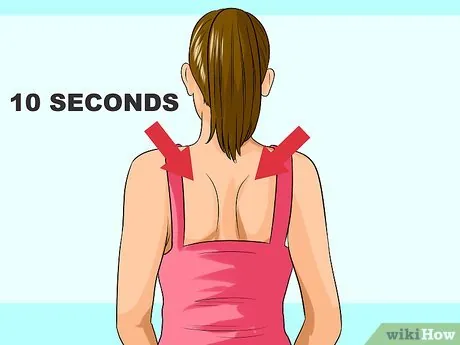
- Pull your shoulder blades down and back toward your spine to open your chest and reduce neck strain.
- Keep your chin parallel to the floor instead of jutting it forward while looking at screens.
- Perform gentle neck tilts for 30 seconds each morning to release tension in the upper trapezius muscles.
- Engage your abdominal muscles while sitting to support your lower spine and prevent slouching forward.
- Set a timer to stand up and walk for two minutes every hour if you work at a desk.
Why Posture Matters for Your Spine
The structural integrity of your spine relies on a balance between the muscles in your front and your back. When you slouch, the muscles in your chest become tight while the muscles between your shoulder blades weaken. This imbalance pulls your shoulders forward, creating a permanent rounded appearance that can lead to chronic discomfort. Strengthening the posterior chain—the muscles along the back of your body—helps counteract the daily pull of gravity.
According to the National Institute of Neurological Disorders and Stroke, maintaining proper posture is essential for preventing long-term strain on your muscles and ligaments. If you spend most of your day sitting, your hip flexors also tighten, which tilts your pelvis and forces your lower back into an unnatural curve.
Regular movement and targeted stretching are the only ways to reverse these patterns. If you feel sharp pain during any exercise, stop immediately and consult a physical therapist for a professional assessment.
When Your Routine Needs Adjustment
The standard approach works for most people, but specific physical conditions require different techniques to ensure safety and progress.
| Situation | What changes | What to do instead |
|---|---|---|
| Chronic back pain | Exercise intensity | See a doctor first |
| Scoliosis diagnosis | Stretching focus | Follow specialized physical therapy |
| Desk job | Movement frequency | Use a sit-stand desk |
| Pregnancy | Core engagement | Use prenatal-safe modifications |
| Joint hypermobility | Range of motion | Focus on controlled stability |
How to Perform Daily Postural Exercises
- Start with the “wall angel” movement by standing against a wall with your arms in a W-shape.
- Slide your arms upward slowly while keeping your elbows and wrists in contact with the wall surface.
- Repeat this movement 10 times to activate the muscles responsible for holding your shoulders in a neutral position.
- Switch to a doorway stretch by placing your forearms on the door frame and leaning forward gently.
- Hold this stretch for 20 seconds to lengthen tight chest muscles that contribute to a slumped posture.
- Finish by doing five deep belly breaths to relax your diaphragm, which helps align your ribcage properly.
- Check your progress by taking a side-profile photo of yourself once a week to monitor visual changes.
Common Mistakes That Ruin Progress
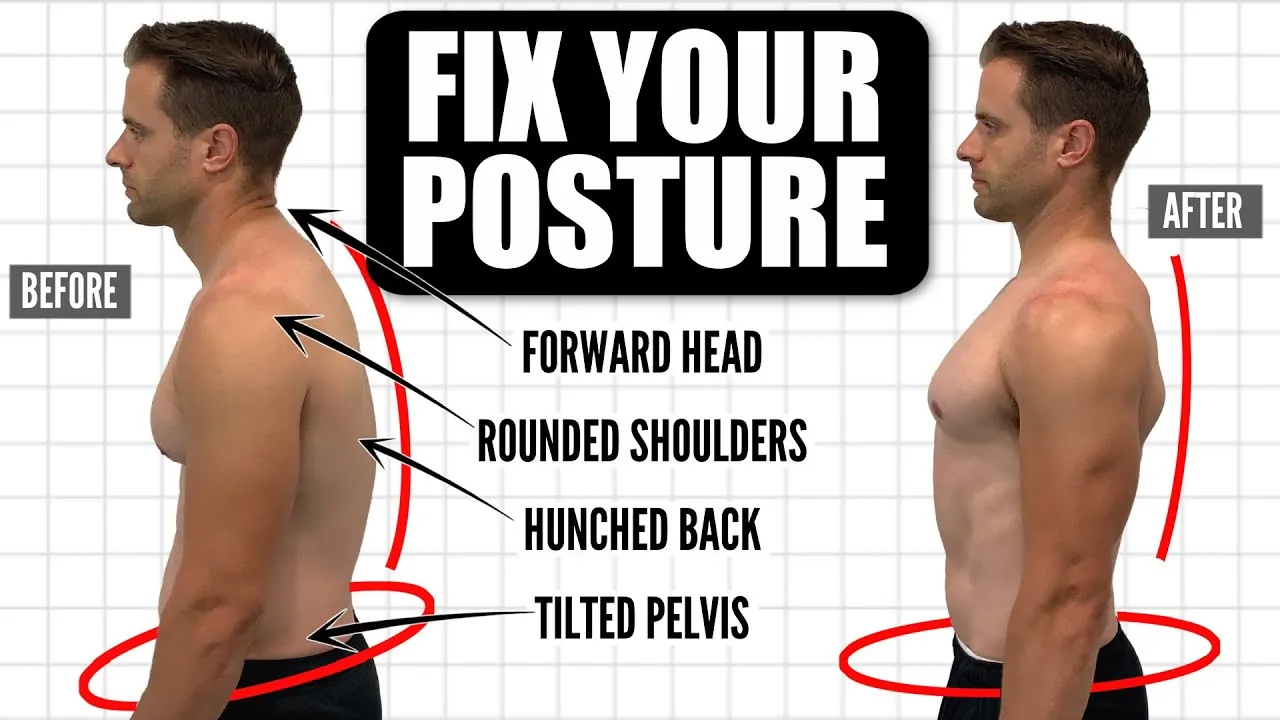
- Over-arching your lower back while trying to stand straight, which creates unnecessary pressure on your lumbar discs.
- Fixating on your shoulders while ignoring your head position, as a forward-leaning head often drags the shoulders down.
- Holding static stretches for too long without moving, which can sometimes lead to muscle fatigue instead of release.
- Trying to force your spine into a rigid “perfect” position, which prevents natural movement and causes muscle stiffness.
Frequently asked questions
How long does it take to fix my posture?
Visible improvements usually appear after 4 to 6 weeks of daily practice. This timeline assumes you perform the recommended stretches every single day, as the body needs consistent repetition to create new muscle memory and release tight tissues.
Is it safe to use a back brace?
Back braces are generally not recommended for long-term use because they weaken the muscles that naturally hold you straight. You should only use a brace for short periods if a doctor suggests it for recovery after a specific injury.
What happens if I keep slouching?
Chronic slouching causes the ligaments in your spine to stretch out, leading to persistent neck and shoulder pain. This physical stress often results in reduced lung capacity and can make it harder to perform simple daily movements comfortably.
Can I fix my posture while sitting?
You can improve your alignment while sitting by placing a small cushion behind your lower back to support your natural curve. Keep your feet flat on the floor and ensure your monitor is at eye level to prevent leaning.
Does it matter if I am older?
Age doesn’t prevent you from improving your posture, though you should focus on gentle movements rather than intense strengthening. The key is to maintain as much spinal mobility as possible through low-impact stretching and consistent daily activity.
How many times a day should I stretch?
You should perform your postural stretches at least two times per day for the best results. One session in the morning helps wake up your muscles, while a second session in the evening releases the tension built up during work.
Conclusion
Building a straight back is a slow process of undoing years of habit. Focus on the feeling of your chest opening and your shoulders relaxing downward rather than forcing a rigid pose. If you remain consistent with your daily movements, your body will naturally gravitate toward a healthier, more upright alignment over time.
Related guides