
Creating a seating area in your bedroom is easy when you use a small chair and a side table to define a dedicated corner for reading or relaxing. This transformation relies on choosing furniture that fits your available floor space without blocking the flow of movement.
The final layout depends on the size of your room and your specific habits. Some readers need a full lounge setup, while others just need a spot to put on shoes. This guide assumes you have at least 15 square feet of clear floor space to work with comfortably.
Ideal bedroom layouts for seating
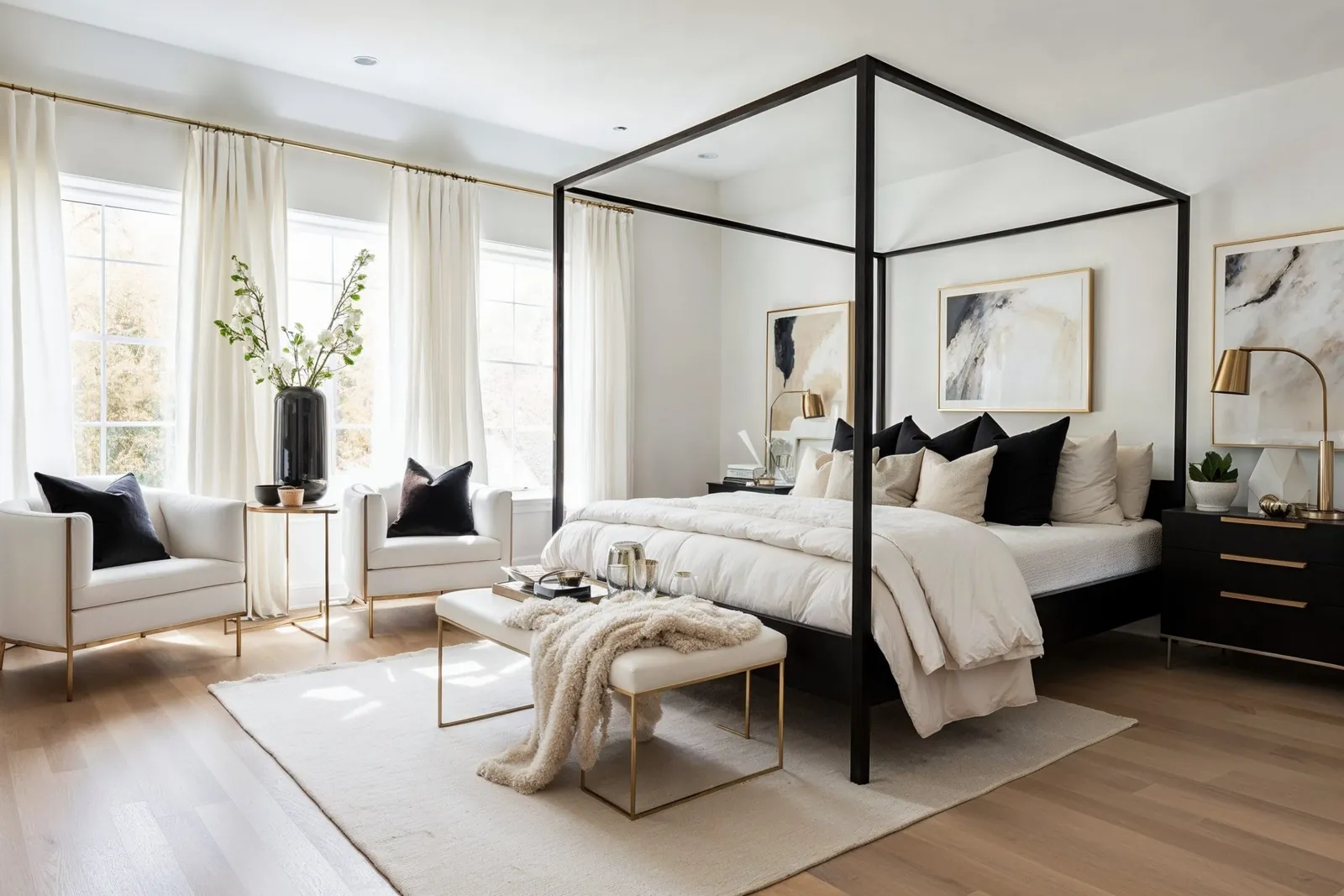
This project attracts people who want their bedroom to feel like a private sanctuary.
We assume you have a clear corner or an empty wall space that isn’t currently in use. If your room is already full of dressers or large desks, you should consider moving smaller items first.
What changes your furniture choices
Your bedroom dimensions dictate the size of seating you can add. A high-backed armchair works well in a large bedroom, while a backless stool is better for a tighter space. Measure your floor space to ensure at least 24 inches of walking clearance.
Your primary activity determines the comfort level you need. Choose a chair with lumbar support for long reading sessions. A simple wooden chair or bench suffices for quick tasks.
Steps to create a bedroom seating area
- Clear a space that measures at least 3 feet by 4 feet in a quiet corner.
- Place a single accent chair at an angle to face the center of the room.
- Position a small side table next to the chair for drinks or books.
- Add a floor lamp if the corner lacks natural light during the evening hours.
- Place a small rug under the chair to visually separate the area from the bed.
- Check that you can walk past the chair without bumping into any edges.
Keep the chair style consistent with your bed frame.
Comparing seating options
| Furniture type | Best use case | Space required | Watch for |
|---|---|---|---|
| Armchair | Long reading sessions | 4 sq ft | Seat depth |
| Bench | Changing clothes | 3 sq ft | Height clearance |
| Stool | Tight corners | 2 sq ft | Base stability |
| Ottoman | Foot support | 2 sq ft | Weight capacity |
| Slipper chair | Visual style | 3 sq ft | Back height |
Achieving a polished look
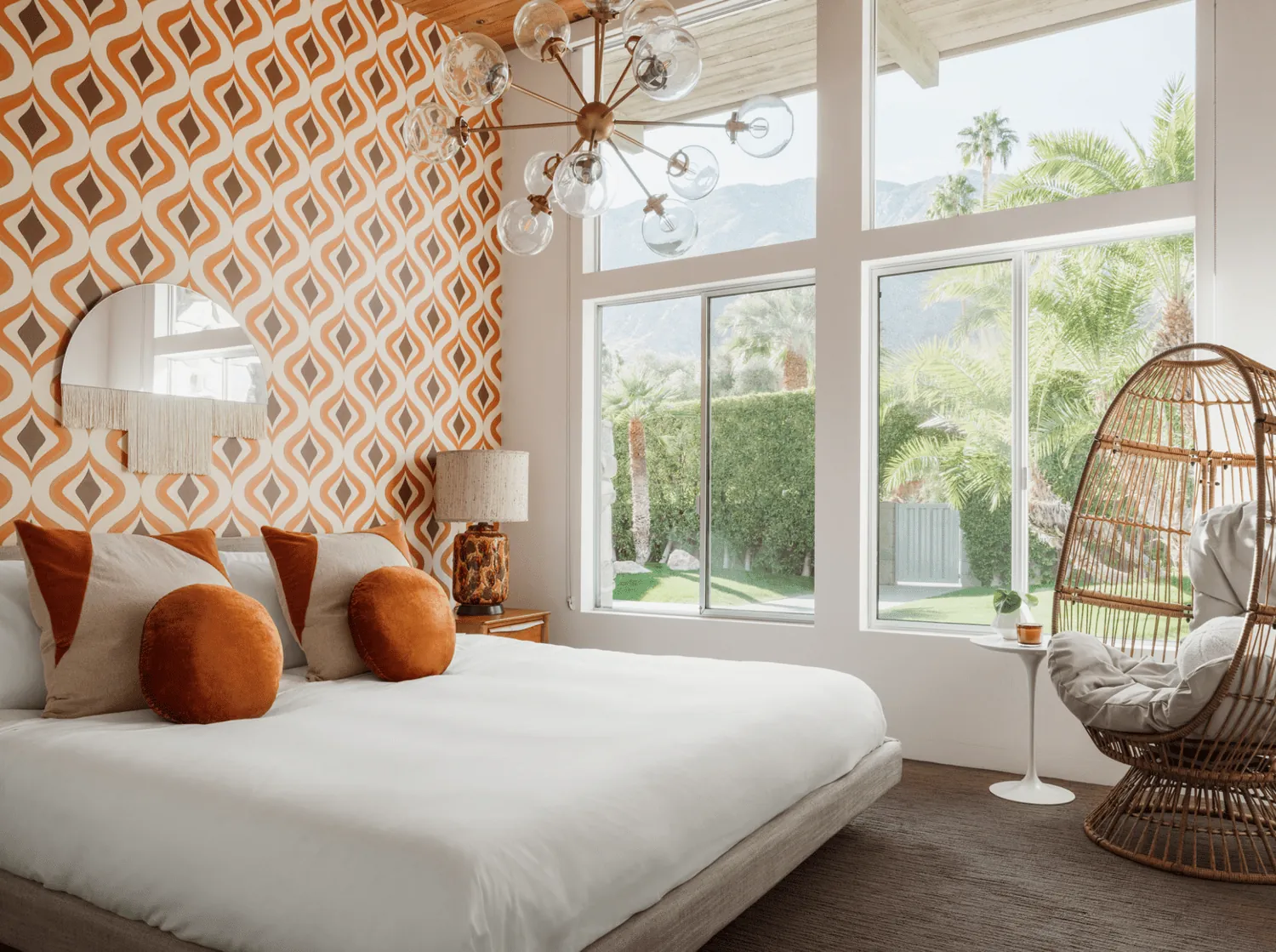
Prioritizing comfort and scale
Check the chair seat height against your bedside tables. Beginners often pick chairs based on color alone, but you should prioritize the depth of the seat. A chair that’s too deep will make your feet dangle, which is uncomfortable for long periods.
Managing visual weight
Keep the area clear of clutter. Choose a chair with an open frame or spindly legs for limited space. This allows light to pass through the furniture, which prevents the room from feeling blocked or heavy.
Troubleshooting common issues
| What you notice | What it usually means | What to do first | How to stop it |
|---|---|---|---|
| Room feels crowded | Furniture is too big | Remove extra items | Measure before buying |
| Chair is wobbly | Uneven floor surface | Add felt pads | Use adjustable glides |
| Dark reading spot | Poor light placement | Add floor lamp | Use warm bulbs |
| Cluttered appearance | Too many accessories | Remove small items | Keep surfaces clear |
| Hard to walk past | Bad traffic flow | Shift the layout | Check 24-inch path |
Standards for home furniture
Safety and comfort are governed by basic human factors. You can check the manufacturer’s label on the underside of a chair to see the maximum weight limit. If renting, check your lease regarding wall-mounted lamps or heavy furniture.
Real costs of your nook
The cost of your seating area depends entirely on the quality of the materials. If you’re on a budget, look for high-quality used pieces that you can reupholster yourself.
Maintaining your new space
You can keep your seating area looking fresh by vacuuming the chair fabric once a month. If you have a leather chair, use a damp cloth to wipe down the surface to prevent dust buildup. Check the side table for scratches and use a coaster to protect the finish from water rings.
If the chair starts to sag, rotate the cushions to distribute the wear more evenly. When the fabric shows signs of stains, spot-clean it using a mild detergent and water, but test a hidden spot first to ensure it doesn’t fade.
When to choose a different approach
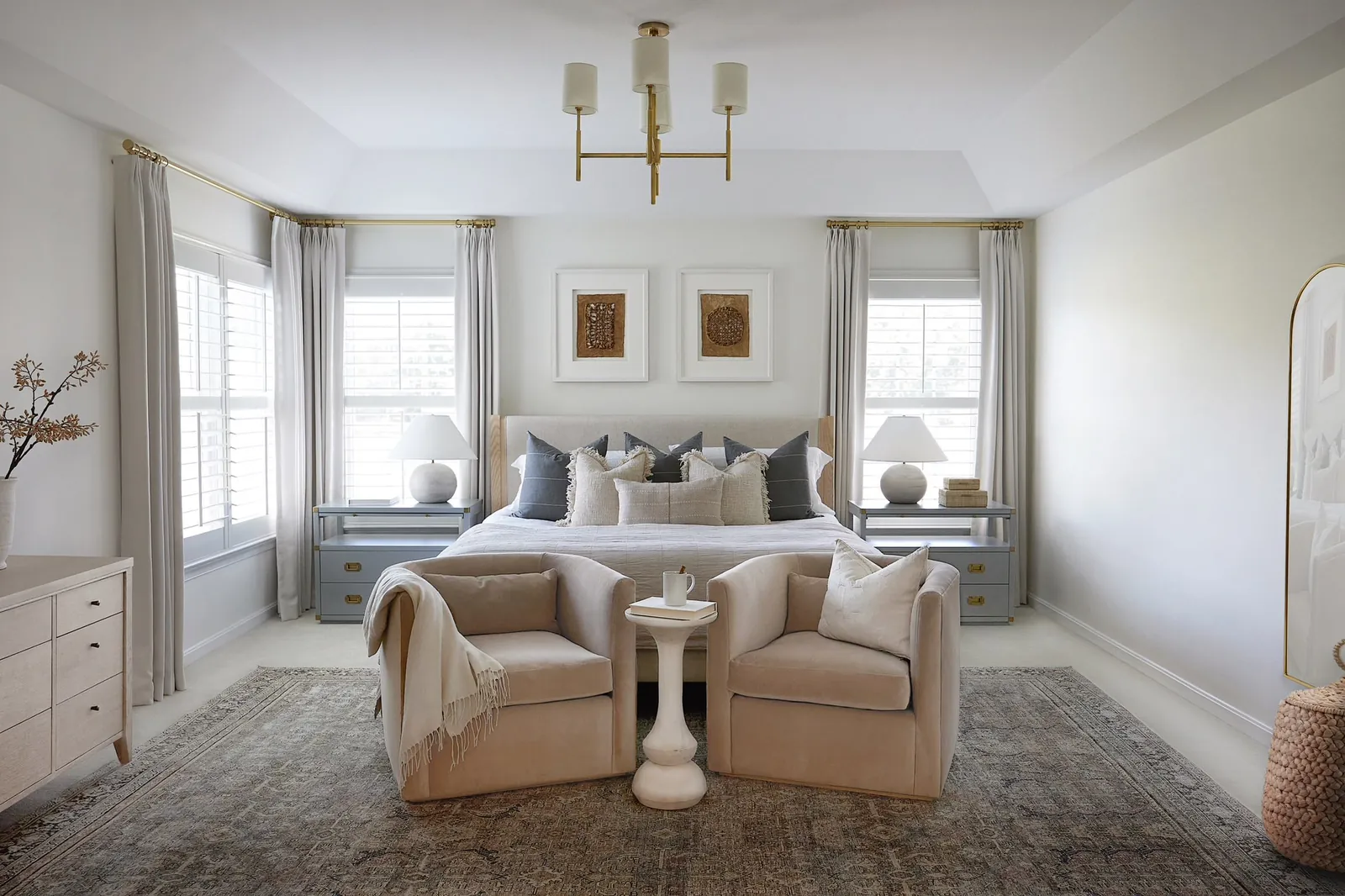
If your bedroom is small enough that a chair blocks your path to the closet, you should abandon the idea of a seating area. Instead, consider using a narrow storage ottoman at the foot of your bed. This provides a place to sit without taking up valuable floor space.
Frequently asked questions
Can I put a chair in a small bedroom?
Yes, you can fit a chair in a small bedroom by choosing a backless stool or a slim-profile slipper chair. These options provide a place to sit without blocking your walking path.
How much space do I need for a chair?
You need a minimum of 3 feet by 4 feet of floor space for a standard chair. This allows enough room to pull the chair out and move around it safely.
Is it safe to put a chair near a radiator?
No, you should keep furniture at least 12 inches away from a radiator. Heat can dry out wood frames and damage fabric, and it poses a significant fire safety risk.
What is the best height for a bedroom chair?
The best height for a bedroom chair is 18 inches from the floor to the seat. This is the standard height for most dining and accent chairs, making it comfortable.
Does a rug make the area look better?
Yes, a small rug defines the seating area and separates it from the rest of the bedroom. Use a rug that’s at least 3 feet wide for a balanced look.
How often should I clean the fabric?
Regular cleaning prevents dust and skin oils from settling into the fibers and causing long-term damage to the material.
Start by clearing the corner where you want the seat to go and measuring the floor space available.
Conclusion
Once your space is ready, grab a soft throw blanket and your favorite book to test out the new setup. You’ll find that having this cozy nook makes your room feel like a true retreat. Don’t be afraid to adjust the lighting later tonight to make it feel even more inviting.