
To achieve a flattering and professional look while sitting on a chair, you must prioritize posture, limb placement, and the deliberate creation of negative space. Positioning yourself toward the edge of the seat prevents your clothing from bunching and ensures your spine remains naturally elongated rather than slumped against the backrest. By controlling your angles and engaging your core, you transform a simple piece of furniture into a versatile prop for high-quality portraits or casual social media photography.
Key Takeaways
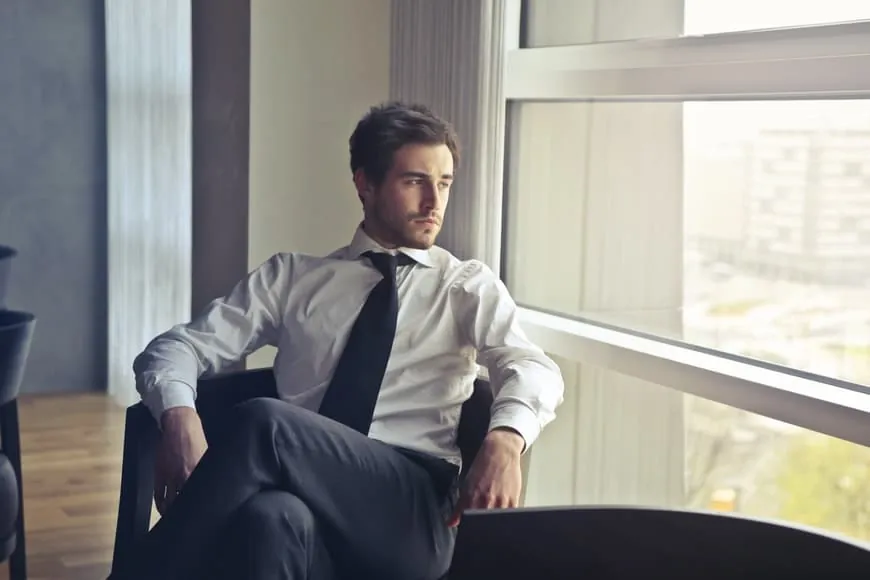
- Shift your weight to the edge of the chair to maintain a tall, elongated torso.
- Avoid placing your feet directly under the seat to prevent them from looking distorted or foreshortened.
- Create triangles with your arms and legs to add visual interest and break up blocky shapes.
- Keep your shoulders relaxed and pulled back to enhance your silhouette.
- Angle your body slightly away from the camera to create depth and a slimmer appearance.
How to Pose While Sitting Correctly
The foundation of a great sitting pose is your spinal alignment. When you sit, it’s easy to let the lower back collapse, which creates unwanted shadows and folds in your clothing. Imagine a string pulling the crown of your head toward the ceiling. This simple adjustment improves your neck line and prevents the “double chin” effect.
Why Angle Your Body?
Pointing your shoulders directly at the camera often makes you look broader than you actually are. Instead, turn your body at a 45-degree angle. This technique creates a more dynamic silhouette and helps you appear thinner. By angling your torso, you naturally create a “leading line” that draws the viewer’s eye toward your face rather than the chair itself.
Managing Your Leg Placement
Your legs can either anchor your pose or ruin it. If you keep your feet flat and parallel, you risk looking stiff. Experiment with these variations to find your most comfortable look:
| Leg Position | Visual Effect | Best For |
|---|---|---|
| Crossed at ankles | Elegant and refined | Formal portraits |
| One leg extended | Adds length and depth | Casual, artistic shots |
| Crossed at knees | Classic and feminine | Fashion photography |
| Feet apart, grounded | Strong and confident | Editorial styles |
Using Arms to Create Triangles
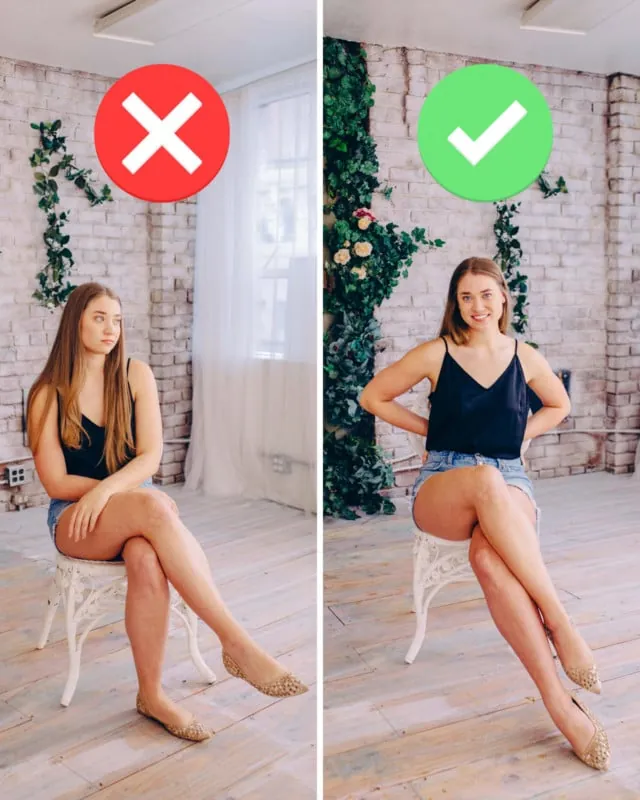
Negative space is your best friend when posing. If your arms rest flat against your sides or thighs, your body will look like a solid, uninteresting block. By bending your elbows and resting your hands on your hips, your knees, or the back of the chair, you create triangles. These geometric shapes provide visual “breathing room” and make your pose look intentional and sophisticated.
Hand Positioning and Styling
Hands are notoriously difficult to pose, but they should never look like dead weight. Avoid making tight fists, which suggest tension. Instead, keep your fingers relaxed, slightly curled, or resting gently on a surface. If you’re sitting at a table, you can lightly touch your chin or rest your cheek on your knuckles. Pro Tip: Keep your wrists soft and flexible to avoid a rigid, robotic appearance in your photos.
Choosing the Right Chair
Not all seating is created equal. A bulky armchair can swallow a petite frame, while a high-backed stool might make you look like you’re perched precariously. For the best results, use chairs with clean lines and minimal patterns. If the chair is too low, you may find your knees rising above your hips, which is rarely a flattering angle.
Troubleshooting Common Pose Issues
If your photos feel “off,” check these common mistakes. If your neck looks short, you’re likely hunching your shoulders. If your legs look heavy, you’re likely pressing them into the seat cushion.
| Issue | Quick Fix |
|---|---|
| Slouching | Engage your core and sit on the edge |
| Double Chin | Push your forehead forward slightly |
| Heavy Legs | Shift weight to one hip |
| Stiff Hands | Relax fingers and avoid tight fists |
Should You Use Props?
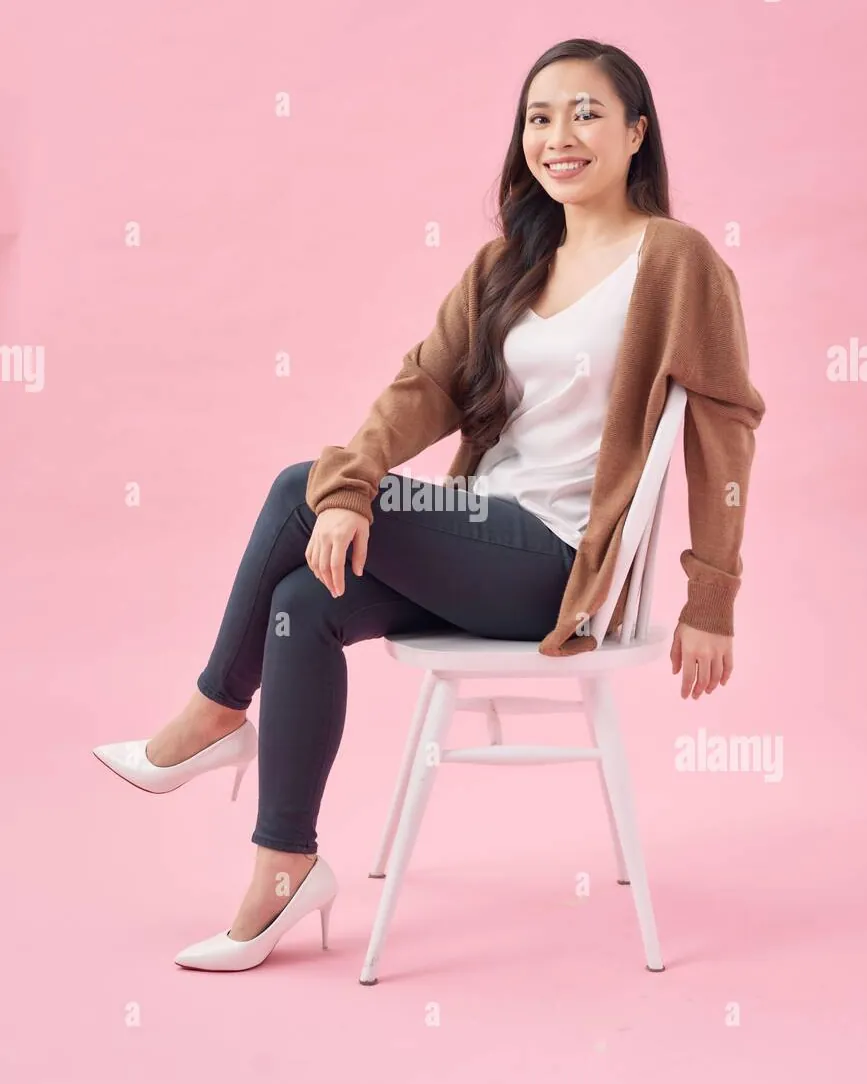
Warning: Avoid cluttering your pose with too many objects. A single prop, such as a coffee cup, a book, or a pair of glasses, can give your hands something to do and make the scene feel more authentic. However, holding too many items will distract from your face. Keep props minimal to ensure the focus remains on your expression and body language.
Related guides
- My Honest Review: Gaming Chair – 2026 Guide
- My Honest Review: Gaming Chair – 2026 Guide
- My Honest Review: Gaming Chair – 2026 Guide
Frequently Asked Questions
How do I stop my legs from looking big when sitting?
Avoid pressing your thighs firmly against the chair seat, as this causes the muscles to spread. Instead, sit toward the edge of the seat and shift your weight to one hip. This creates a diagonal line that slims the appearance of your legs. Crossing your ankles or extending one leg further toward the camera also helps create a more elongated, slender look.
Is it better to sit on the edge or back?
Always sit toward the edge of the chair. Sitting back against the chair’s spine forces your body into a passive position that often leads to slouching and fabric bunching. By sitting on the edge, you regain control over your posture, allowing you to lengthen your torso and create a more active, engaging silhouette for the camera.
How do I avoid looking stiff in photos?
Stiffness usually stems from holding your breath or tensing your muscles. To look natural, exhale right before the shutter clicks and drop your shoulders away from your ears. Incorporate movement by slightly shifting your weight or adjusting your hair. Creating small triangles with your elbows and knees also adds a sense of fluidity and visual interest to your pose.
What should I do with my hands?
Never let your hands hang lifelessly at your sides. Use them to interact with your environment. Rest your hands gently on your lap, touch the chair arm, or lightly frame your face. Keep your fingers relaxed and slightly apart to avoid a “claw” look. Soft, curved fingers are far more elegant than stiff, straight ones, so keep your wrists loose and flexible.
Can I sit cross-legged in a chair?
Yes, sitting cross-legged can look very casual and inviting, especially in lifestyle photography. However, ensure that you aren’t losing your posture in the process. Keep your back straight and your shoulders down. If you choose this pose, make sure the camera is at or slightly above your eye level to prevent an unflattering view of your knees or feet.
Conclusion
To refine your look further, practice these movements in front of a mirror for ten minutes before your next photo session. Focus on keeping your spine tall and your shoulders relaxed while experimenting with different leg angles. Once you feel confident, set up your camera or phone at eye level to capture your most professional and polished sitting poses.