
To find the right size and style for your home, you should measure your dining area before you start to look at how to buy a dining room table. Most standard rooms need at least 36 inches of clearance on all sides for chairs to pull out comfortably.
Assess your dining room table needs
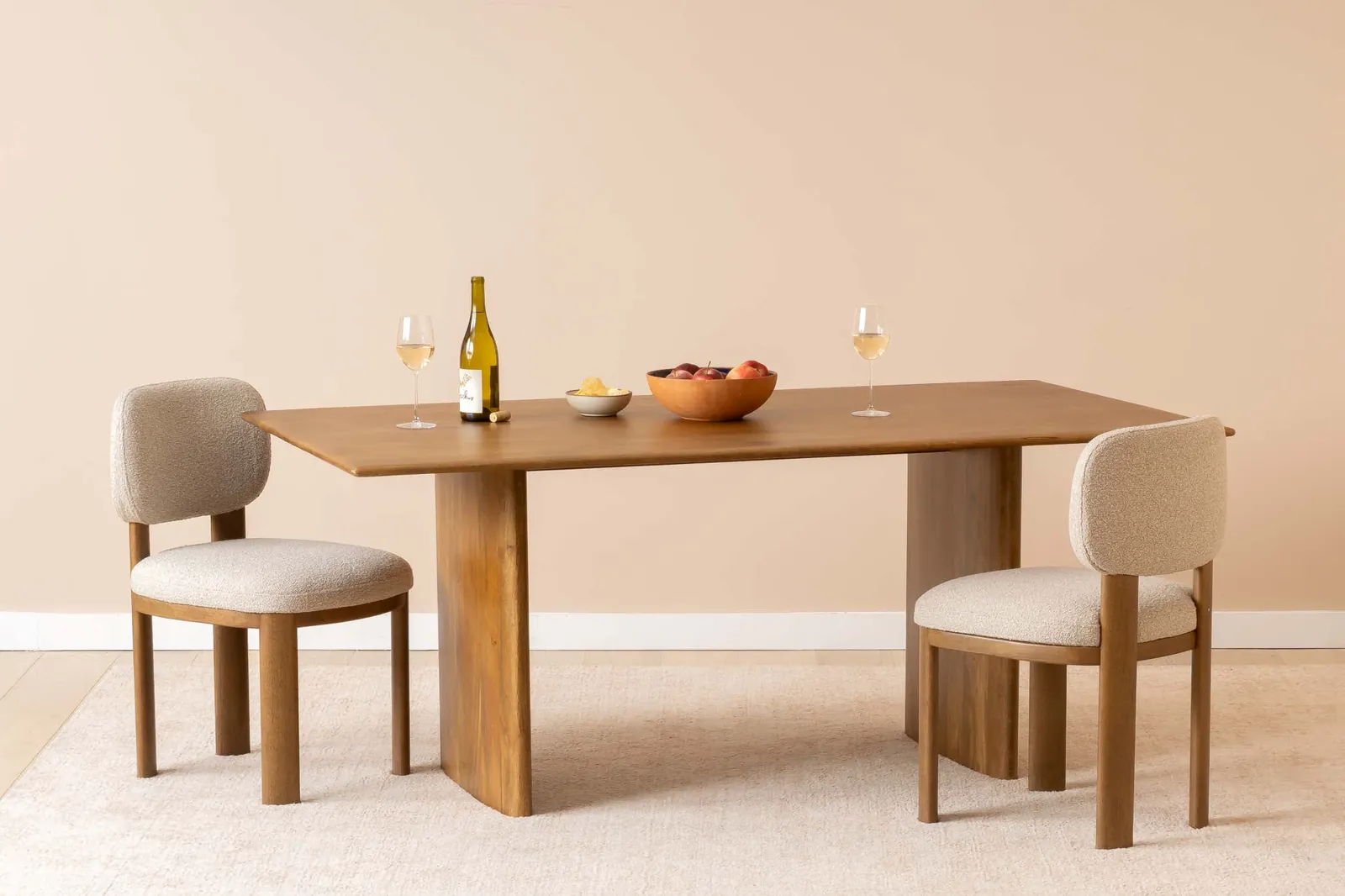
A dining table is the center of the home. Pick a material that fits your daily habits. Avoid buying the biggest table that fits without checking if people can walk around it while others are seated.
Steps to choose the right table
- Measure your room’s length and width, then subtract 72 inches from each to determine the maximum table dimensions that allow for 36 inches of chair clearance on every side.
- Select a shape based on the room; use round tables for small or square rooms to improve flow, and rectangular tables for long, narrow spaces.
- Check the height of the table apron, which is the frame under the top, to ensure your chairs will slide underneath without hitting your legs.
- Test the stability by leaning on one corner; a high-quality table shouldn’t wobble or shift under pressure.
- Consider the finish, choosing solid wood for durability or glass if you want to make a small room feel larger and more open.
- Verify the total weight capacity if you plan to use the table for heavy items or frequent large family gatherings.
The most important judgement call is balancing your seating needs against the physical space of the room. If you choose a table that’s too large, the room will feel cramped and unusable for daily traffic.
Quick guide to table sizes and materials
| Situation | What to use | How long | What to watch for |
|---|---|---|---|
| Small apartment | Round pedestal | 36-42 inch diameter | Leg interference |
| Family of four | Rectangular | 48-60 inches long | Chair spacing |
| Large dining hall | Oval or long | 72+ inches long | Support beam placement |
| High-traffic home | Hardwood | Lifetime with care | Scratch resistance |
| Modern aesthetic | Glass top | Indefinite | Fingerprints and chips |
Getting the best result
Experienced buyers always look at the joinery before they commit to a purchase. Look for dovetail or mortise-and-tenon joints, as these hold together much better than simple glue or staples. If you see screws visible on the exterior, the table is likely built for a lower price point and may not last through frequent moves.
Check if the table legs interfere with your chairs. Four corner legs often block chairs from being pushed in fully. Use a pedestal or trestle base for more legroom with wide chairs. The Consumer Product Safety Commission provides safety guidance on securing furniture to prevent accidents in homes with children or pets.
Fixing common table problems

| What you notice | What it usually means | What to do first |
|---|---|---|
| Table wobbles | Uneven floor or legs | Add felt leveling pads |
| Surface scratches | Soft wood finish | Use a placemat |
| Water rings | Trapped moisture in finish | Use a mild abrasive or heat method to draw out moisture |
| Loose joints | Dry wood or wear | Tighten hardware |
Legal and safety standards
When buying, check for compliance with industry standards regarding chemical finishes and wood sourcing. In the United States, the Environmental Protection Agency sets rules on formaldehyde emissions for composite wood products. Ensure your retailer confirms that any composite materials meet these federal limits to maintain indoor air quality. Ensure your floor can support heavy stone or solid wood tables, which can exceed 300 pounds.
Maintaining your new furniture
Keep your table away from heat sources to prevent wood cracking or warping. Wipe spills immediately with a soft, dry cloth to protect the finish. If the surface looks dull, use a wax-based polish designed for your specific wood type. Contact a professional restorer for deep gouges or cracks to avoid permanent damage from improper repairs.
When to avoid this approach

Don’t buy a fixed-size table if your family size changes often; choose an extendable model with a leaf instead. If you have a very small home, avoid heavy, dark-colored wood tables that visually shrink the space. If on a budget, refinish a high-quality used table instead of buying cheap particleboard.
Frequently asked questions
Can I fit a rectangular table in a square room?
No, a square or round table is better for a square room because it keeps the distance between the table edge and the walls equal on all four sides.
How much space do I need for each person?
You need 24 inches of width per person at the table to ensure everyone has enough elbow room to eat comfortably without bumping into their neighbor during the meal.
Is it safe to buy a glass table?
Yes, it’s safe if the table uses tempered glass, which is designed to break into small, dull pieces rather than sharp shards if it ever suffers a major impact.
How long should a dining table last?
A high-quality solid wood table can last for a lifetime, provided you maintain the finish and keep it away from extreme heat or moisture in your home.
What happens if the table is too heavy for my floor?
If the table is too heavy, the floor joists may sag or warp over time, so check your home’s flooring capacity if you’re considering a massive stone or iron table.
How often should I wax my wood table?
You should apply a high-quality furniture wax every 6 to 12 months, depending on how much direct sunlight the table receives and how often you clean the surface.
Conclusion
Measure your space twice before you go to the store to avoid the common mistake of buying a table that fits the room but blocks your path. A table that allows for easy movement and comfortable seating is always a better choice than one that fills every inch of your floor.
Related guides