
Adding seating to a small bedroom is best achieved by using multi-purpose furniture like ottomans or wall-mounted benches that keep your floor clear. This approach works best for people who need extra comfort without losing the limited space they already have.
Best seating for a small bedroom

To make a small room feel open, choose pieces that serve more than one purpose. Focus on items that fit your specific layout and don’t block your walking paths.
- Storage ottoman: Use one that doubles as a seat and a place to hide blankets.
- Wall-mounted folding chair: These attach to the wall and fold flat when you don’t need them.
- Nesting stools: These stack vertically to save space while providing two or three extra seats.
- Slim bench: Place this at the foot of your bed for a low-profile seating option.
You can substitute a heavy chair with a floor cushion, but avoid oversized armchairs that block your bedroom door.
Steps to install your new seating
- Measure the floor area where you plan to place the furniture to ensure it doesn’t block your egress path.
- Clear the zone of all clutter so you can see the true footprint available for a new piece.
- Choose a piece that sits at the same height as your bed if you want the room to feel cohesive.
- Position your ottoman or bench against a wall or the foot of the bed to maintain an open center.
- Test the placement by walking around the room to ensure you have at least 24 inches of clearance.
- Secure any wall-mounted hardware into the studs using a level to keep the seat straight and stable.
Tip: If you’re using a wall-mounted bench, use a stud finder to ensure you’re drilling into solid wood.
Careful: Don’t attempt to mount heavy furniture into drywall alone, as it will likely pull out and damage your wall. If you aren’t comfortable using power tools, hire a local handyman to ensure the installation is safe and secure.
Choosing the right seating type
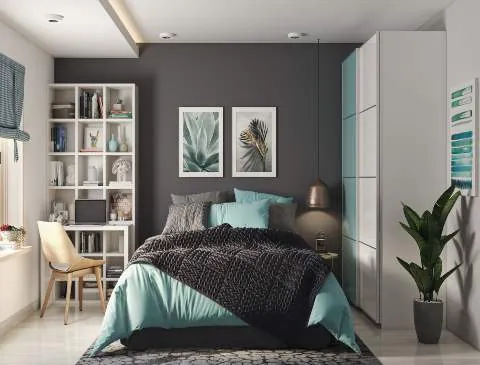
The best choice depends on how often you plan to use the seat and how much floor space you can spare.
| Seating Type | Space Needed | Primary Use | Best For |
|---|---|---|---|
| Folding chair | 2 inches | Occasional | Tightest rooms |
| Storage ottoman | 18 inches | Daily | Organizing items |
| Nesting stools | 12 inches | Frequent | Multiple guests |
| Slim bench | 15 inches | Daily | Putting on shoes |
It’s always safer to start with a small, movable piece and add more only if the space feels comfortable after a week of use.
How to tell you did it right
A successful setup leaves enough room to walk around your bed without bumping into furniture. If the room feels crowded or you find yourself twisting to move through the space, the seat is too large or placed in the wrong spot. This happens because people often ignore the “swing” of the bedroom door or the path to the closet. Use painter’s tape on the floor to mark the dimensions before you buy to prevent these common spacing errors.
Safety rules and maintenance
Keep your walkways clear of trip hazards to meet basic home safety standards. If you use folding furniture, check the hinges every six months to ensure they remain tight and don’t squeak or wobble. If you notice any cracks in the wood or loose screws, stop using the item immediately until you can tighten the hardware. If you’re unsure about the structural integrity of your furniture, contact the manufacturer to see if they offer replacement parts or specific maintenance advice.
Alternative seating solutions
Floor cushions
These provide soft seating that you can slide under the bed when not in use. They take up zero permanent floor space and are ideal for casual reading or relaxing.
Window seat
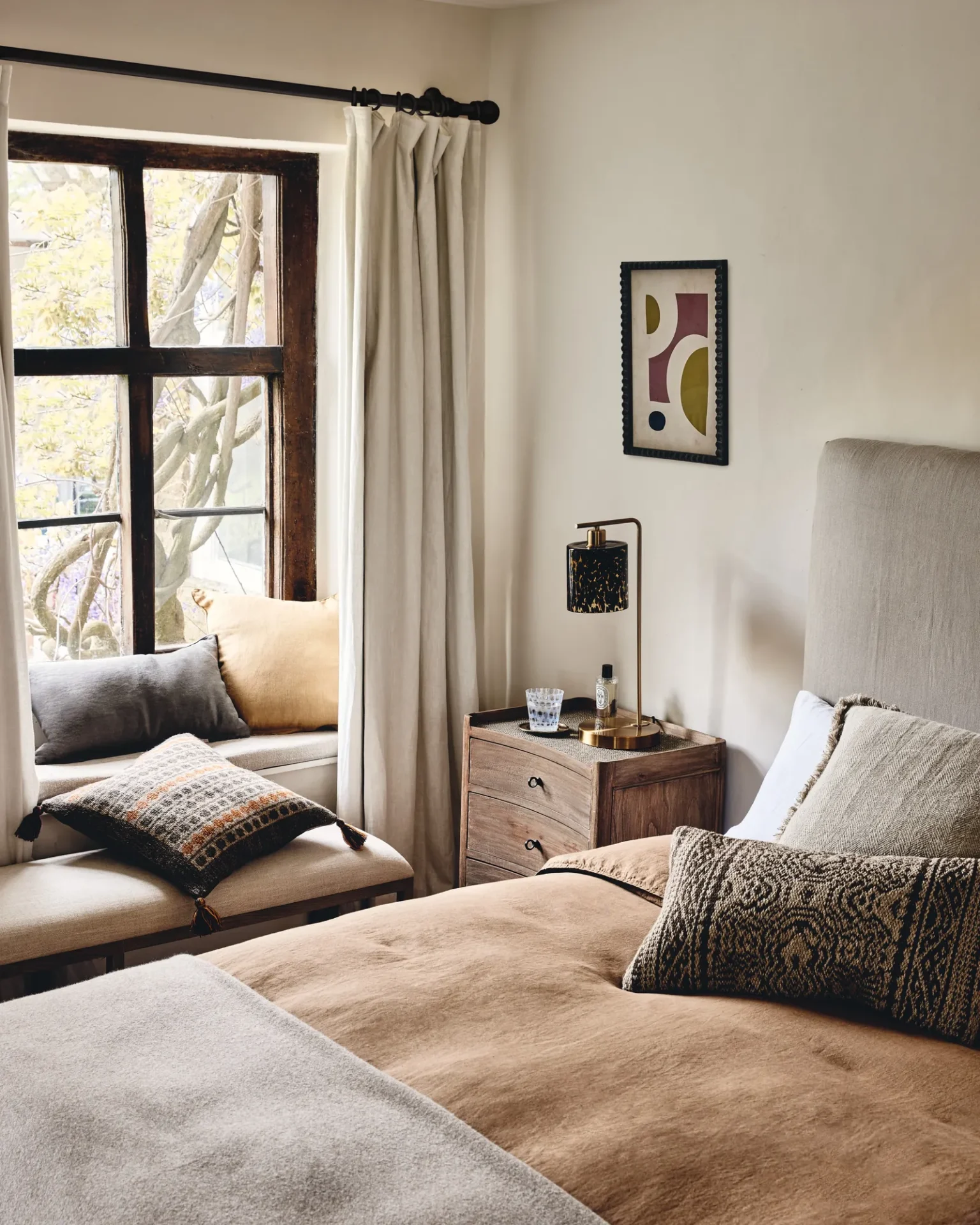
If you have a wide window, building a custom bench underneath turns a dead zone into a functional seat. This adds storage below and keeps the floor completely clear.
Vanity chair
A small, backless stool tucked under a desk or vanity acts as both a workspace seat and an extra chair. It slides away completely when you need more room.
Frequently asked questions
How much space do I need for a chair?
You need at least 24 inches of clear floor space around a chair to move comfortably. If you have less room, choose a wall-mounted folding seat that stays flat against the wall until you need to sit down.
Is it safe to use folding chairs in a small room?
Yes, it’s safe if you choose chairs rated for your body weight and ensure the locking mechanism is fully engaged. Always check the weight limit printed on the product packaging before use to avoid potential accidents.
What happens if I block a walkway?
Blocking a walkway creates a trip hazard and makes the room feel much smaller than it is. If you can’t find a spot that keeps the path open, opt for a floor cushion instead of a hard-framed chair.
How do I know if a chair is too big?
Use your tape measure to check the footprint before you buy, and aim for pieces that have slim legs to keep the floor visible.
Can I put a bench at the foot of my bed?
Yes, you can use a bench at the foot of your bed if you have at least 30 inches of space between the bench and the opposite wall. This keeps the path clear for walking while adding useful seating.
Conclusion
Adding a small seat is a great way to make your bedroom more useful. By picking furniture that fits your specific floor plan and keeping your walkways clear, you create a space that feels both cozy and functional. Start with one small, versatile piece and see how it changes your daily routine before adding anything else to the room.