
To effectively pack dining room chairs for a move, you must prioritize structural integrity by using heavy-duty supplies to prevent wobbling, scratching, or upholstery damage during transit. Protecting your furniture requires a systematic approach that involves cleaning, disassembling where possible, and wrapping each component in protective layers to withstand the vibrations of a moving truck.
Key Takeaways
- Always remove chair legs if the design allows to save space and prevent snapping.
- Use high-quality moving blankets to provide a thick cushion against heavy impacts.
- Secure all hardware in labeled plastic bags taped directly to the chair frame.
- Never stack chairs upside down on their backrests, as this stresses the joints.
- Use stretch wrap only on non-porous surfaces to avoid damaging wood finishes.
How to Pack Dining Room Chairs
The process begins with a thorough inspection of each piece. Check for loose screws, wobbly joints, or existing scratches. If you have wooden chairs, wipe them down with a soft cloth to remove dust, which can act like sandpaper under bubble wrap. For upholstered chairs, vacuum the fabric thoroughly to remove debris that might get ground into the fibers during the move.
| Supply Item | Primary Use Case | Recommended Type |
|---|---|---|
| Bubble Wrap | Surface protection | Small-cell for wood |
| Moving Blankets | Impact absorption | Quilted cotton blend |
| Stretch Wrap | Holding pads in place | Heavy-duty 80-gauge |
| Packing Tape | Securing boxes/covers | Pressure-sensitive acrylic |
| Ziploc Bags | Hardware storage | Heavy-duty quart size |
Should You Disassemble Your Chairs?
Disassembly is often the safest path for complex furniture. If your chairs have removable legs or seats, taking them apart significantly reduces the footprint inside the truck. Use a standard screwdriver or a power drill on a low-torque setting to avoid stripping the screw heads. Keep all bolts, washers, and nuts organized. Place these items in a small bag and secure it to the underside of the seat frame using strong packing tape.
Warning: Never use duct tape directly on wood or fabric surfaces, as the adhesive residue can permanently ruin expensive finishes and leave sticky marks that are difficult to remove.
Wrapping Techniques for Wood
For wooden chairs, focus on preventing surface abrasions. Start by wrapping the legs individually with paper padding or bubble wrap. Secure these layers with tape, but ensure the tape only touches the wrapping material, not the wood itself. Once the legs are covered, wrap the entire chair in a moving blanket.
Use packaging guidelines from the American Moving and Storage Association to ensure you’re using standard industry practices for protecting fragile household items. This adds a layer of shock absorption that prevents the wood from splintering if other items shift in the truck.
Protecting Upholstered Dining Chairs

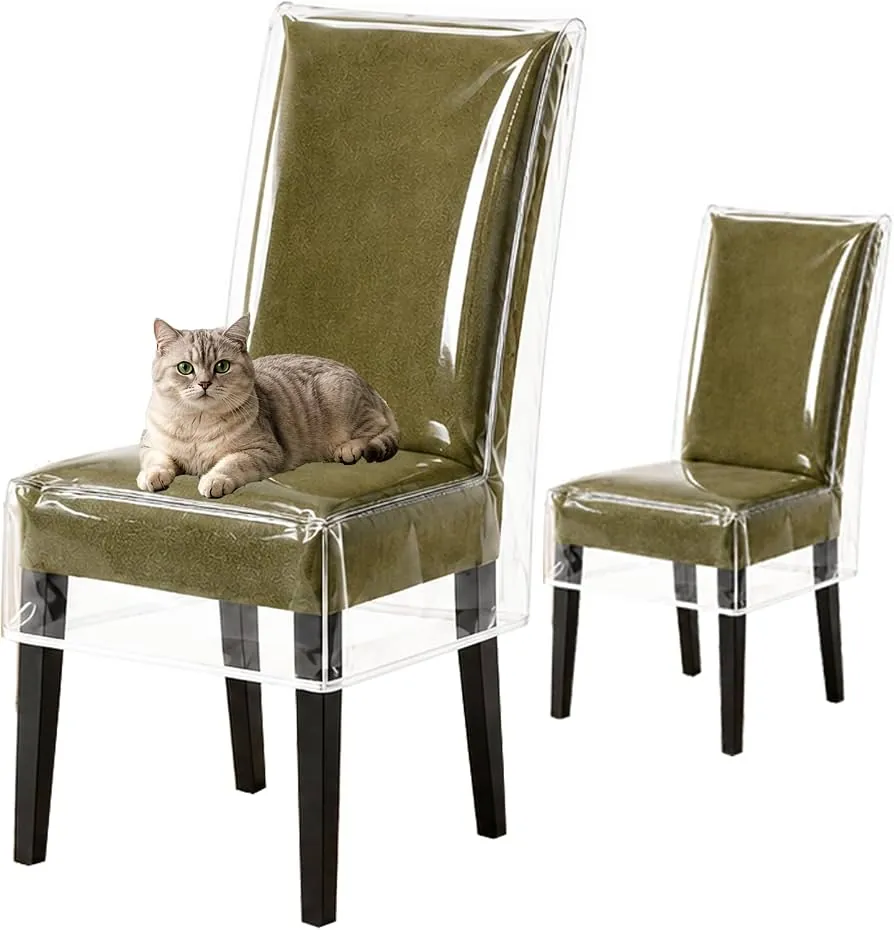
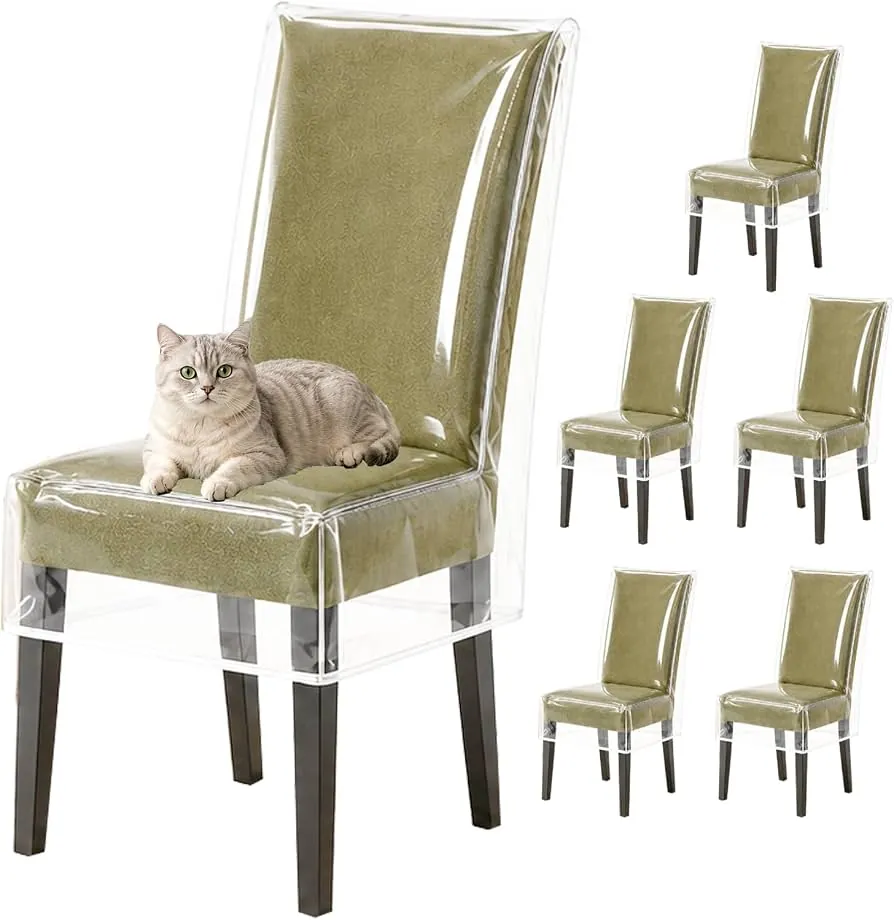
Upholstery is highly susceptible to moisture, dust, and tearing. First, cover the seat cushion with a layer of acid-free paper, then wrap the entire chair in a plastic furniture cover or a heavy-duty moving blanket. If you use plastic wrap, ensure the fabric can breathe; trapping moisture inside plastic for long periods can lead to mold or mildew growth.
Pro Tip: If you’re moving during a humid season, place a small desiccant packet near the seat cushion inside the wrapping to absorb excess moisture and keep the fabric fresh.
Securing Items in the Truck
Where you place the chairs matters as much as how you wrap them. Don’t place heavy boxes on top of your chairs, even if they look sturdy. Instead, group your chairs together against a wall of the truck, preferably in a corner where they can be strapped to the wall rails. Use tie-down straps to keep them upright and prevent them from tipping over during sudden stops or turns.
Managing Hardware and Small Parts
Losing a single bolt can render a chair unusable. To prevent this, tape your hardware bags to the largest piece of the chair, such as the backrest or the underside of the frame. If you have many chairs, label each bag with a permanent marker, identifying exactly which chair the parts belong to, such as “Chair 1, Seat Bolts.”
Essential Supplies for Success
- Heavy-duty moving blankets
- Small-cell bubble wrap
- High-tack packing tape
- Acid-free packing paper
- Industrial-grade stretch wrap
- Permanent markers
Related guides
- How Many Dining Room Chairs Do I Need for Your Table Size
- 10 Best Gray Accent Chairs for Your Living Room Upgrade
- How to Choose Chairs for a Conference Room: Expert Guide
Frequently Asked Questions
Can I leave the seat cushions attached?
Yes, you can leave seat cushions attached provided they’re screwed into the frame. If they’re held on by clips or tension, it’s safer to remove them to prevent them from popping off during the move. Always wrap the seat separately in plastic to protect the fabric from dirt and potential tears during the loading process.
Is it safe to stack chairs?
Stacking is generally discouraged unless the chairs are specifically designed to be stackable. If you must stack them, use a thick layer of cardboard or a moving blanket between the two chairs to prevent the legs of the top chair from scratching the seat of the bottom chair. Never stack more than two chairs high to avoid tipping risks.
How do I prevent wood from scratching?
The best way to prevent scratches is to ensure that no part of the chair touches another hard surface directly. Use multiple layers of paper padding or bubble wrap on all contact points. Avoid letting the tape touch the wood, as the adhesive can pull off the finish or stain the wood grain over time.
What if I have antique chairs?
Antique chairs require extra care because the wood may be brittle. Use acid-free paper as the first layer to prevent chemical reactions with the finish. Avoid using any plastic wrap directly on antique wood, as it can trap moisture and cause the finish to cloud or peel. Use only high-quality cotton moving blankets for the outer protective layer.
Should I hire professional movers?
Hiring professionals is recommended if you have high-value, fragile, or antique dining room chairs. Professionals have specialized crates and equipment that provide superior protection compared to standard DIY methods. If you choose to do it yourself, ensure you have plenty of padding and enough hands to help move the chairs into the truck without dragging them across the floor.
Conclusion
Following these steps ensures your dining room furniture arrives at your new home in the same condition it left. Start by gathering your supplies and clearing a dedicated space to work, then move through your chairs one by one to ensure consistency. Once everything is wrapped and ready, load them into the truck last or secure them firmly to the side walls to guarantee a smooth and damage-free arrival.