
The most reliable way to select furniture is to prioritize ergonomic support, as choosing chairs for a conference room effectively depends on matching the seat’s adjustability to the average length of your meetings. If you hold short, 30-minute briefings, simple fixed-frame chairs work well. For sessions lasting over two hours, you must use chairs with adjustable lumbar support to prevent back strain.
Comparing conference room seating styles
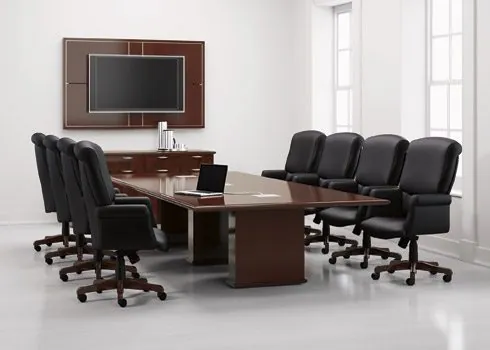
To make the right decision, you must consider the duration of your meetings and the physical space available. Each option offers a different balance of comfort and utility.
| Method | How long | Effort | Cost | Best for |
|---|---|---|---|---|
| Task Chairs | 4+ hours | Medium | Medium | Long meetings |
| Stacking Chairs | 1 hour | Low | Low | Flexible spaces |
| Executive Chairs | 2-3 hours | High | High | Boardrooms |
If you have a small, multi-use room, choose stacking chairs to save space. If you’re fitting out a permanent boardroom, invest in task chairs for better support.
Selecting ergonomic task chairs
These chairs are designed for people who sit for long periods. They provide the most support for the spine and neck.
- Adjust the seat height so your feet remain flat on the floor.
- Set the lumbar support to fit the natural curve of your lower back.
- Move the armrests to a height that keeps your shoulders relaxed.
- Test the recline tension to ensure it holds your weight comfortably.
These chairs are excellent for deep-focus work or long discussions. A common mistake is buying chairs without adjustable depth, which forces people with shorter legs to sit awkwardly. This error often leads to poor circulation and leg pain during long sessions.
Using stacking chairs for versatility
Stacking chairs are lightweight and easy to store when you need to clear the floor. They’re ideal for training rooms or offices that change layout often.
- Check the frame material to ensure it can hold the weight of your users.
- Ensure the seat has at least 1 inch of foam padding for basic comfort.
- Align the chairs in rows to maximize seating capacity.
- Stack them vertically in a closet when the room is empty.
These chairs are perfect for quick, informal gatherings. A major limit is the lack of head or arm support, which makes them unsuitable for meetings that run past 60 minutes.
Choosing luxury executive seating
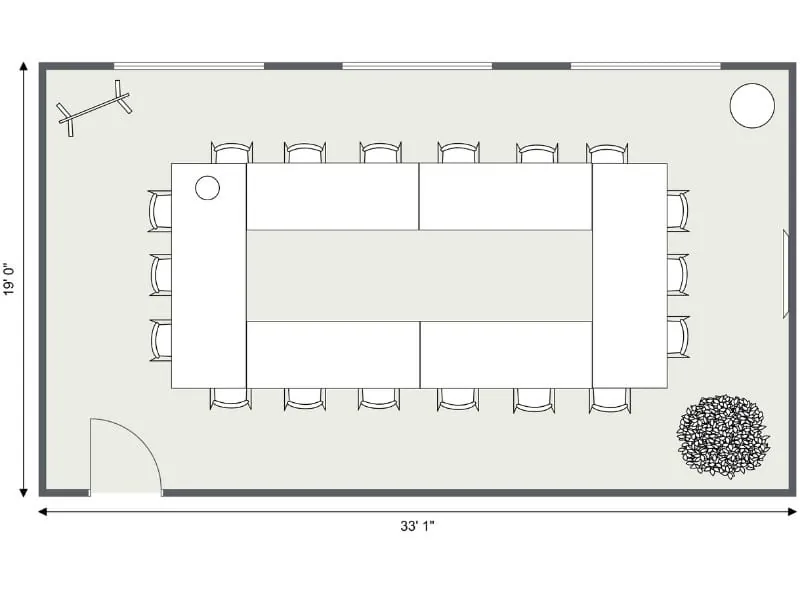
Executive chairs offer a professional look and high-quality materials like leather or mesh. They usually feature high backs and heavy padding.
- Measure the width of your table to ensure the chairs fit without overcrowding.
- Choose a base with five wheels to keep the chair stable when moving.
- Engage the tilt lock mechanism to keep the backrest in a fixed, upright position.
- Clean the upholstery according to the manufacturer’s instructions to maintain the finish.
These chairs signal status and provide comfort for board-level meetings. However, they’re often bulky and difficult to move, making them a poor choice for small rooms.
How to pick the right conference chairs
When you’re in a hurry, buy a set of high-quality stacking chairs because they arrive ready to use and are easy to deploy. If you’re doing this for the first time, choose ergonomic task chairs with neutral colors, as they provide the best balance of comfort for any user. If you want the best possible result regardless of the cost, hire a consultant to measure your room and select custom seating. The trade-off is always between mobility and comfort; high-comfort chairs are hard to move, while mobile chairs rarely offer full-day support.
Standards for office safety
Regardless of the chair you pick, you must ensure the furniture meets industry safety standards. The ANSI/BIFMA X5.1 standards provide the baseline for durability and safety in office furniture. Before you buy, check that the chairs have been tested for load-bearing capacity, which varies by model; always confirm the weight limit for your specific choice. Prepare your floor surface first, as casters can scratch wood or get stuck on thick carpet. At the end of the process, sit in the chair for at least 15 minutes to confirm the adjustments work for your body type.
Related guides
- My Honest Review: Gaming Chair – 2026 Guide
- My Honest Review: Gaming Chair – 2026 Guide
- My Honest Review: Gaming Chair – 2026 Guide
Frequently Asked Questions

Can I use dining chairs in a conference room?
No, you should avoid dining chairs because they lack the ergonomic adjustments needed for professional work. They’re built for short meals, not for long meetings, and often fail to support the lumbar region properly.
How much space should be between chairs?
You need at least 24 inches of space between the centers of each chair to ensure people don’t bump elbows. This measurement depends on the width of the chair base, so check your specific model’s dimensions.
Is it safe to buy used chairs?
Yes, it’s safe if you check the gas cylinder and frame for rust or damage. Always test the height adjustment lever to ensure it holds pressure before you commit to a purchase.
What happens if I buy chairs that are too large?
If you buy chairs that are too large, you’ll limit the number of people who can sit at your table. This creates a cramped environment that makes it difficult for participants to take notes or use laptops.
How long should conference chairs last?
Most commercial-grade chairs remain functional for a significant duration with daily use. This lifespan depends on the quality of the materials and how often the chairs are moved and adjusted by different users.
Conclusion
Before you finalize your order, bring a few samples into your workspace to test them out. It’s worth spending an afternoon sitting in each option to see how they feel during real conversations. You’ll find that the right choice makes your team feel more comfortable and ready to collaborate every day.