
You can write an effective listing by providing the exact measurements, material, and condition of your furniture. Describing a sofa for sale accurately helps buyers feel confident before they message you. Focus on the facts rather than your personal feelings to help the right person find your item.
How to describe your sofa for sale
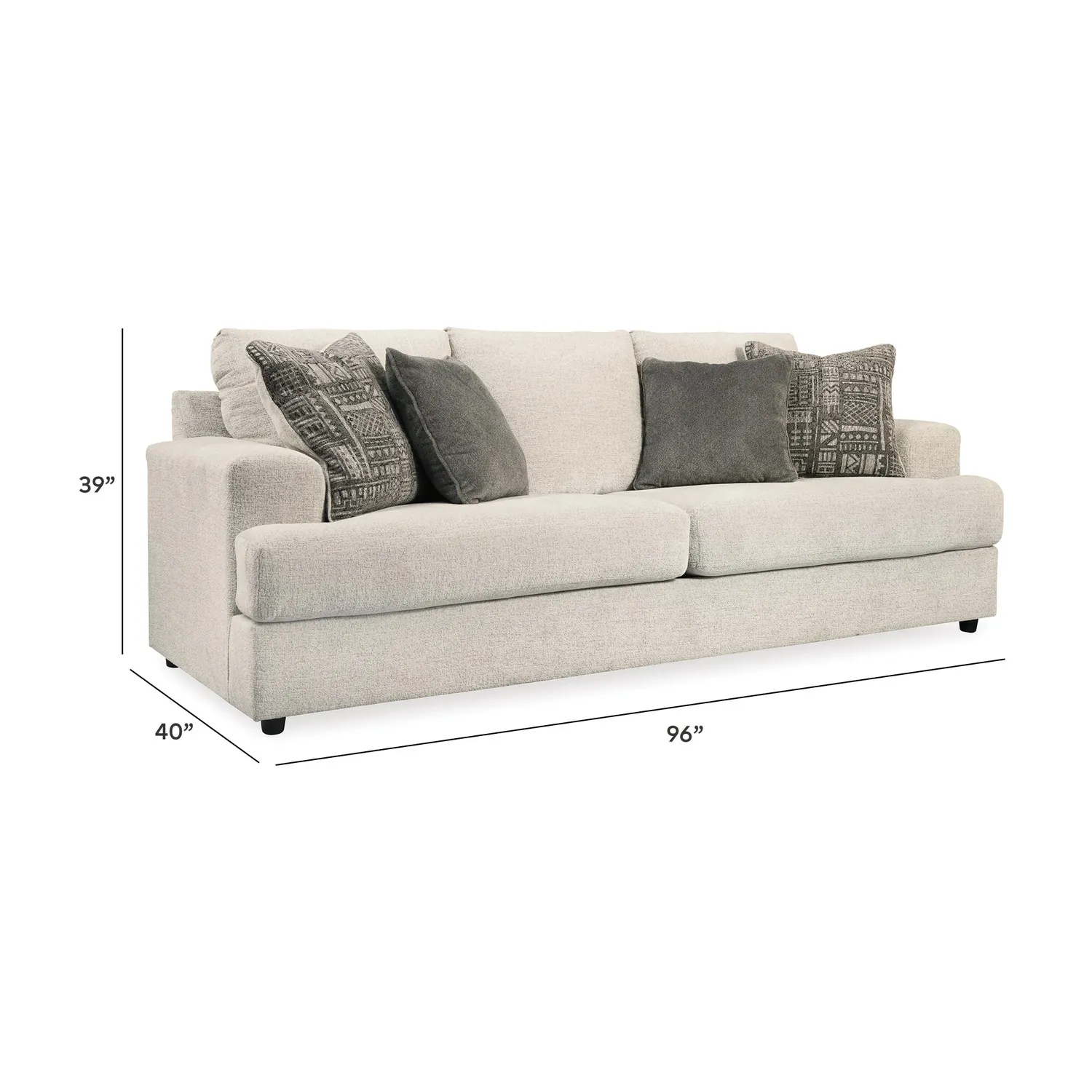
Use this table to organize the key information that buyers look for in every listing.
| Feature | Best for | Example |
|---|---|---|
| Dimensions | Fitting into a room | 84 inches wide by 36 inches deep |
| Material | Setting expectations | Top-grain leather or polyester blend |
| Condition | Managing expectations | Minor scratches on the left armrest |
| History | Building trust | Used in a smoke-free home |
| Comfort | Describing the feel | Firm seat cushions with plush back |
Listing the exact measurements
Providing precise dimensions is the most important step because it stops buyers from asking you to measure it later. You need a tape measure to get the total width, depth, and height of the frame. If the sofa has removable legs or back cushions, measure with and without them to help buyers who have narrow doorways.
- Width: Measure from the outer edge of one arm to the other.
- Depth: Measure from the front of the seat cushion to the back frame.
- Height: Measure from the floor to the highest point of the backrest.
If you’re unsure of the exact size, check the manufacturer’s original product page or look for a label under the cushions.
Identifying the material
If the sofa is leather, specify if it’s genuine, bonded, or faux, as these materials age differently. For fabric, describe the texture and note if the covers are removable and machine washable.
- Leather: Note any cracking, fading, or peeling on the surface.
- Fabric: Mention if it’s a weave, velvet, or microfiber.
- Maintenance: State if it’s pet-friendly or resistant to stains.
Explaining the condition
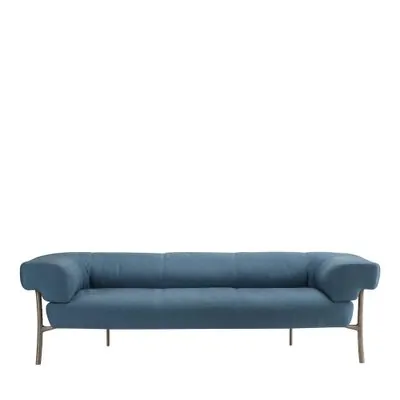
Honesty about the condition of your furniture prevents arguments when the buyer arrives for pickup. Be specific about any flaws like pet hair, stains, or worn springs, and always include a clear photo of the damage. If the sofa is in “like-new” condition, explain why you’re selling it, such as moving or redecorating.
- Stains: List the size and location of any visible marks.
- Structure: Note if the frame creaks or if the springs sag.
- Odors: Confirm if the item comes from a home with pets or smokers.
If a sofa has deep structural damage, it isn’t for someone looking for a “ready-to-use” piece.
Highlighting comfort and use
Describe how the sofa feels to sit on, as this is the one factor that photos can’t show. Mention if the cushions are firm, medium, or soft, and if the back provides good support for long periods of sitting. This helps the buyer decide if the piece fits their lifestyle.
- Seat feel: Use words like “supportive,” “sink-in,” or “plush.”
- Back support: Note if the cushions stay in place or slide.
- Usage: State if it was a primary living room piece or an accent.
If you have pets, mention if you kept the sofa covered to protect the fabric.
Other important listing details
- Pickup requirements: State clearly if the buyer must move the item themselves or if you can help load it.
- Payment methods: List the forms of payment you accept, such as cash or digital transfers, to avoid confusion.
- Assembly status: Mention if the sofa comes in one piece or if it requires tools to be taken apart.
Deciding which details matter most

Your description depends on the age and quality of the sofa. If you’re selling a high-end designer piece, focus on the brand name and the original purchase year. If you’re selling a budget item, focus on the dimensions and how easily it fits into a small apartment. A “like-new” sofa needs a focus on aesthetics, while an older, well-loved sofa needs a focus on structural integrity. Combining these details helps provide a comprehensive overview for the buyer.
Frequently asked questions
How long should the description be?
Keep the description concise and focused on the facts to ensure the buyer reads every detail. A short, punchy list of facts is more effective than a long personal story about the sofa.
Is it safe to include my address?
Don’t include your home address in the public description for safety reasons. Only share your exact location with a serious buyer once you have agreed on a time for them to view the item.
What happens if the buyer finds a flaw I missed?
If a buyer finds a flaw during inspection, be prepared to negotiate the price or let them walk away. It’s better to lose a sale than to force a transaction on a disappointed person.
Does it matter if I don’t have the original receipt?
It doesn’t matter, but if you have it, mention it to prove the age and authenticity of the sofa. If you don’t have it, simply focus on the current state of the piece.
How do I price my sofa for sale?
Check local online marketplaces for similar models in the same condition to set a fair price.
How often should I update the listing?
Update the listing periodically if you haven’t received any messages. You can try lowering the price or adding new photos to attract fresh interest from potential buyers.
Conclusion
Start by taking clear photos in daylight, then write your description using the steps above. A clean, well-lit sofa with a detailed, honest description usually sells within one week. If you don’t get any messages, consider adjusting your price or the photos.
Related guides