
Measuring the depth of a chair involves identifying the distance from the front edge of the seat cushion to the backrest to ensure ergonomic comfort and proper fit for your body. This dimension determines how much support your thighs receive and whether your back can maintain contact with the lumbar support without the front edge cutting into the back of your knees.
Key Takeaways
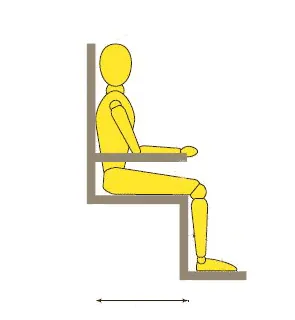
- Measure from the front of the seat cushion to the point where it meets the backrest.
- Ensure you’re sitting upright with your back flush against the chair to identify your ideal depth.
- A proper seat depth allows for two to three inches of clearance between the seat edge and your calves.
- Use a flexible measuring tape for curved seats to ensure accuracy across the entire surface.
- Incorrect seat depth often leads to slouching or poor circulation in the lower extremities.
How To Measure Depth Of Chair
To accurately determine seat depth, place the end of your tape measure at the very front edge of the seat cushion. Extend the tape straight back until it reaches the vertical plane of the backrest.
If your chair has a curved or contoured back, measure to the point where your lower back naturally rests against the support structure. For office furniture, you may need to account for the adjustable seat slide mechanism, which allows you to modify this distance to accommodate different leg lengths.
Essential Measuring Tools
To get the most precise results, you should use specific, reliable tools that allow for flexibility and clear markings. Avoid using rigid yardsticks on upholstered chairs, as they may compress the foam and provide an inaccurate reading.
| Tool Name | Best Used For | Accuracy Level |
|---|---|---|
| Flexible Tape | Curved or soft cushions | High |
| Metal Tape Measure | Firm wood or plastic seats | Medium |
| Laser Distance Meter | Large lounge chairs | High |
Why Does Seat Depth Matter?
The depth of your chair directly influences your posture and long-term musculoskeletal health. If the seat is too deep, you’ll likely slide forward to reach the floor, losing the benefit of the backrest. Conversely, if the seat is too shallow, your thighs will lack adequate support, shifting too much weight onto your sit bones. According to the Occupational Safety and Health Administration, properly adjusted seating is essential for maintaining neutral body positions while performing tasks at a workstation.
Finding Your Ideal Seat Depth
To find your personal fit, sit all the way back in the chair with your feet flat on the floor. Use your hand to check the gap between the front edge of the seat and the back of your knees. You should be able to fit approximately three fingers or roughly two inches of space between the chair and your legs. This gap prevents the seat from pressing against the popliteal area, which contains sensitive nerves and blood vessels.
Measuring Chairs With Cushions
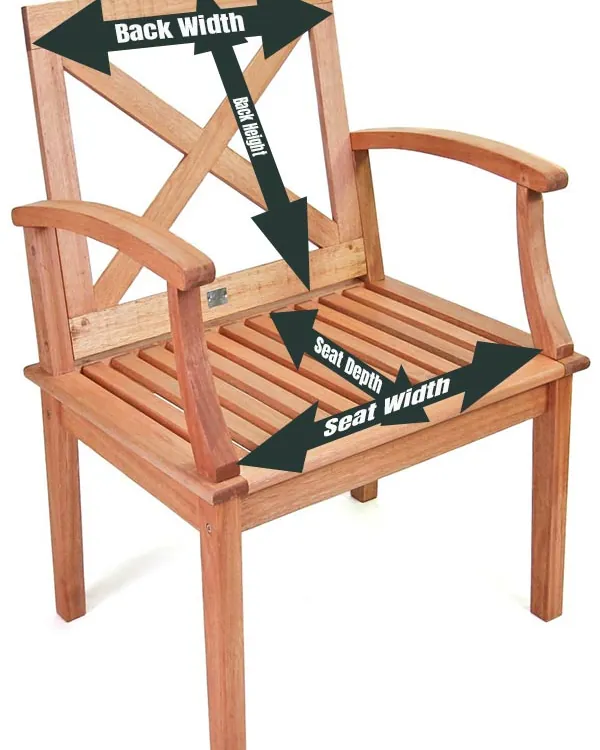
When dealing with plush or overstuffed seating, the “effective” depth is what matters most. Sit in the chair normally to allow the foam to compress under your weight. While in this position, have an assistant measure the distance from the front edge of the cushion to the backrest. This technique accounts for the compression factor, ensuring you don’t overestimate the usable space provided by the padding.
Troubleshooting Common Measurement Issues
If you struggle to get a consistent number, check for these common pitfalls:
- Backrest Angle: If the back reclines, the effective depth changes; always measure with the chair locked in its primary working position.
- Cushion Slope: Some seats are sloped; measure the depth at the mid-point of the cushion rather than the edges.
- Obstructions: Decorative trim or frame edges can skew results; measure the flat surface area where your legs actually rest.
| Problem | Likely Cause | Suggested Solution |
|---|---|---|
| Seat feels too long | Incorrect frame size | Add a lumbar cushion |
| Seat feels too short | Improper posture | Adjust seat height first |
| Uneven depth | Worn-out foam | Replace seat padding |
Can You Modify Seat Depth?
Yes, you can often compensate for an incorrect measurement using external accessories. If a chair is too deep, a firm lumbar pillow can push your torso forward, effectively shortening the reach to the front edge.
If a chair is too shallow, you may need to look for a seat extender or a different chair model that offers a deeper pan. Ergonomic office chairs often feature a seat pan that slides forward or backward, which is the most effective way to solve this issue without needing external cushions.
Choosing The Right Chair Type
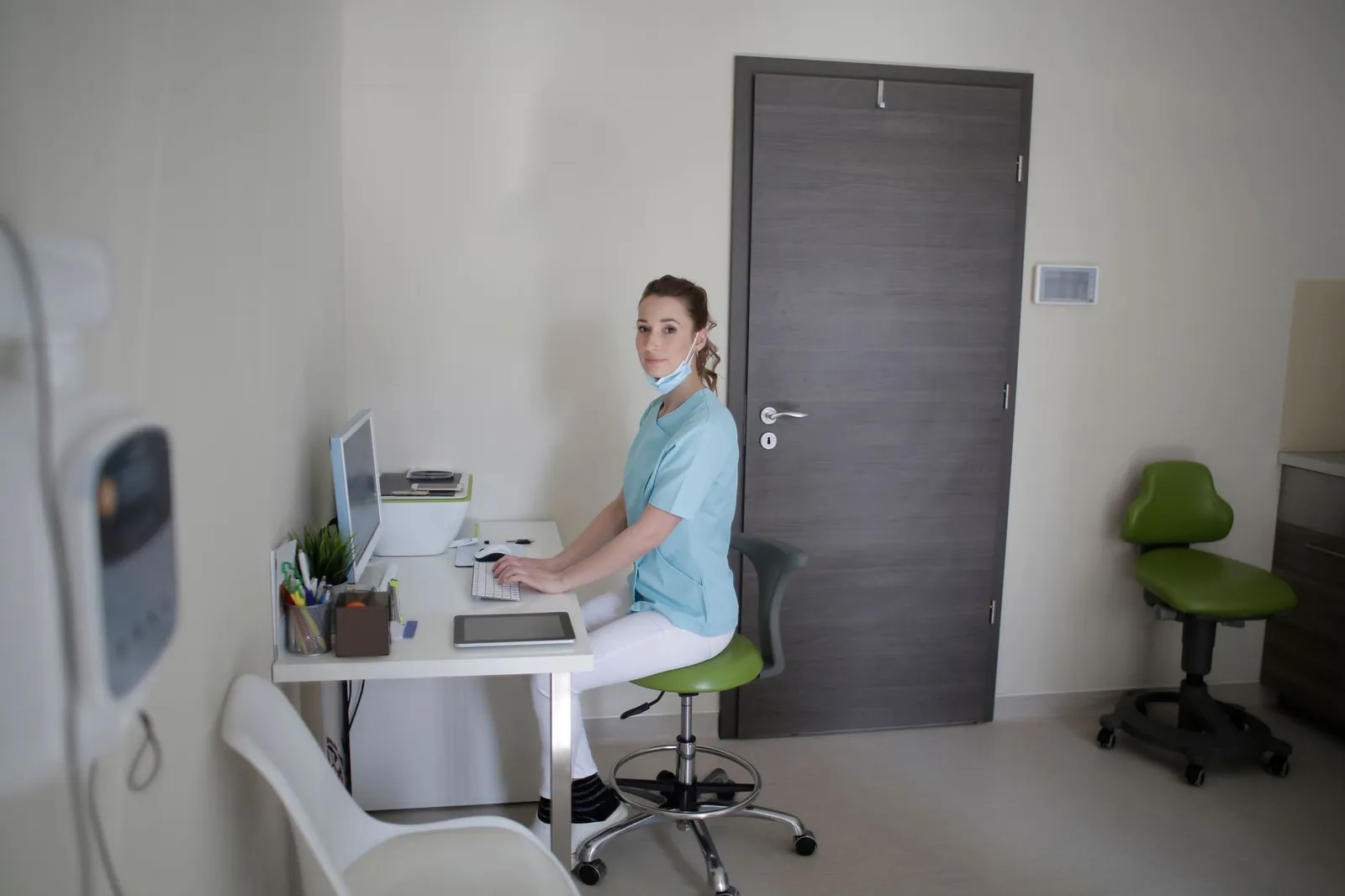
When purchasing new furniture, consider the depth requirements based on the intended use. Lounge chairs often have deeper seats to encourage a reclined posture, while task chairs require a shallower depth to support an upright, active working position. Always check the product specification sheet from the manufacturer to see if the seat depth is listed as a fixed or adjustable dimension before making a final investment.
Frequently Asked Questions
Does seat depth include the backrest?
No, the measurement starts at the front edge of the seat cushion and ends at the point where the seat meets the backrest. You shouldn’t include the thickness of the backrest itself, as that’s a separate measurement for the overall depth of the furniture frame.
What is the average seat depth?
The average seat depth for standard dining chairs typically ranges from 16 to 18 inches. For office task chairs, the range often extends from 17 to 20 inches, with many modern designs offering adjustable depth settings to accommodate different user heights and leg lengths.
Should my feet touch the floor?
Your feet must be flat on the floor to maintain proper circulation and stability. If your seat depth is correct but your feet dangle, you should adjust the seat height first. If you can’t reach the floor after lowering the chair, use a footrest to support your feet, as this will prevent pressure on the underside of your thighs.
How does seat depth affect posture?
Excessive seat depth forces you to slouch forward to reach the floor, which causes your lower back to pull away from the lumbar support. This loss of contact leads to rounded shoulders and increased strain on the spine. A properly measured seat depth allows you to sit fully back, keeping your spine aligned against the chair’s natural contours.
Can I measure a chair alone?
You can measure a chair alone by using a rigid item like a book to mark the backrest position and a tape measure to track the distance. However, for the most accurate “effective” depth, it’s helpful to have someone else measure while you’re sitting in the chair to account for how the cushion compresses under your body weight.
Conclusion
Once you have identified the proper depth for your needs, compare this figure against the dimensions provided by manufacturers before finalizing your next furniture purchase. Taking the time to verify these measurements now will prevent long-term discomfort and help you maintain better posture during your daily activities at your desk or dining table.