
Finding a good office chair requires focusing on ergonomic adjustability, material quality, and the specific physical support needs of your body. A high-quality chair is an investment in your long-term health, typically ranging in price from $300 to $1,500 depending on the brand, materials, and warranty length. By prioritizing features like lumbar support and seat depth over aesthetic design, you can ensure your workspace promotes productivity rather than physical strain.
Key Takeaways

- Prioritize dynamic lumbar support that adjusts to your spine’s natural curve.
- Ensure the seat depth allows for a two-inch gap between the edge and your knees.
- Check that armrests are width-adjustable to prevent shoulder tension while typing.
- Look for a minimum ten-year warranty as an indicator of build quality.
- Test the chair’s recline tension mechanism for smooth, consistent resistance.
How to find a good office chair
Finding the right chair is a process of matching technical specifications to your body proportions. You should avoid chairs that offer only height adjustment, as these rarely accommodate the nuances of human spinal alignment. Instead, seek out seating that offers at least four points of adjustment: seat height, seat depth, armrest position, and backrest angle. These components allow you to create a neutral posture that minimizes pressure on your discs and joints.
| Feature | Why It Matters | Adjustment Range |
|---|---|---|
| Seat Height | Feet must be flat | 16 to 21 inches |
| Seat Depth | Thigh circulation support | 2 to 4 inches |
| Lumbar Depth | Lower back alignment | 1 to 3 inches |
| Armrest Width | Shoulder muscle relief | 2 to 5 inches |
Understanding ergonomic chair standards
When evaluating chairs, look for compliance with industry standards to ensure safety and durability. The ANSI/BIFMA office furniture standards provide a technical framework for how chairs are tested for structural integrity and ergonomic performance. Chairs that meet these certifications are designed to withstand years of daily use in professional environments, ensuring that the gas lift, casters, and frame don’t fail prematurely under normal office conditions.
What materials should you choose?
The upholstery of your chair affects both comfort and temperature regulation. Mesh is often preferred for hot environments because it provides superior breathability and airflow. Conversely, high-density foam with fabric upholstery offers a more cushioned, stable feel that some users find more supportive over long periods. Avoid cheap, thin synthetic leather, as it tends to crack and trap heat, leading to discomfort during extended work sessions.
Assessing lumbar support systems
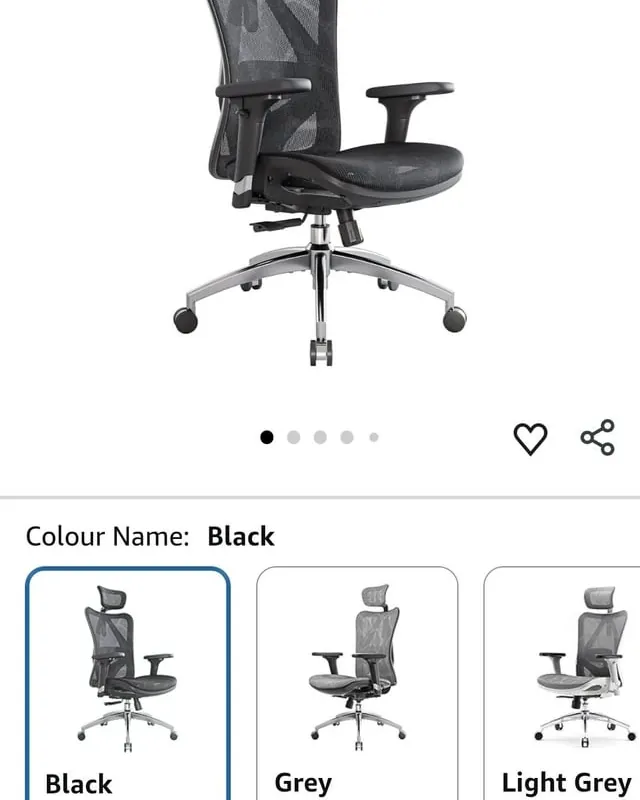
Lumbar support is arguably the most critical component of a functional office chair. A good chair should provide firm support for the inward curve of your lower back. Look for systems that allow you to move the support pad up or down, as well as adjust the protrusion level. If the support is static and doesn’t align with your specific lumbar curvature, it can cause more harm than good by pushing your pelvis out of alignment.
Does seat depth actually matter?
Most people ignore seat depth, yet it’s the primary cause of poor circulation in the lower legs. If your seat is too deep, the edge will press against the back of your knees, cutting off blood flow and causing numbness. If it’s too shallow, your thighs won’t have enough support, putting extra pressure on your sit bones. Aim for a seat that allows about two inches of space between the front edge and your popliteal fossa.
| Material Type | Pros | Cons |
|---|---|---|
| Performance Mesh | Breathable, lightweight | Can feel firm |
| High-Density Foam | Plush, supportive | Retains body heat |
| Bonded Leather | Professional aesthetic | Peels over time |
Testing chair mechanisms and movement
A quality chair should move with you. The recline mechanism should feel fluid, allowing you to shift your weight without feeling like you’re falling backward. Most premium chairs use a synchro-tilt mechanism, which reclines the backrest at a different ratio than the seat, keeping your feet planted on the floor while you lean back. This design reduces the pressure on your thighs and encourages natural movement throughout the day.
Budgeting for long-term comfort
While it’s tempting to purchase the cheapest option available, the cost of a poor chair is often paid in physical therapy or lost focus. If your budget is limited, look for refurbished models from reputable manufacturers like Herman Miller, Steelcase, or Haworth. These brands build their products to last for decades, meaning a used model is often superior to a brand-new, low-end chair found in big-box stores.
Pro Tip: Always check the chair’s weight capacity rating before purchasing to ensure the gas cylinder and base are rated for your specific body mass.
Troubleshooting common adjustment errors
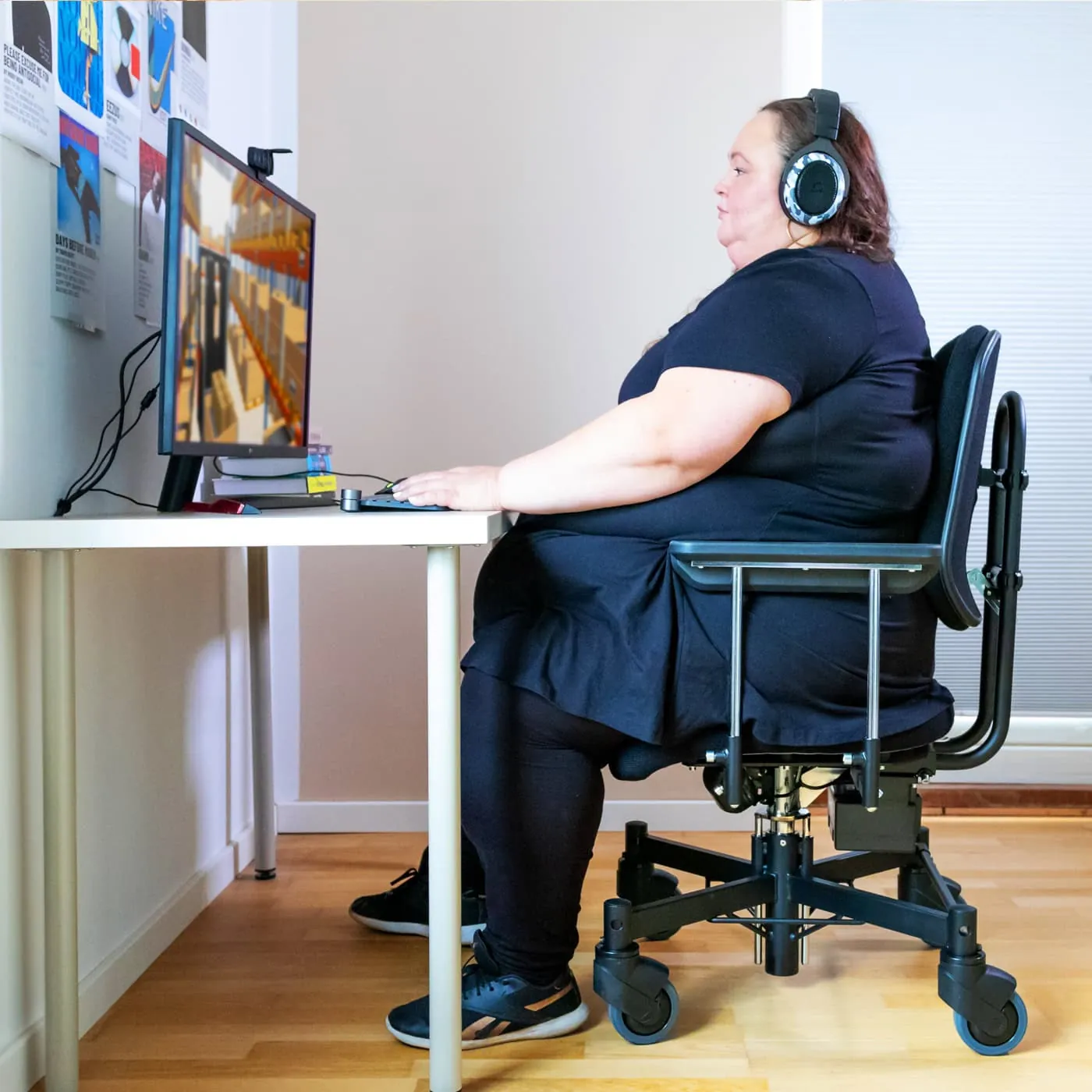
If you find yourself constantly shifting, your chair is likely misconfigured. Start by setting your feet flat on the floor; if your legs dangle, you need a footrest rather than a lower chair. Ensure your elbows are at a ninety-degree angle when your hands are on the keyboard, which prevents carpal tunnel strain. If your upper back hurts, your armrests might be set too high, forcing your shoulders into a constant shrug.
Warning: Never attempt to replace the gas cylinder of an office chair yourself unless you have the proper tools, as these are pressurized components that can be dangerous if mishandled.
Related guides
- 10 Best Full Body Massage Chair Picks for Your Home Comfort
- 10 Best Full Body Massage Chairs for Your Home Comfort
- My Honest Review: Office Desk Chair – 2026 Guide
Frequently Asked Questions
How long should a chair last?
A high-quality office chair should last between seven and twelve years with daily use. Premium manufacturers often provide warranties covering this duration, specifically for the frame, mechanism, and gas cylinder. If your chair begins to wobble or the seat cushion loses its shape significantly within the first few years, it’s likely a sign of poor manufacturing quality or the use of low-density foam.
Can a chair fix back pain?
A chair cannot “fix” existing medical conditions, but it can significantly reduce the strain that leads to chronic discomfort. By maintaining the natural S-curve of your spine and distributing your weight evenly, a proper chair prevents the slouching that exacerbates lower back issues. If you suffer from severe pain, you should consult a medical professional to determine if a specific ergonomic setup is right for you.
What is synchro-tilt?
Synchro-tilt is a mechanism where the backrest reclines at a different rate than the seat, usually a 2-to-1 ratio. This allows you to recline while keeping your feet firmly planted on the floor. It prevents the seat edge from lifting behind your knees, which is a common problem in cheaper chairs, and helps maintain a constant, healthy angle between your torso and your thighs.
Is mesh better than foam?
Neither is objectively “better,” as the choice depends on your personal preference and environment. Mesh is excellent for heat dissipation, making it ideal for warmer offices or users who tend to overheat. Foam provides a more structured, cushioned experience that feels more “enveloping.” If you choose foam, ensure it’s high-density to prevent it from bottoming out and losing its supportive properties after only a few months.
Start by measuring the height of your current desk and the distance between your knees and the floor to create a baseline for your needs. Visit a local office furniture showroom to sit in a few high-quality models, even if you plan to purchase online, to identify the specific features that provide you with the most immediate relief.