
Decorating with accent chairs is simple when you place them in unused corners, pair them with side tables, or use them to create a conversation zone. The result depends on traffic flow, chair scale, and your color palette.
Ideal homes for accent chairs
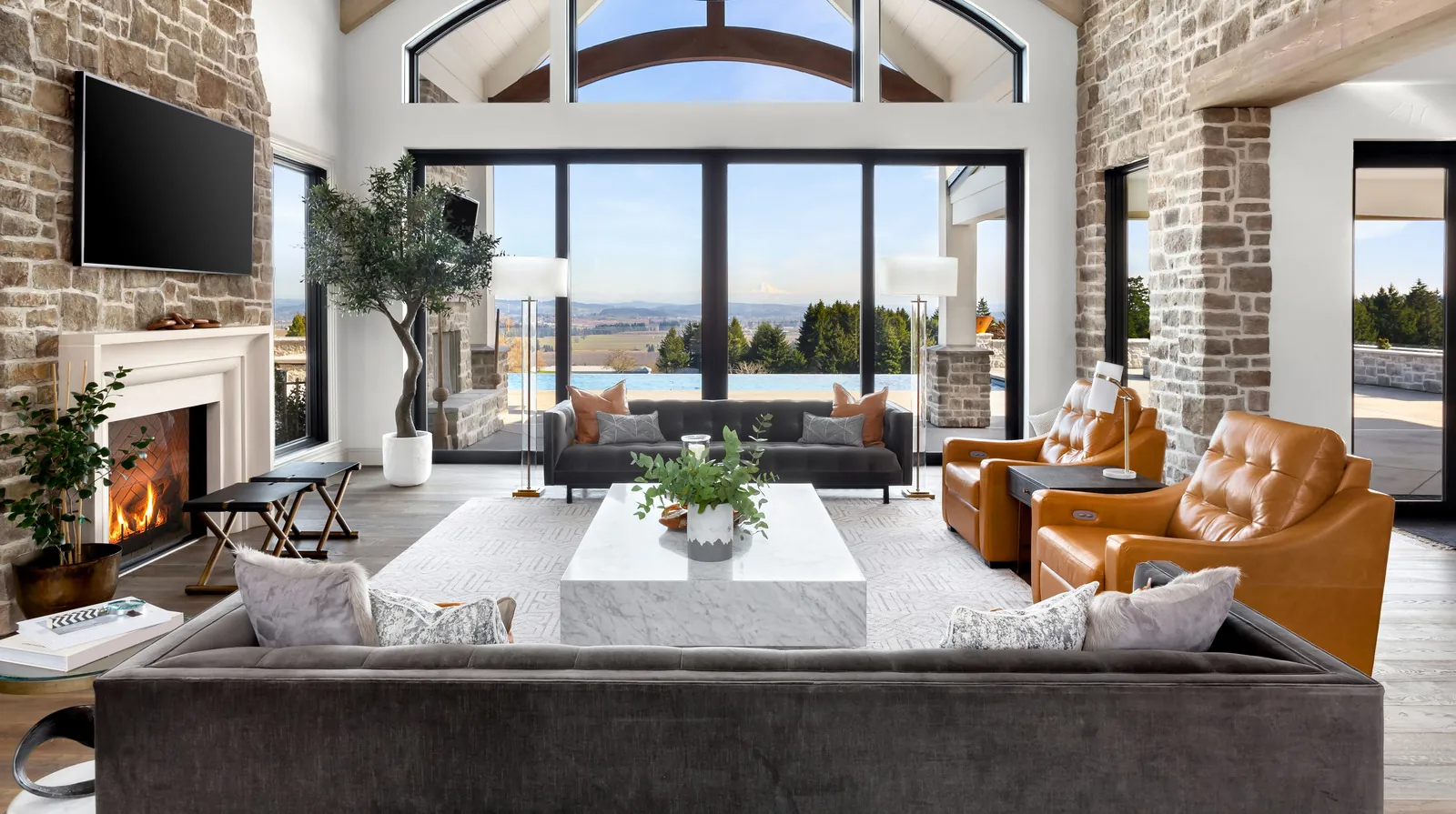
This guide is for people who have a living space that feels unfinished or needs more seating without adding a bulky sofa. It serves those who want to balance a room’s visual weight. For home renovations or structural changes, consult a professional designer.
Factors that change your layout
Room size dictates how many chairs you can add. In a small space, a single chair with thin legs keeps the floor visible, which makes the room feel larger. Large rooms, however, require chairs with more substance or a pair of matching seats to avoid feeling empty.
Traffic flow is another key element. Blocking paths to doors or windows makes a chair a nuisance. Avoid chairs significantly taller than your sofa to prevent visually cutting the room in half.
How to arrange your seating
- Clear the corner or wall space where you plan to place the chair.
- Position the chair at a 45-degree angle toward the main seating area to invite conversation.
- Place a side table within 12 to 18 inches of the chair so there’s a reachable spot for a drink or book.
- Add a floor lamp behind or to the side of the chair if that corner lacks natural light.
- Check if the chair height aligns with your other furniture; the seat height should be within 2 inches of your sofa’s seat height for visual balance.
- Sit in the chair to confirm you have enough legroom and that the angle feels natural.
- Adjust the rug placement; ensure at least the front two legs of the chair sit on the rug to ground the piece in the room.
A professional look depends on visual weight. Heavy chairs need lighter tables; delicate chairs handle heavier tables.
Layout options at a glance
| Situation | Placement | Effort | What to watch for |
|---|---|---|---|
| Small apartment | Corner nook | Low | Blocking traffic paths |
| Large living room | Facing sofa | High | Matching scale/size |
| Reading area | Near window | Medium | Direct sunlight fading |
| Narrow hallway | Against wall | Low | Clearance for walking |
Getting the details right
Balancing colors and textures
Use accent chairs to introduce new colors or textures. If your sofa is neutral, choose a chair in a bold pattern or a rich fabric like velvet to draw the eye. Avoid matching the chair fabric to the sofa to prevent a showroom look.
Maintaining proper spacing
Successful layouts leave enough space for movement. Keep pairs of chairs 24 to 36 inches apart for a shared table.
Common layout mistakes
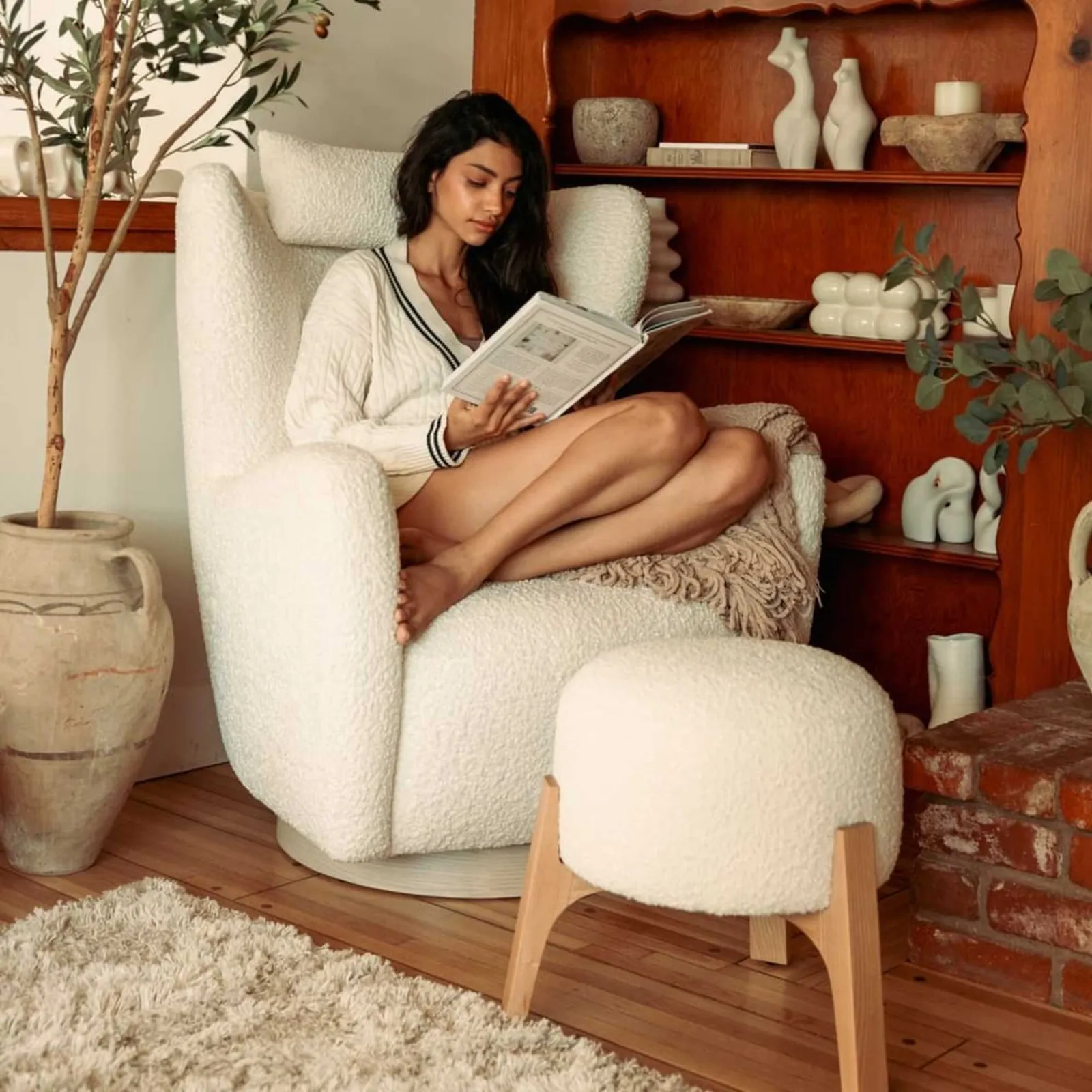
| What you notice | What it usually means | What to do first | How to stop it |
|---|---|---|---|
| Chair feels isolated | No anchor nearby | Add a rug under | Use a side table |
| Room feels cluttered | Too many legs | Clear the floor | Use a solid base |
| Chair looks tiny | Scale is off | Add a pillow | Use taller lamps |
| Path is blocked | Poor placement | Move the chair | Measure walkways |
Rules for furniture safety
Furniture stability is vital. The Consumer Product Safety Commission provides guidelines on tip-over prevention, which is relevant if you have heavy chairs or small children in the house. Always ensure your chair sits flat on the floor without wobbling. Use felt pads on hardwood or tile to protect floors and prevent sliding. Check the manual for recliners to ensure proper wall clearance.
Costs and trade-offs
Accent chair costs vary by materials and construction. A basic wooden chair is quite affordable, while a custom-upholstered piece is significantly more expensive. If you’re on a budget, look for high-quality secondhand frames that you can reupholster.
Keeping your chairs looking new
Vacuum chairs as needed to remove dust. Check fabric tags for cleaning codes before using liquids. Rotate seat cushions to distribute wear. Blot stains immediately; never rub. If the chair frame feels loose, check the bolts and tighten them with a standard hex key to prevent structural damage.
When to avoid this approach
If your room is purely for high-traffic entertaining or has very limited space, an accent chair might be the wrong choice. If you’re dealing with a room that’s already crowded with multiple sofas, adding more chairs will make the space feel cramped.
Frequently asked questions
How much space do I need for an accent chair?
You need a footprint of at least 30 by 30 inches for the chair itself, plus an extra 24 inches of clearance in front for legroom and movement.
Can I mix patterns with my sofa?
Yes, you can mix patterns if you keep the scale different; choose a large-scale pattern for the chair if your sofa is solid or has a very small, subtle texture.
How do I know if a chair is comfortable?
A comfortable chair has a seat depth between 19 and 21 inches, which allows most adults to sit back while keeping their feet flat on the floor.
Does the chair need to match the sofa wood?
No, you don’t need to match wood tones, but you should try to keep the “temperature” of the wood similar, such as pairing warm-toned oak with other warm-toned pieces.
What is the best height for an accent chair?
The seat height should be within 2 inches of your sofa’s seat height to create a balanced look when you’re sitting in the room with guests.
Is it safe to put a chair near a fireplace?
It’s safe if you maintain a distance of at least 3 feet from the firebox to prevent heat damage to the fabric or risk of fire.
Conclusion
Start by measuring the available corner in your room and marking the floor with painter’s tape to visualize the size. You should expect the room to feel more balanced once the chair is placed. Stop if the chair makes the room feel difficult to navigate.
Related guides