
You can create a versatile living room by placing swivel chairs in open areas where they can easily rotate between conversation groups. These chairs typically require a 30-inch clear circular radius to spin fully without hitting nearby furniture.
Essential Items for Your Setup

To get the best results, you need the right tools and space. Gather these items before you start:
- A tape measure to verify your floor clearance.
- Furniture sliders to test different positions without scratching floors.
- A level to ensure the chair base sits flat on your rug.
- Painter’s tape to mark the chair’s footprint on the floor.
- A rug pad to keep the chair steady on hard surfaces.
If you’re placing the chair on a rug, ensure the pile is low. High-pile rugs can catch the swivel mechanism and cause it to jam over time.
Steps to Position Your Swivel Chairs
- Measure your available space. You need at least 30 inches of clearance around the base to allow for a full 360-degree rotation.
- Clear a central zone in your room. Place the chair between two main seating areas, such as the sofa and the fireplace, to allow it to serve both.
- Check the floor surface. If you have hardwood, use felt pads or appropriate furniture glides to ensure your base won’t damage the finish.
- Position the chair on a flat, even surface. If the floor is uneven, the chair will tilt, which puts stress on the mechanical bearings inside the base.
- Test the rotation. Sit in the chair and spin slowly to see if the fabric or frame touches any side tables or lamps.
- Adjust the placement by moving the chair an inch at a time until it clears all obstacles.
Tip: Never place swivel chairs directly against a wall; they need space to rotate.
Careful: Don’t force the chair if it feels stuck, as this can break the internal ball bearings.
How Your Space Influences the Layout
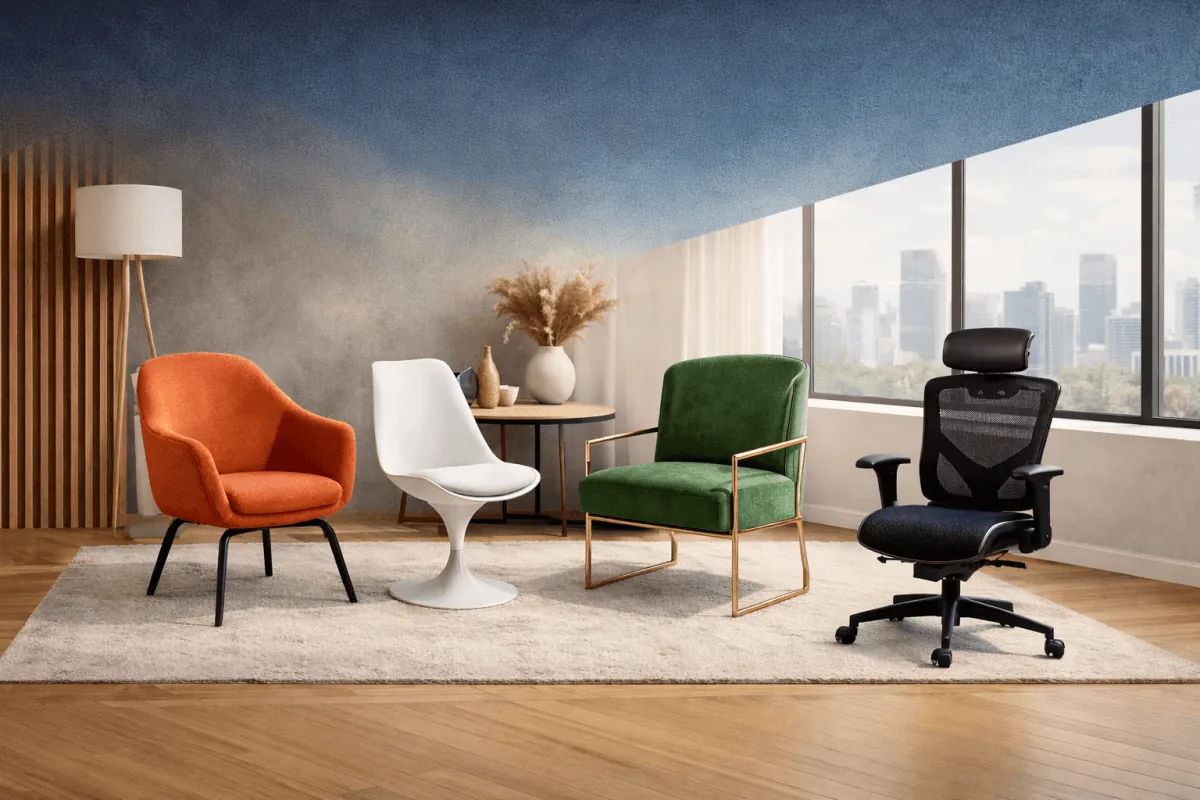
The amount of space you have changes how you should arrange these chairs.
| Situation | Time Required | Effort | What to Watch |
|---|---|---|---|
| Small apartment | 15 minutes | Low | Blocking walkways |
| Large open living room | 30 minutes | Moderate | Balancing the room |
| Home office corner | 10 minutes | Low | Cord management |
| Sunroom or patio | 20 minutes | Moderate | Floor leveling |
It’s always safer to start with the chair in the center of the space and move it outward. Overestimating your space leads to cramped rooms, while starting small lets you find the perfect balance.
Indicators of a Successful Layout
A good result means the chair spins freely without hitting anything. If the chair feels stiff or makes a grinding sound, the base is likely not level or debris is inside the mechanism. This usually happens because the chair is resting on an uneven rug edge or a piece of carpet fiber has entered the swivel race. To prevent this, keep the area around the base clean and ensure the chair sits on a firm, level surface.
Safety Rules and Maintenance
Always follow the manufacturer’s weight limit for your specific model to avoid damaging the base. Once a month, check the bolts on the bottom to ensure they remain tight, as constant rotation can cause them to loosen over time. If the chair starts to squeak, apply a small amount of silicone lubricant to the bearing ring. If you notice structural cracks in the metal base, stop using the chair immediately and contact the manufacturer for a replacement part.
Different Ways to Configure Seating

Paired Swivel Chairs
Placing two chairs side-by-side creates a symmetrical look. This works well opposite a sofa. It makes the room feel balanced and allows two people to turn toward the TV or toward each other with ease.
The Single Anchor Chair
Use one chair as a standalone piece in a corner. This creates a cozy reading nook that can turn to face the room when you have guests. It keeps the space feeling open and airy.
Floating Groupings
Place four chairs around a central ottoman. This removes the need for a traditional sofa. It’s perfect for small rooms where you want to maximize seating without making the area feel heavy or crowded.
Frequently asked questions
How much space do swivel chairs need?
They need a 30-inch clear radius to spin fully without hitting surrounding furniture. Always measure the distance from the center of the chair base to the nearest object to ensure you have enough room for a complete turn.
Can I put a swivel chair on a rug?
Yes, you can, but use a low-pile rug to prevent the swivel mechanism from jamming. A high-pile rug creates too much friction and can trap debris, which makes the rotation feel rough or causes the chair to stick.
How do I stop a swivel chair from squeaking?
You can stop the noise by applying a small amount of silicone-based lubricant to the metal ball bearings in the base. Wipe away any excess oil so it doesn’t drip onto your floor or carpet.
Is it safe to use swivel chairs with children?
Yes, they’re safe if the base is wide and the chair is stable. Avoid lightweight models with small bases, as these can tip over if a child leans too far while the chair is in a rotated position.
How often should I tighten the bolts?
Frequent rotation creates vibrations that can loosen hardware over time, so tightening them as part of your seasonal cleaning routine will keep the chair stable.
What happens if the swivel base breaks?
If the base breaks, stop using the chair immediately to prevent injury. Most manufacturers sell replacement base kits, but you must verify the model number to ensure the new part fits your specific chair frame safely.
Conclusion
Creating a flexible room is all about how you manage your floor space. By keeping the area around your chair clear and ensuring the base remains level, you can enjoy the movement and comfort that these chairs offer for many years.
Related guides