
Matching accent chairs with your existing sofa involves balancing scale, color harmony, and style compatibility to ensure your living room feels cohesive rather than cluttered. You can achieve a professional look by selecting pieces that share at least one common design element, such as a wood tone, a fabric texture, or a specific silhouette. By thoughtfully curating these items, you transform a standard seating area into a balanced, inviting space that reflects your personal aesthetic while maintaining functional flow.
Key Takeaways
- Prioritize scale and proportion to ensure chairs don’t overwhelm the sofa.
- Use a neutral color palette as a base to introduce bolder accent pieces safely.
- Mix textures, such as velvet against linen, to add visual depth without clashing colors.
- Maintain a consistent leg style or finish to unify mismatched furniture pieces.
- Limit accent chairs to two distinct styles to avoid creating a chaotic environment.
How to Match Accent Chairs With Sofa
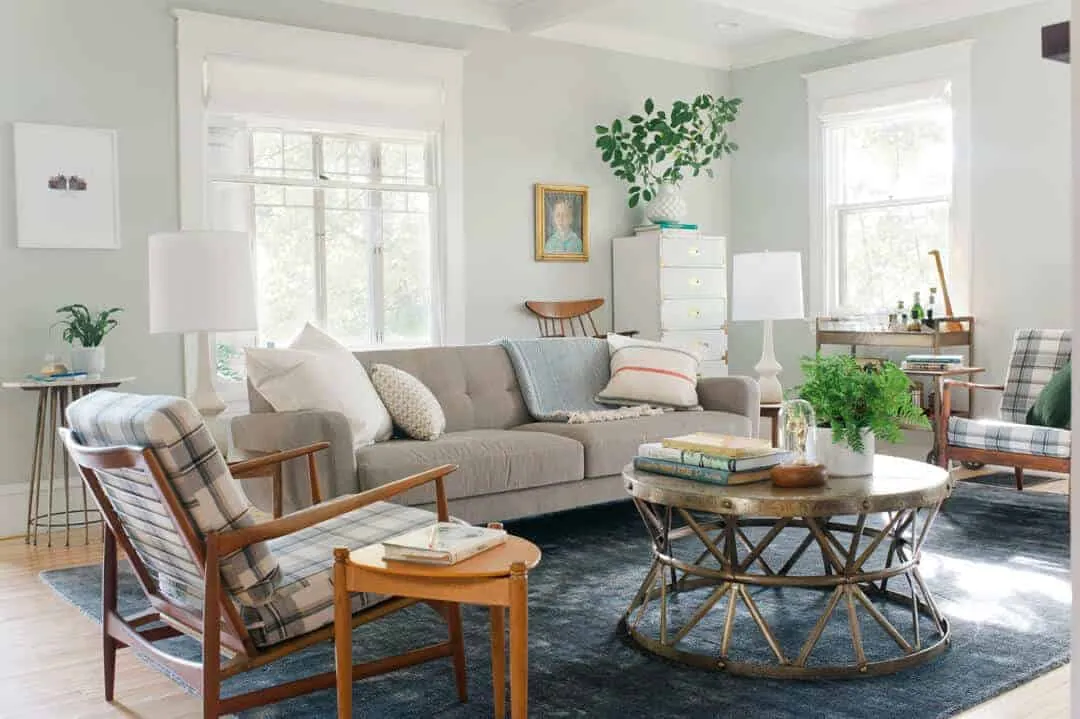
The secret to successful pairing lies in the concept of “coordinating rather than matching.” You don’t need the chair to be a carbon copy of the sofa. Instead, aim for a complementary relationship. If your sofa is a large, overstuffed model in a solid neutral, opt for sleeker, leggy accent chairs to prevent the room from feeling heavy. Conversely, if your sofa is minimalist, a plush, rounded accent chair can provide necessary softness.
| Element | Strategy for Harmony |
|---|---|
| Color | Use the 60-30-10 rule for balance. |
| Scale | Match seat height within two inches. |
| Pattern | Pair one bold print with solids. |
| Texture | Mix rough weaves with smooth finishes. |
Why Scale Matters Most
Proportion is the foundation of interior design. An oversized recliner next to a low-profile mid-century sofa will look disjointed regardless of how well the colors match. Ensure that the back height of your chair doesn’t exceed the back height of your sofa by more than a few inches to maintain a clean horizontal line across the room.
Selecting Your Color Palette
When choosing colors, you have three primary paths: monochrome, analogous, or contrasting. A monochromatic scheme uses varying shades of the same color to create a serene, sophisticated vibe. An analogous scheme uses colors that sit next to each other on the color wheel, such as blue and green. If you prefer high energy, choose a contrasting color, such as a mustard yellow chair against a navy blue sofa.
Pro Tip: If you’re nervous about color, choose an accent chair that incorporates the color of your sofa in its pattern or piping. This creates an immediate visual bridge between the two pieces.
Balancing Textures and Fabrics
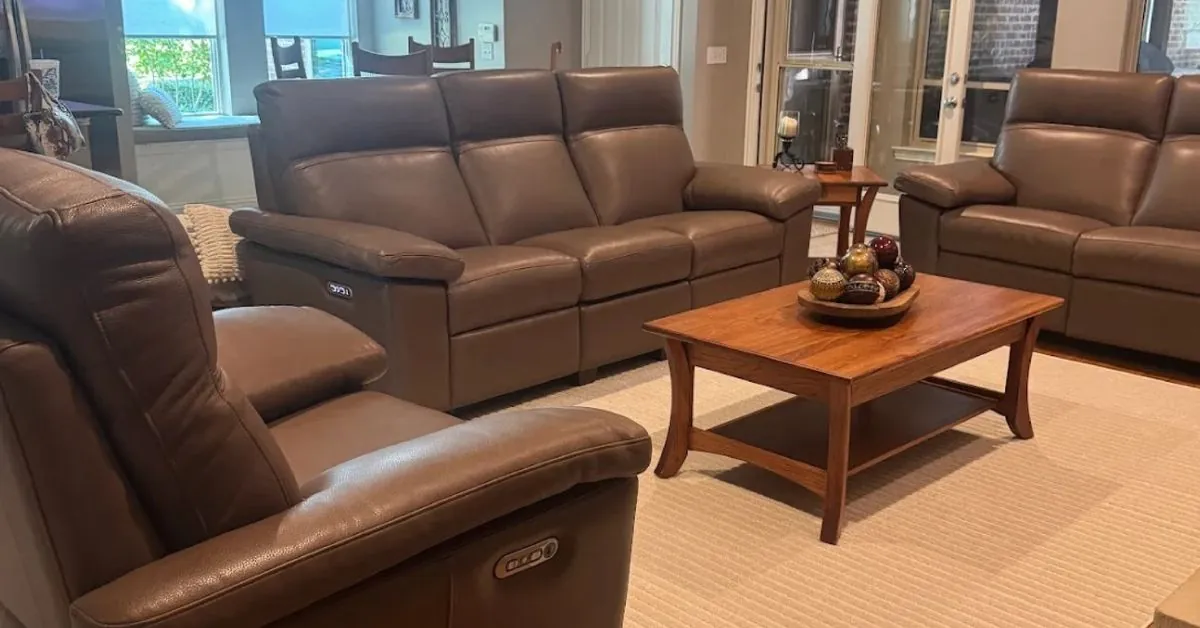
Texture is often overlooked, yet it’s the most effective way to add character to a neutral room. If your sofa is upholstered in a flat, matte fabric like cotton or linen, consider an accent chair in a tactile material like bouclé, velvet, or leather. This contrast prevents the furniture from blending into a single, boring mass.
| Material Pair | Effect on Room |
|---|---|
| Leather + Linen | Rustic and sophisticated |
| Velvet + Cotton | Luxurious and cozy |
| Bouclé + Wood | Modern and sculptural |
How Do I Mix Design Styles?
Mixing styles—such as placing a modern chair next to a traditional sofa—is entirely possible if you anchor the room with a rug. A rug acts as a frame, pulling disparate pieces into one unified conversation zone. Ensure the rug is large enough that the front legs of all seating pieces rest on it. This physical connection tricks the eye into seeing the pieces as a single, curated collection.
Essential Layout Considerations
The arrangement of your furniture dictates how people move through the room. Avoid blocking pathways with oversized chairs. In smaller rooms, choose chairs with exposed legs; seeing the floor underneath the chair creates the illusion of more space. If you have a large open-concept living area, you can use accent chairs to define the boundary between the living room and the dining area.
Avoiding Common Design Mistakes
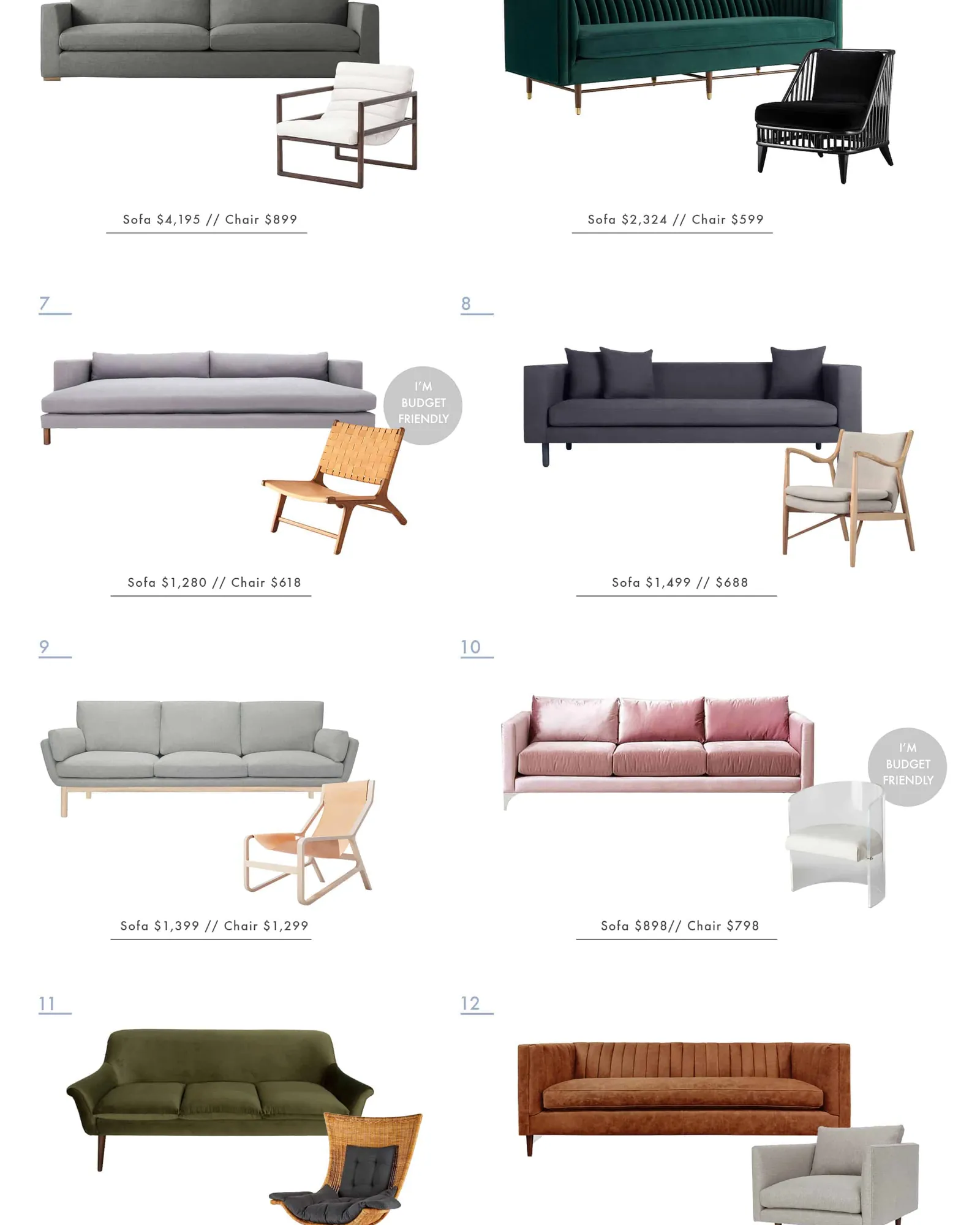
A common error is overcrowding the space. A sofa and two chairs are usually plenty for a standard-sized room. Adding more can make the area feel like a furniture showroom rather than a home. Another mistake is ignoring the leg finish. If your sofa has dark espresso legs, try to find chairs with a similar wood tone or a metal finish that matches your curtain rods or lighting fixtures.
Warning: Don’t prioritize aesthetics over seat height. If a chair is significantly lower than your sofa, guests may find it difficult to stand up, making the piece effectively useless for socializing.
Frequently Asked Questions
Can I use two different accent chairs?
Yes, using two different chairs adds a collected, designer look to a room. To keep it from looking messy, ensure they share a common trait, such as the same seat height, similar leg finishes, or a unified color palette. This balance prevents the room from feeling like a random collection of furniture and maintains a sense of intentionality in your design choices.
How far apart should chairs be?
Chairs should generally be placed three to ten feet away from the sofa. This distance creates a comfortable “conversation circle” that’s intimate enough for talking but spacious enough for movement. If you’re placing chairs opposite the sofa, aim for a distance that allows for a coffee table in the center, typically about eighteen inches from the edge of the seating.
Should chairs match the rug?
The chairs don’t need to match the rug, but they should coordinate with its colors or patterns. The rug is often the best place to pull an accent color for your chairs. If your rug is busy, choose solid-colored chairs. If your rug is a solid neutral, you have more freedom to choose chairs with bold patterns or unique shapes.
Does the wood tone have to match?
The wood tones don’t need to be an exact match, but they should belong to the same temperature family. Mixing cool-toned woods with warm-toned woods can look unintentional. Instead, try to keep your woods either all warm (like oak or cherry) or all cool (like ash or walnut) to ensure the room feels cohesive and polished.
How do I style a leather chair?
Leather chairs add an element of natural luxury to any living room. If your sofa is fabric, a leather chair provides a nice contrast in texture. To make a leather chair feel integrated, add a throw pillow or a blanket on the sofa that contains a similar shade or texture to the leather, creating a subtle, sophisticated link between the two pieces.
Conclusion
Start by identifying the most prominent color or texture in your sofa, then select one accent chair that incorporates that specific element. By focusing on one shared detail, you ensure that your living room feels professionally curated rather than accidental. Once you have your focal point, arrange your furniture to encourage easy conversation and flow throughout your home.