
Selecting the ideal dining table involves balancing your available floor space, the number of guests you host, and the durability of the materials chosen for your lifestyle. A well-chosen piece serves as the heart of your home, grounding the room while providing a functional surface for daily meals and social gatherings. Assessing your specific needs before shopping prevents the common mistake of purchasing furniture that either overwhelms your dining area or feels disproportionately small.
Key Takeaways
- Measure your room dimensions and subtract 36 inches from each side to ensure comfortable chair clearance.
- Select durable materials like solid hardwoods or engineered stones if the table will face daily heavy wear.
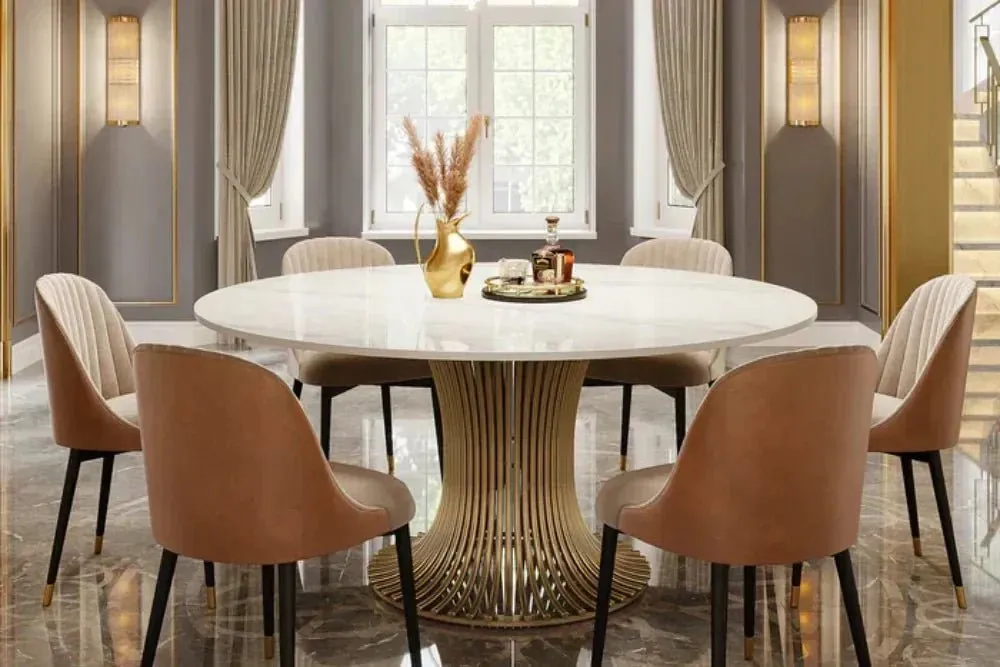
- Prioritize pedestal bases if you need to maximize seating capacity by eliminating corner leg interference.
- Choose extendable models if you host large groups only occasionally to save valuable everyday floor space.
- Verify the height of your existing chairs to ensure they provide proper ergonomic support at the table.
How to Select a Dining Table
To choose the right table, start by analyzing your room layout. A rectangular table fits best in a long, narrow room, while a round table encourages conversation and works well in square spaces. Always account for at least 30 inches of elbow room per person to ensure guests don’t bump into one another during dinner.
| Table Shape | Best Room Type | Ideal Seating |
|---|---|---|
| Rectangular | Long, formal dining rooms | 6 to 12 people |
| Round | Small or square kitchens | 2 to 6 people |
| Oval | Narrower, transitional spaces | 4 to 10 people |
| Square | Symmetrical, compact areas | 4 to 8 people |
What Is the Right Material?
The longevity of your furniture depends on the construction and finish. Solid wood is a timeless choice that can be refinished, though it may be susceptible to scratches and water rings. Engineered materials, such as high-pressure laminates or quartz, offer superior resistance to heat and stains, making them ideal for families with young children.
Comparing Common Table Materials
| Material Type | Pros | Cons |
|---|---|---|
| Solid Hardwood | Durable, classic, repairable | Expensive, prone to moisture |
| Glass Top | Airy, modern aesthetic | Shows fingerprints, fragile |
| Metal/Steel | Industrial, extremely sturdy | Can feel cold, noisy |
| Veneer | Affordable, lightweight | Can’t be sanded down |
Does Shape Impact Seating Capacity?
Yes, the geometry of the piece dictates how many people can sit comfortably. Round tables are excellent for social flow because there are no sharp edges or “head of the table” positions. However, rectangular tables are far more efficient for large dinner parties. If you have a square room, a round table often feels more organic, whereas a rectangular table might create an awkward, cramped flow.
How Much Clearance Is Needed?
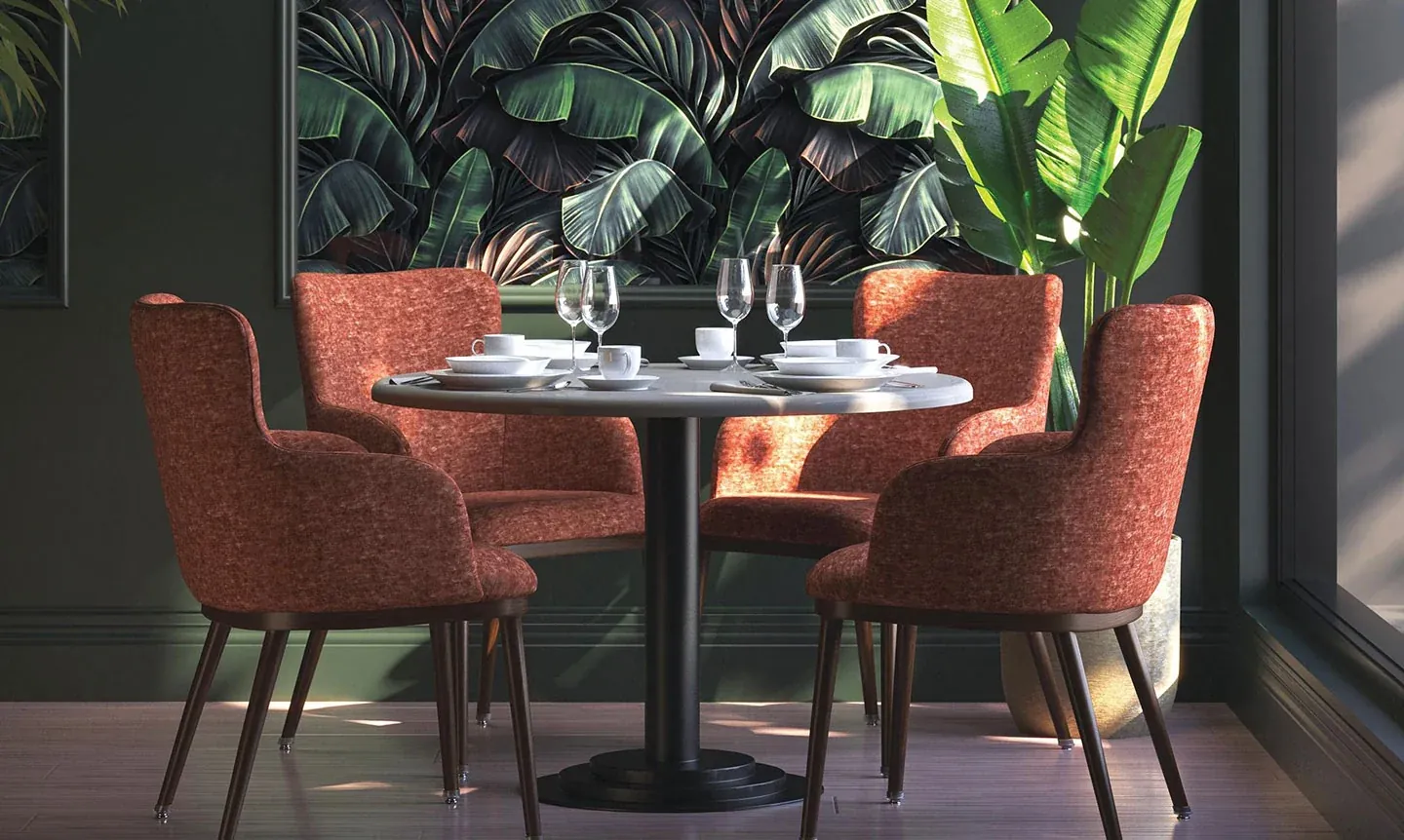
Proper spatial planning is essential for a functional dining room. You must maintain at least 3 feet of space between the edge of the table and the nearest wall or piece of furniture to allow guests to push their chairs back easily. According to the American National Standards Institute, furniture stability and dimensional requirements are critical for preventing tipping and ensuring safe, long-term use in residential settings. Always verify these measurements before finalizing your purchase.
Choosing the Best Table Base
The leg configuration determines how many chairs you can actually tuck under the table.
- Pedestal bases: Provide maximum legroom and are perfect for smaller rooms or round tables.
- Four-legged tables: Offer a traditional look but can interfere with seating if the legs are placed too close to the corners.
- Trestle bases: Combine stability with a classic aesthetic, often allowing for more flexible seating arrangements along the sides.
Pro Tip: Use painter’s tape to outline the dimensions of a potential new table on your floor before buying to visualize the exact footprint.
Should You Buy Extendable Tables?
If your dining room doubles as a workspace or a play area, an extendable table is a smart investment. These pieces feature hidden leaves or butterfly mechanisms that increase the surface area when guests arrive. Look for high-quality hinges and smooth tracks to ensure the mechanism remains functional over many years of use.
How to Match Dining Chairs
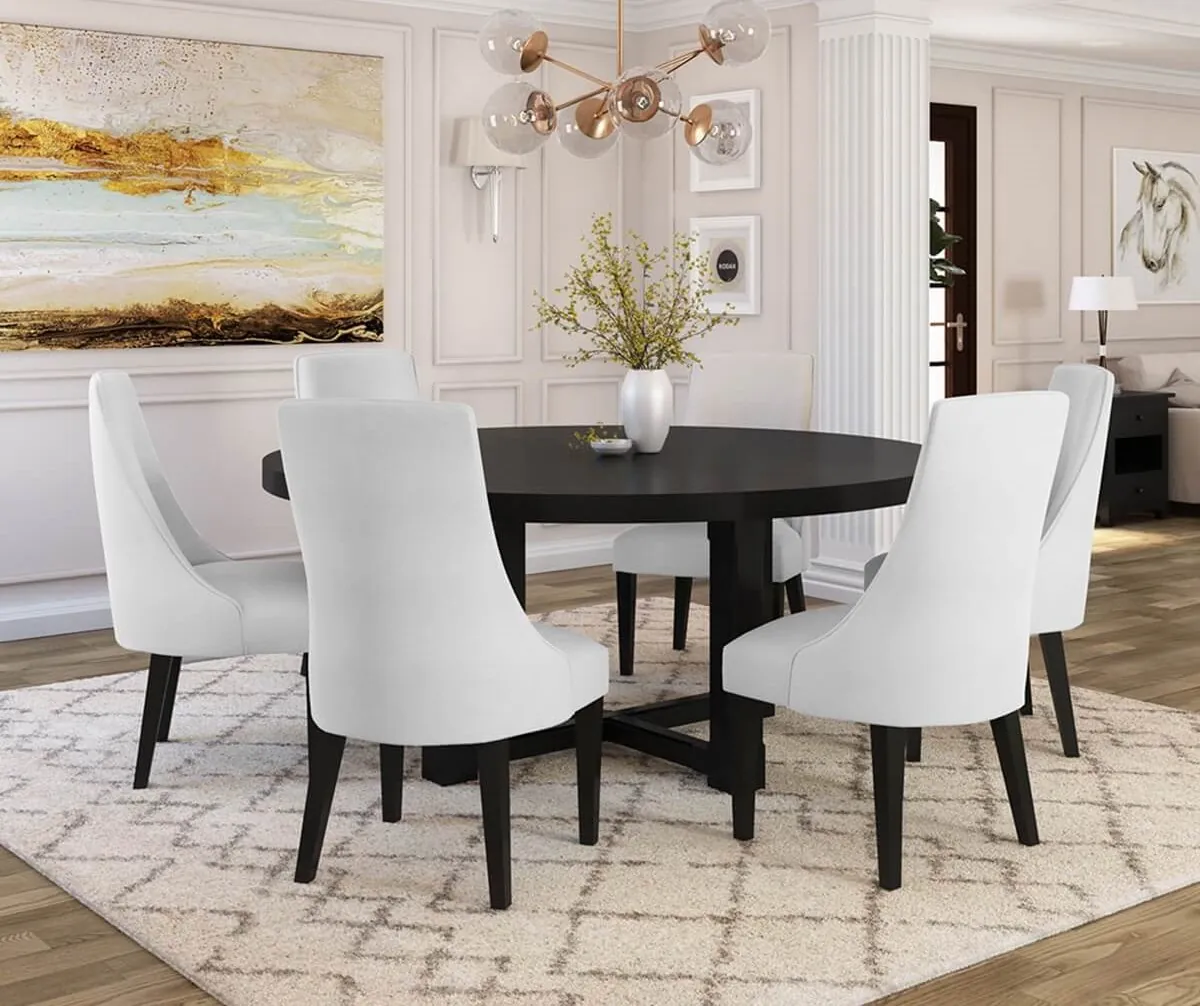
Your chairs should complement the table’s height and style. Standard dining tables are typically 28 to 30 inches high, meaning your chair seats should be approximately 18 inches from the floor. Avoid mixing too many styles; if your table is ornate, consider simpler chairs to balance the room’s visual weight.
Warning: Avoid placing glass-top tables in high-traffic areas where they might be prone to heavy impact or accidental breakage.
Frequently Asked Questions
How much space do I need for a dining table?
You should leave at least 36 inches of clearance around the entire perimeter of the table. This distance allows for chairs to be pulled out and provides enough room for someone to walk behind a seated guest. If your dining area is part of an open-concept room, you can reduce this slightly, but 30 inches is the absolute minimum for basic comfort.
How do I clean a wood table?
Use a soft, damp cloth for daily dusting and cleaning. Avoid harsh chemical sprays or abrasive sponges that can damage the finish. For deeper cleaning, use a mild soap solution and immediately wipe the surface dry. Periodically applying a high-quality furniture polish or wood wax helps maintain the moisture balance and protects the wood from drying out or cracking.
Are glass tables good for families?
Glass tables are stylish and make small rooms appear larger, but they require constant maintenance. Every smudge and fingerprint is visible, and they’re prone to scratching. If you have small children, tempered glass is safer, but you should still be wary of sharp corners. Consider a beveled edge or a round design to minimize risks during active play or busy mealtimes.
How many people can fit at a 72-inch table?
A 72-inch rectangular table comfortably seats six people, with three on each side. If you place chairs at both ends, you can squeeze in eight people, though it may feel tight depending on the width of your chairs. For maximum comfort, stick to six chairs unless you’re using slim-profile seating without armrests, which allows for easier spacing around the perimeter.
What is the most durable table finish?
Catalyzed lacquer or polyurethane finishes are generally considered the most durable options for dining tables. These finishes form a hard, protective barrier that resists water, heat, and scratches better than traditional oil or wax finishes. When shopping, ask the manufacturer about the specific coating process to ensure it can withstand the daily rigors of your household’s routine and cleaning habits.
Conclusion
Before you finalize your purchase, measure your room one last time to ensure the table size allows for easy navigation. Consider the flow of traffic in your home, especially if the dining area is near an entryway or kitchen. Once you have confirmed the dimensions and material, you can shop with confidence, knowing the piece will fit perfectly in your home.