
The total cost to reupholster a club chair typically ranges between $600 and $1,500, depending on labor rates and the fabric you choose. You’ll pay less if you provide your own material, while high-end leather or designer textiles can double the final price.
Price Estimates for Club Chair Reupholstery
- Labor costs: Expect to pay $400 to $900 for the professional time required to strip, repair, and recover the frame.
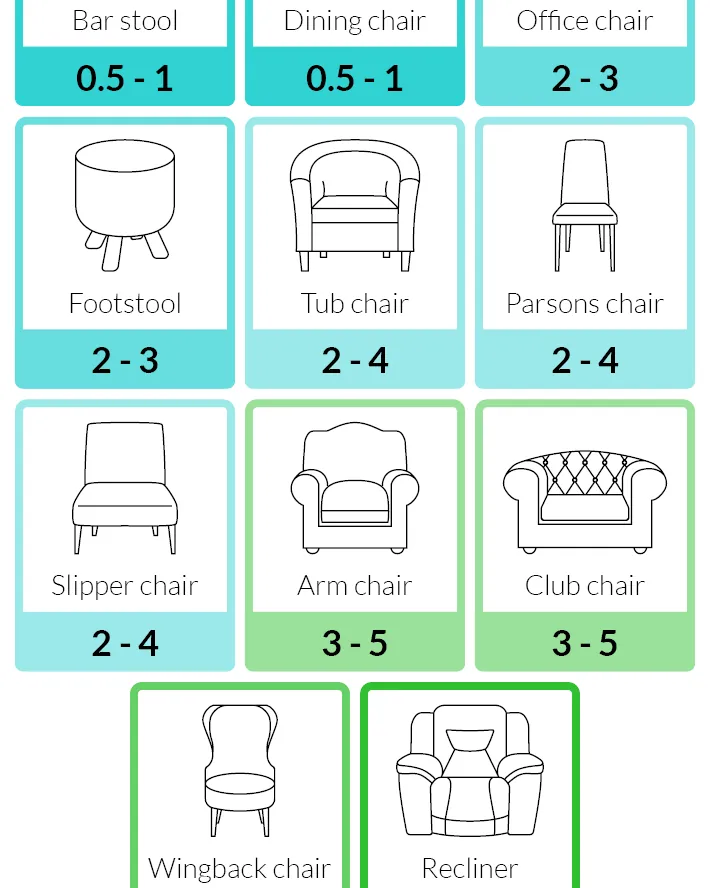
- Fabric requirements: Most club chairs need 6 to 9 yards of upholstery-grade fabric, which costs $30 to $150 per yard.
- Cushion replacement: Adding new high-density foam for a seat cushion adds $100 to $250 to the project total.
- Frame repairs: Fixing loose joints or broken springs usually costs an additional $100 to $300 depending on the damage level.
- Leather upgrades: Using full-grain leather increases the material budget to $1,000 or more, as it requires more skill to sew.
- Pickup and delivery: Many shops charge a flat fee of $50 to $150 if you can’t transport the chair yourself.
Why Reupholstery Costs Vary
Labor is the largest expense because reupholstering a club chair is a manual, time-intensive process. A professional must remove the old fabric, inspect the frame for structural issues, and replace the batting or webbing before installing the new cover. If the chair has intricate tufting, nailhead trim, or complex curves, the hours required for the job will rise significantly.
The fabric choice is the second major factor. Heavy-duty upholstery fabrics are designed to withstand years of wear, and you can check the Consumer Product Safety Commission guidelines to understand why material flammability and durability matter for home furniture.
Cheap fabrics often fray or fade quickly, which wastes your investment in labor. If you’re unsure about the quality of a fabric, check the “double rub” count on the manufacturer’s tag; for residential use, a rating of 15,000 double rubs is the standard baseline for long-term comfort.
Factors Changing the Final Price
| Situation | What changes | What to do instead |
|---|---|---|
| Complex tufting | Labor hours increase | Choose a simpler style |
| Antique frames | Repair costs rise | Hire a specialist restorer |
| Leather material | Material price jumps | Use high-quality vinyl |
| DIY strip-down | Labor costs drop | Remove old staples carefully |
| Custom trim | Decorative costs add | Use standard gimp trim |
How to Reupholster a Club Chair
- Remove the existing fabric using a staple puller, taking photos of every layer so you remember how the pieces fit together later.
- Inspect the springs and webbing. If the webbing is sagging or the springs are loose, replace them before adding any new padding or fabric.
- Cut your new fabric using the old pieces as templates. Add 2 inches of extra material on every side to allow for pulling and stapling.
- Attach the new padding, usually a layer of foam or dacron batting, using spray adhesive to keep it centered on the chair frame.
- Staple the fabric starting from the center of each side. Work your way toward the corners, pulling the material tight to prevent any loose wrinkles.
- Trim the excess fabric with sharp shears. Use a decorative trim or gimp to cover the raw edges and staple lines for a finished look.
- Test the chair by sitting on it to ensure the seat is firm and the fabric doesn’t pull away from the frame joints.
Mistakes That Ruin Upholstery
- Using thin fabric: Choosing lightweight cotton or decorative cloth causes the material to tear at the seams within a few months.
- Ignoring frame rot: Covering a damaged or moldy frame traps the issue inside, which will eventually collapse the chair structure entirely.
- Poor staple placement: Using too few staples makes the fabric shift and bunch up, which ruins the clean, professional look of the chair.
- Cutting fabric too small: Forgetting to account for seam allowances makes it impossible to stretch the fabric over the curves of the chair.
Frequently asked questions
How many yards of fabric do I need?
Most standard club chairs require 7 to 9 yards of fabric. This amount assumes a standard 54-inch wide roll and includes extra material for pattern matching, though very large chairs or patterned fabrics may require 10 yards or more.
Is it cheaper to buy a new chair?
Buying a new chair is often cheaper if you choose mass-produced furniture, but a high-quality reupholstered chair usually lasts longer. Reupholstery is best for solid wood frames that can’t be replaced by modern, factory-made alternatives found in discount stores.
How long does the process take?
Professional reupholstery typically takes 2 to 4 weeks once the shop begins the work. This timeline depends on the shop’s current queue and whether they need to order specific fabric that isn’t currently in stock at their facility.
Can I do this myself?
You can reupholster a club chair yourself if you have basic sewing skills and a pneumatic staple gun. This isn’t for someone without patience, as the process involves removing hundreds of staples and ensuring the fabric tension is perfectly even across the frame.
What happens if the frame is broken?
A broken frame requires wood glue and clamps or new corner blocks before you add any fabric. If the wood is split or missing pieces, take the chair to a furniture repair specialist first, as upholsterers primarily work with fabric and foam.
Does the fabric type matter?
Fabric type matters because the material must be rated for “upholstery” rather than “drapery” use. Use the double rub count on the label to verify the fabric is strong enough to handle constant friction from sitting, which is the main cause of premature wear.
Is it safe to reupholster old furniture?
It’s safe to restore old chairs, but look for signs of pests or structural decay before bringing them indoors. If you find deep cracks or evidence of wood-boring insects, consult a professional restorer to ensure the chair is still stable enough to support a person’s weight.
Conclusion
If you’re deciding between a professional service and a DIY project, consider that a professional provides a warranty on their labor while you take on the risk of error yourself. Always ask for a written quote that breaks down the labor and material costs before you drop your chair off at a shop.
Related guides