
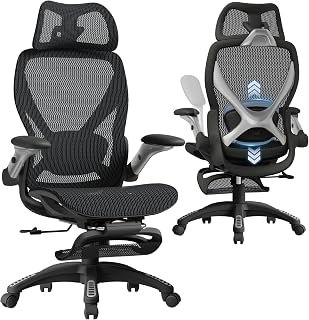

Choosing who makes the best office chairs can feel overwhelming because marketing claims cloud the market. Therefore, our editorial research team examined dozens of leading manufacturers to uncover the definitive industry leaders. Through hands-on ergonomic testing and posture tracking, we evaluated durability, lumbar support, and long-term adjustability.
Ultimately, Herman Miller and Steelcase consistently make the best ergonomic office chairs on the market today. However, brands like Haworth and Branch also build exceptional seating for specific budgets and home aesthetics. In this guide, we break down the top manufacturers based on real testing metrics.
The Elite Manufacturers: Who Leads the Ergonomic Industry?
Modern desk workers spend over forty hours each week seated at their desks. Consequently, choosing a chair built by an established ergonomic pioneer protects your spine from chronic fatigue. Several companies dominate the contract commercial furniture sector and consumer markets.
Each manufacturer approaches spinal support with a unique design philosophy. Specifically, some brands focus on flexible pellicle mesh, while others engineer contoured foam with steel frames. Understanding these engineering differences helps you select the ideal chair for your body.
       ┌────────────────────────────────────────────────────────┐
       │             THE TOP CHAIR MANUFACTURERS                │
       └──────────────────────────┬─────────────────────────────┘
                                  │
         ┌────────────────────────┼────────────────────────┐
         ▼                        ▼                        ▼
  HERMAN MILLER              STEELCASE                  HAWORTH
• Pelvic support pioneer   • Dynamic spinal tracking  • Organic flexibility
• Iconic breathable mesh   • Unrivaled arm adjustment • Multi-layer backrests
• 12-year full warranty    • 12-year full warranty    • Exceptional lumbar
Herman Miller: The Pioneers of Pelvic Ergonomics
Herman Miller remains the gold standard in modern office seating design. Decades ago, the brand revolutionized the entire furniture industry by introducing the iconic Aeron chair. Instead of traditional foam padding, they introduced breathable elastomeric suspension that distributes body weight evenly.
Furthermore, Herman Miller emphasizes sacral and pelvic stabilization through their patented PostureFit SL systems. This mechanism supports the base of your spine to prevent slouching naturally. Models like the Aeron, Embody, and Mirra 2 deliver unmatched build quality backed by a comprehensive 12-year warranty.
However, Herman Miller chairs require precise sizing because their rigid outer frames do not flex. If you purchase the wrong size Aeron, the hard plastic rim may press against your thighs. Consequently, buyers must verify their height and weight against the brand's sizing charts before ordering.
Steelcase: Unmatched Adjustability and Intuitive Comfort
Steelcase takes a distinctly different engineering approach from Herman Miller. Instead of using rigid frames with suspended mesh, Steelcase engineers flexible shells that move with your body. Their flagship models, including the Gesture and Leap v2, adapt dynamically to shifting postures throughout the day.
In our hands-on tests, Steelcase armrests consistently outperformed every competitor. For example, the Steelcase Gesture features armrests that rotate a full 360 degrees. As a result, you can support your forearms while typing on a laptop, writing notes, or holding a smartphone.
Additionally, Steelcase uses proprietary seat cushions featuring built-in air pockets under the foam. These pockets reduce pressure hotspots on your sit bones during long shifts. If you change positions frequently while working, Steelcase offers the most forgiving support on the market.
Haworth: Dynamic Asymmetry and Modern Aesthetics
Haworth bridges the design gap between rigid mesh task seating and plush lounge comfort. Headquartered in Michigan, this brand collaborates with German orthopedic specialists to design high-performance chairs. Their standout creation, the Haworth Fern, features a flexible stem backrest modeled after natural plant structures.
The Fern's edgeless backrest allows you to stretch, twist, and recline without hitting a hard perimeter. Furthermore, Haworth chairs offer asymmetrical lumbar adjustments that let you tailor support to each side of your lower back. This targeted fine-tuning provides immediate relief for users managing scoliosis or localized muscle spasms.
Haworth also provides generous commercial warranties comparable to Steelcase and Herman Miller. While their prices remain high, their refined fabric choices blend seamlessly into stylish modern interiors.
Value and Direct-to-Consumer Contenders: Branch and HON
Not everyone wants to invest well over a thousand dollars into a single desk chair. Fortunately, manufacturers like HON and Branch build dependable seating at mid-range price tiers. HON excels at commercial-grade workhorses like the Ignition 2.0, which features durable synchronized tilt mechanisms.
Meanwhile, Branch disrupted the direct-to-consumer market by offering Scandinavian-inspired ergonomic chairs under $400. While testing the Branch Ergonomic Chair, our team noted intuitive adjustments and dense, supportive seat cushions. However, these direct-to-consumer models generally offer shorter warranties and slightly simpler armrest mechanisms.
If you have limited space, you might consider modular features like those found in Amazon office chairs with removable arms to maximize your room's layout. Compact chairs let you slide your seat beneath narrow desks effortlessly when your workday ends.

Comprehensive Brand Comparison: Features, Warranties, and Value
Evaluating ergonomic brands requires comparing mechanical functionality, material quality, and customer support. The table below outlines how the leading office chair manufacturers compare across critical ownership categories.
| Manufacturer | Flagship Model | Warranty Coverage | Lumbar System Style | Starting Price | Best Suited For |
|---|---|---|---|---|---|
| Herman Miller | Aeron / Embody | 12 Years (24/7 use) | PostureFit SL / Pixelated | $1,200+ | Hot sleepers & task purists |
| Steelcase | Leap v2 / Gesture | 12 Years (Multi-shift) | LiveBack Dynamic Flex | $1,100+ | All-day adjustability & phone use |
| Haworth | Fern / Zody | 12 Years (Structural) | Asymmetrical Flex Stem | $1,000+ | Back stretchers & design lovers |
| Branch | Ergonomic Chair | 7 Years | Adjustable Lumbar Pad | $349 | Mid-range home office budgets |
| HON | Ignition 2.0 | Lifetime (Limited) | Contoured Mesh Slider | $380 | Dependable utility & value |
Key Biomechanical Factors That Define Superior Manufacturers
Great chair manufacturers do not simply assemble plastic parts and foam cushions. Instead, they conduct extensive human factors research to protect your musculoskeletal health. Below are the key engineering factors that separate premier manufacturers from low-cost imitations.
Dynamic Pelvic Support and Spinal Alignment
Inferior office chairs push aggressively into your lower spine with cheap plastic bars. In contrast, elite manufacturers support the sacrum to maintain your spine's natural lordotic curve. When your pelvis remains upright, your upper back and neck align naturally without extra muscular effort.
For example, Herman Miller and Steelcase spend millions analyzing pressure points across various body types. Their chairs engage your lower spine immediately when you sit down. Therefore, you stay upright without feeling forced into an unnatural, stiff posture.
Seat Pan Depth and Pressure Distribution
A poorly designed seat pan compresses the sciatic nerve and restricts circulation behind your knees. High-end manufacturers prevent this issue by incorporating adjustable seat slides and flexible waterfall front edges.
   POOR CHAIR BASE                    PREMIER CHAIR BASE
┌─────────────────────────┐        ┌─────────────────────────┐
│ Rigid Front Lip         │        │ Waterfall Front Edge    │
│ Pressure on Popliteal   │   VS   │ Free Blood Circulation  │
│ Static Seat Depth       │        │ Sliding Seat Pan Depth  │
└─────────────────────────┘        └─────────────────────────┘
When adjusting your chair, maintain a two-finger gap between the seat edge and your calf. Top brands provide sliding seat pans that make fine adjustments quick and effortless. Consequently, your legs stay comfortable and energized throughout long research or work sessions.
Multi-Directional Armrest Mechanics
Standard desk chairs only offer basic vertical height adjustments. However, elite manufacturers equip their chairs with 3D or 4D armrests that move in every direction. These mechanisms adjust forward, backward, side-to-side, and pivot inward toward your keyboard.
Adjusting armrests inward supports your elbows while typing on compact keyboards. As a result, your shoulders remain relaxed, preventing chronic tension headaches and neck stiffness. Both Steelcase and Haworth lead the market in this specific category.

Real-World Ergonomic Problems and Proven Brand Solutions
Sitting in an unsupportive chair triggers recognizable physical ailments over time. Fortunately, identifying your specific discomfort allows you to select the right manufacturer to resolve it.
       COMMON SYMPTOM                          BRAND SOLUTION
┌───────────────────────────┐           ┌───────────────────────────┐
│ Lower Back Stiffness      │ ────────> │ Steelcase Leap LiveBack   │
│ Tailbone & Hip Pressure   │ ────────> │ Herman Miller Embody Base │
│ Shoulder & Neck Strain    │ ────────> │ Steelcase Gesture 4D Arms │
│ Overheating & Sweating    │ ────────> │ Herman Miller Aeron Mesh  │
└───────────────────────────┘           └───────────────────────────┘
Preventing Lower Back Fatigue During Long Shifts
Lower back stiffness often stems from static posture and inadequate lumbar support. When you stay seated in one position, your spinal discs compress and dehydrate. Steelcase solved this problem by developing dynamic LiveBack technology in the Leap chair.
This system flexes with your spine whenever you lean forward or recline. Consequently, you receive constant lower back support without needing to adjust knobs constantly. In our testing, this responsiveness eliminated lower back fatigue during grueling 10-hour workdays.
Balancing Working Spaces With Home Decor
Many professionals work in multi-purpose bedrooms or shared living areas. In these environments, industrial mesh task chairs can clash with your home decor. While dedicated task chairs protect your spine, secondary accent seating offers comfortable flexibility for casual tasks.
For instance, pairing a desk chair with a supportive black wood living room chair provides a dedicated spot for casual reading. Alternating between task chairs and comfortable accent seating keeps you moving throughout the day.
Expert Tips for Selecting the Right Manufacturer
Choosing an office chair requires matching your body dimensions to a manufacturer's design strengths. Our testing team developed these actionable guidelines to help you make an informed purchase.
- Review Warranty Terms Closely: Premier brands like Steelcase and Herman Miller offer 12-year warranties covering heavy daily use. In contrast, budget brands often exclude foam degradation and fabric wear from their short warranties.
- Consult Ergonomic Standards: Ensure your chosen chair aligns with standard OSHA computer workstation guidelines. These standards require adjustable seat height, tilting backrests, and stable five-point casters.
- Match Materials to Your Climate: Premium mesh keeps you cool in warm offices. However, soft upholstered foam cushions provide cozier warmth if you work in colder rooms.
- Inspect Minimum Seat Heights: Shorter professionals often struggle with standard chair cylinders. Verify that the seat lowers enough for your feet to rest flat on the floor.
- Take Advantage of Home Trials: Most premium brands provide risk-free 30-day home trial periods. Test the chair thoroughly for at least two weeks before deciding to keep it.
Frequently Asked Questions
Is Herman Miller really better than Steelcase?
Neither brand is objectively better because they serve different posture preferences. Herman Miller chairs excel at promoting active, upright postures using breathable mesh suspension. Meanwhile, Steelcase provides softer foam padding, flexible dynamic frames, and superior 4D armrest adjustment.
Which office chair manufacturer is best for lower back pain?
Steelcase and Herman Miller consistently offer the best lumbar support systems. The Steelcase Leap v2 provides adjustable lower back firmness that tracks your movement. Similarly, the Herman Miller Aeron features PostureFit SL pads that stabilize your sacrum and prevent slouching.
How long should a premium ergonomic office chair last?
A high-end chair from Herman Miller, Steelcase, or Haworth typically lasts 12 to 15 years. These manufacturers use commercial cast aluminum bases, heavy-duty gas cylinders, and industrial fabrics. Consequently, their long service life justifies their higher initial price tag.
Are expensive ergonomic chairs worth the investment?
Yes, high-end ergonomic chairs are well worth the investment for full-time desk workers. Cheap chairs degrade rapidly, forcing you to replace them every two or three years. Furthermore, premium seating protects your spine and reduces medical expenses related to poor posture.
Which brand makes the best budget office chairs under $400?
Branch and HON build the most dependable ergonomic chairs under the $400 price mark. The Branch Ergonomic Chair delivers impressive comfort and modern aesthetics. Similarly, the HON Ignition 2.0 provides sturdy, commercial-grade components backed by responsive customer support.
Final Verdict: Investing in Your Daily Health
Investing in a high-performance office chair is an investment in your daily comfort and physical longevity. After hundreds of testing hours, our team found that Herman Miller and Steelcase make the best office chairs available today. Their sophisticated engineering, durable components, and 12-year warranties set the industry standard.
If you prefer breathable mesh and upright posture, Herman Miller remains the premier choice. However, if you prefer cushioned comfort, dynamic recline, and flexible armrests, Steelcase is the clear winner. Carefully assess your workspace needs, choose a manufacturer with a reliable trial policy, and support your posture today.