
To protect your furniture, wrap the wood in breathable cotton blankets and place it in a climate-controlled room to prevent warping or finish damage while storing a dining room table. Keep the piece off the floor using wooden blocks to allow for proper air circulation.
The most important factor is maintaining stable humidity levels. Wood is a natural material that swells and shrinks as moisture in the air changes. If the environment is too dry or too damp, the joints may crack or the tabletop may bow.
The biggest mistake people make is wrapping wood in plastic sheeting. Plastic traps moisture against the surface, which causes mold growth and ruins the finish. Always use soft fabric covers that allow the wood to breathe while protecting it from dust and scratches.
How to protect your dining room table
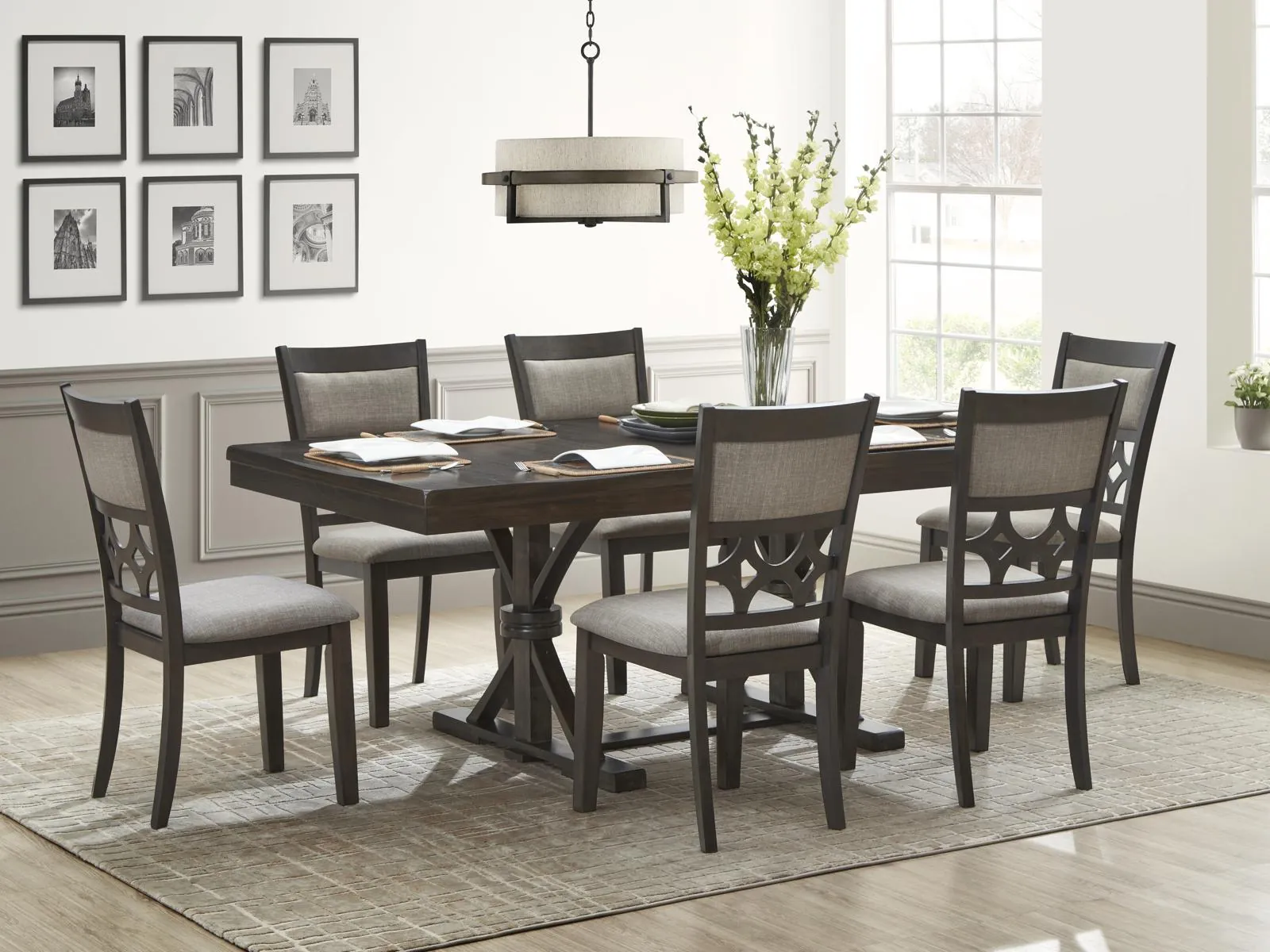
- Clean the surface thoroughly using a soft, dry microfiber cloth to remove all dust and debris. Don’t use chemical cleaners or waxes before storage, as these can trap moisture or damage the finish over long periods.
- Remove the legs from the tabletop if the design allows it to save space and reduce stress on the joints. Label each piece with painter’s tape so you can easily reassemble it later.
- Wrap the tabletop and legs separately using moving blankets or padded cotton sheets. Secure the blankets with tape, but ensure the tape only touches the fabric and never the wood surface.
- Place the tabletop on its edge rather than laying it flat if you have a sturdy frame to support it. This prevents the weight of the piece from causing the wood to sag or warp over time.
- Elevate the furniture at least 2 inches off the ground using wooden blocks or pallets. This creates a barrier against potential water leaks and allows air to move freely beneath the piece EPA guidelines on moisture control.
- Store the table in a room where the temperature stays between 60 and 75 degrees Fahrenheit.
Tip: Never place heavy boxes or other furniture on top of the wrapped table. This creates uneven pressure that can permanently deform the wood.
Time Needed for Safe Storage
| Situation | How long | What changes it | What to watch for |
|---|---|---|---|
| Short term | Up to 3 months | Humidity levels | Dust buildup |
| Long term | 1 year or more | Room temperature | Finish fading |
| Attic storage | Not recommended | Heat fluctuations | Wood cracking |
If the table stays in storage for more than a year, inspect the wood every six months for signs of splitting.
Signs of Proper Storage
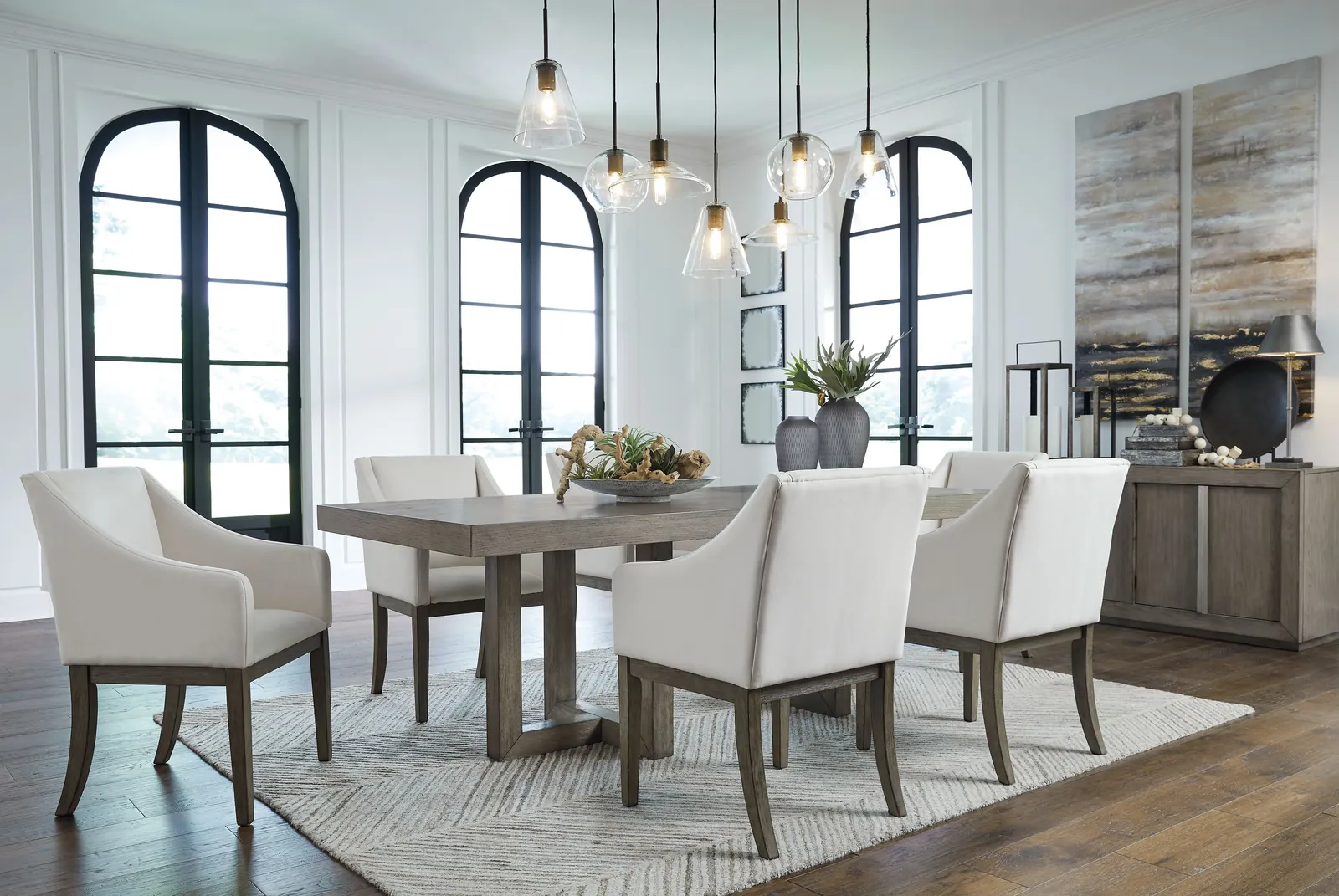
You can tell the table is stored correctly when the surface remains cool to the touch and the joints feel tight. If you see signs of “checking” or small cracks in the grain, the air is likely too dry.
Use a hygrometer to check that the relative humidity stays near 45 percent. If the wood feels damp or smells musty, move it to a drier location immediately. This isn’t for anyone who can’t maintain a stable indoor environment, as basements and uninsulated garages will almost always cause damage to fine wood.
Mistakes That Ruin Wood Tables
- Storing in an uninsulated garage: Extreme temperature swings cause the wood fibers to expand and contract rapidly. This leads to deep cracks and loose joints that are often impossible to repair.
- Using plastic bubble wrap: Plastic prevents the wood from releasing natural moisture, which can lead to mold growth or finish damage over time.
- Leaning the table at an angle: Resting the table against a wall at an angle causes the wood to bow under its own weight. Always keep the tabletop perfectly vertical or horizontal on a flat, supported base.
Frequently asked questions
Can I store my dining table in a garage?
No, you shouldn’t store a dining room table in a garage because of extreme temperature and humidity changes. These fluctuations cause the wood to warp, crack, or split. If you must use a garage, it must be fully insulated and climate-controlled to keep conditions consistent with your home.
How do I stop the wood from warping?
You stop warping by keeping the table in a climate-controlled room with 40 to 50 percent humidity. Keep the table off the floor and ensure it isn’t touching cold exterior walls. Consistent air temperature is the only way to prevent the natural fibers from shifting and bending over time.
Is it safe to store a table standing up?
Yes, it’s safe to store a table on its side as long as it’s fully supported by a flat surface. Use wooden blocks to keep the edge off the concrete. Ensure the table is braced so it can’t tip over, which could cause the legs or frame to snap.
How often should I check on the furniture?
You should check your furniture every 6 months to ensure the blankets are still in place and no moisture has accumulated. If you notice any signs of mold or wood movement, adjust the room’s humidity levels. Frequent checks allow you to catch small issues before they become permanent damage.
What happens if the wood gets too dry?
If the wood gets too dry, the cells lose their internal moisture and the joints will shrink or crack. You’ll notice the finish becoming brittle or small gaps appearing in the seams. Use a humidifier in the storage room to bring the moisture levels back to a safe, moderate range.
Can I leave the legs attached?
You can leave the legs attached if the table is small and you have enough space to store it safely. However, removing the legs is safer because it puts less stress on the mounting hardware. If you leave them on, make sure the weight of the table isn’t resting on the legs themselves.
Conclusion
Proper preparation is the secret to keeping your furniture in good condition. By avoiding plastic covers and choosing a stable environment, you ensure your table stays ready for your next meal. Check your local home improvement store for hygrometers to monitor your storage space.