
To raise a swivel chair, you must interact with the pneumatic cylinder, which is the gas-filled metal column connecting your seat to the wheeled base. Most office chairs utilize a lever-activated gas lift mechanism to adjust height, though some older or heavy-duty models may require manual tools or replacement parts if the internal seal has failed over time.
Key Takeaways
- Identify the height adjustment lever located under the right side of your seat.
- Stand up to remove your body weight before pulling the lever upward.
- Sit down gently while holding the lever to lower the chair height.
- Inspect the pneumatic cylinder for oil leaks or visible damage if the chair sinks.
- Replace the entire gas lift cylinder if the chair consistently fails to stay elevated.
How to Raise a Swivel Chair
Most standard office chairs operate through a simple hydraulic principle. When you pull the adjustment lever, you release the valve on top of the pneumatic cylinder. Without your weight pressing down, the compressed gas inside the tube expands, pushing the chair upward to your desired height. To lock it in place, simply release the lever, which closes the valve and halts the vertical movement of the piston.
Warning: Always ensure the chair is on a level surface before attempting adjustments to prevent tipping.
Troubleshooting a Sinking Chair
If your chair refuses to stay at a higher position, the internal seal within the pneumatic cylinder has likely worn out. This is a common mechanical failure in office furniture. You can verify this by checking for any hydraulic fluid residue on the metal column. If the cylinder is leaking, it can’t maintain the pressure required to hold your weight, and you’ll need to install a replacement unit to restore functionality.
| Symptom | Probable Cause | Potential Fix |
|---|---|---|
| Chair won’t rise | Lever cable disconnected | Reattach cable under seat |
| Chair sinks slowly | Worn pneumatic seal | Replace gas lift cylinder |
| Lever feels stuck | Debris in mechanism | Clean and lubricate joints |
| Wobbling at height | Loose base screws | Tighten all mounting bolts |
How to Adjust Height Manually
If you don’t have a lever or if the lever is broken, you may need to perform a manual reset. First, flip the chair over to examine the underside. Ensure that the actuator cable is firmly connected to the lever assembly. If the cable has stretched, use pliers to tighten the tension.
Replacing the Gas Lift Cylinder
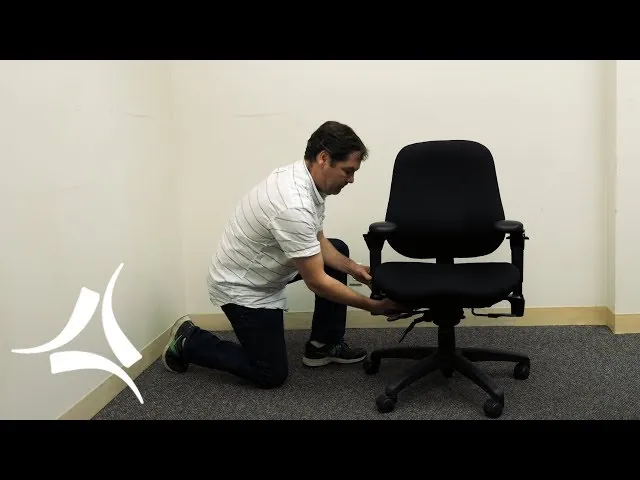
When the cylinder is beyond repair, you’ll need to remove the old one. This process requires a pipe wrench and a rubber mallet. You must detach the seat from the base, then use the wrench to grip the cylinder and twist it free from the five-star base.
Pro Tip: Apply a light layer of penetrating oil to the base connection point 24 hours before removal to loosen years of accumulated dust and rust.
Necessary Tools for Repair
- Heavy-duty pipe wrench
- Rubber mallet or hammer
- Safety goggles
- Penetrating lubricant spray
- Replacement gas lift cylinder
Selecting a Replacement Cylinder
Not all cylinders are universal. Before buying a replacement, measure the diameter of your current cylinder and the length of the outer casing. Most standard office chairs use a Class 3 or Class 4 cylinder, which refers to the thickness of the steel walls and the gas pressure capacity. A higher class number generally indicates a higher weight capacity and increased durability for long-term daily use in an office environment.
| Cylinder Class | Weight Capacity | Typical Application |
|---|---|---|
| Class 2 | 200–250 lbs | Light home office use |
| Class 3 | 250–300 lbs | Standard business office |
| Class 4 | 300–400 lbs | Heavy-duty ergonomic chairs |
Maintenance for Swivel Chairs
To extend the life of your chair, perform quarterly maintenance on the moving parts. Wipe down the pneumatic column with a clean cloth to remove dust that can abrade the seals. Check that the base casters are free of hair and carpet fibers, as a stuck wheel can cause uneven weight distribution, which eventually puts unnecessary strain on the gas lift mechanism.
Is My Chair Broken?
If you pull the lever and hear a hissing sound, or if the chair drops suddenly when you sit, the gas cylinder is definitely compromised. If the chair is under warranty, contact the manufacturer before attempting any repairs, as opening the cylinder can be dangerous due to the high-pressure gas contained within. If the chair is stable but just won’t go up, the issue is likely a loose connection between the lever and the valve.
Related guides
- 10 Best White Leather Office Chairs for Your Workspace
- 10 Best Mesh Office Chairs Under 200 for Your Workspace
- 10 Best Mesh Office Chair Under 500 Options for Your Workspace
Frequently Asked Questions
Can I raise a swivel chair without a lever?
If your chair lacks a lever, it may be a manual screw-type chair. In this case, simply rotate the entire seat clockwise to raise it or counter-clockwise to lower it. If it’s a pneumatic chair and the lever is missing, you may be able to manually trigger the valve button at the top of the cylinder with a screwdriver, though this is difficult and not recommended.
Why does my chair keep sinking?
Your chair is likely sinking because the gas cylinder’s internal seal has failed, allowing the pressurized nitrogen to leak out or move past the piston. Once this seal is compromised, the cylinder can no longer support weight at higher positions. Unfortunately, these cylinders are sealed units and can’t be refilled; the only permanent solution is to replace the entire gas lift component.
Are all gas lift cylinders the same size?
No, gas lift cylinders vary in diameter, stroke length, and the taper of the mounting ends. While many office chairs use a standard 2-inch diameter column, you must verify your specific model’s dimensions before purchasing a replacement. Always check the manufacturer’s specifications to ensure the new cylinder will fit into your chair’s existing base and seat mounting plate without issue.
Is it dangerous to fix an office chair?
Attempting to disassemble or repair a pneumatic cylinder can be hazardous because the internal contents are under high pressure. Never attempt to cut, drill, or heat a gas lift cylinder, as this could cause an explosion. If you aren’t comfortable using tools to remove the base and seat, it’s safer to purchase a new chair rather than risking injury during a mechanical repair.
How high should my chair be?
Your chair height should be adjusted so that your feet are flat on the floor and your knees are at a 90-degree angle. Your forearms should be level with your desk surface to prevent wrist strain. If your chair can’t go high enough to achieve this, you may need to use a footrest to support your feet or consider a chair with a longer gas lift cylinder.
Conclusion
If your chair remains stuck at the lowest setting despite your best efforts, the most effective next step is to measure the current cylinder’s length and order a matching universal replacement part from a reputable office furniture supplier to restore your ergonomic comfort.