
To pose on a chair effectively, you must focus on extending your limbs to create dynamic angles while maintaining a sense of structural balance. Using a chair as a prop allows you to break up the monotony of standing poses, offering an opportunity to display both your fashion choices and your body language with intentionality. By shifting your weight and experimenting with the negative space between your limbs and the furniture, you can transform a simple seat into a professional-grade studio environment.
Key Takeaways
- Always keep your spine lengthened to avoid slumping into the seat.
- Use your legs to create geometric shapes, such as triangles, to add visual interest.
- Avoid placing your weight directly on the chair; hover or perch to keep muscles engaged.
- Angle your body toward the camera to avoid appearing wider or static.
- Vary your hand placement to avoid looking stiff or unnatural in the frame.
How to Pose on a Chair
Achieving a professional look requires understanding how to manipulate your frame against a static object. Start by sitting toward the edge of the seat rather than leaning back against the rest. This creates a forward-leaning posture that signals confidence and keeps your core muscles active.
When you sit deep into a chair, your body tends to lose its shape, leading to unflattering folds in clothing and a lack of definition in your limbs. By perching on the edge, you maintain a continuous line from your head to your feet.
| Technique | Goal | Body Part Focus |
|---|---|---|
| The Perch | Elongate the torso | Spine and core |
| The Knee Cross | Add visual depth | Knees and ankles |
| The Side Lean | Create dynamic angles | Shoulders and hips |
| The Floor Reach | Show off flexibility | Hands and feet |
Are You Sitting Correctly?
The most common mistake when using a chair is allowing your joints to collapse. If you’re sitting, keep your knees slightly separated or crossed at the ankles to maintain a sculptural silhouette. If you place your feet flat on the ground, ensure they aren’t parallel; tucking one foot back slightly creates a more natural, relaxed look that avoids the “waiting room” aesthetic.
Incorporating Your Hands
Hands often feel awkward in photos, so use the chair to ground them. Rest one hand on the back of the chair while keeping the other relaxed in your lap or near your face. Avoid clenching your fingers, as this creates tension that translates poorly in images. Instead, keep your fingers soft and relaxed to convey an approachable and polished vibe.
Creating Geometric Shapes
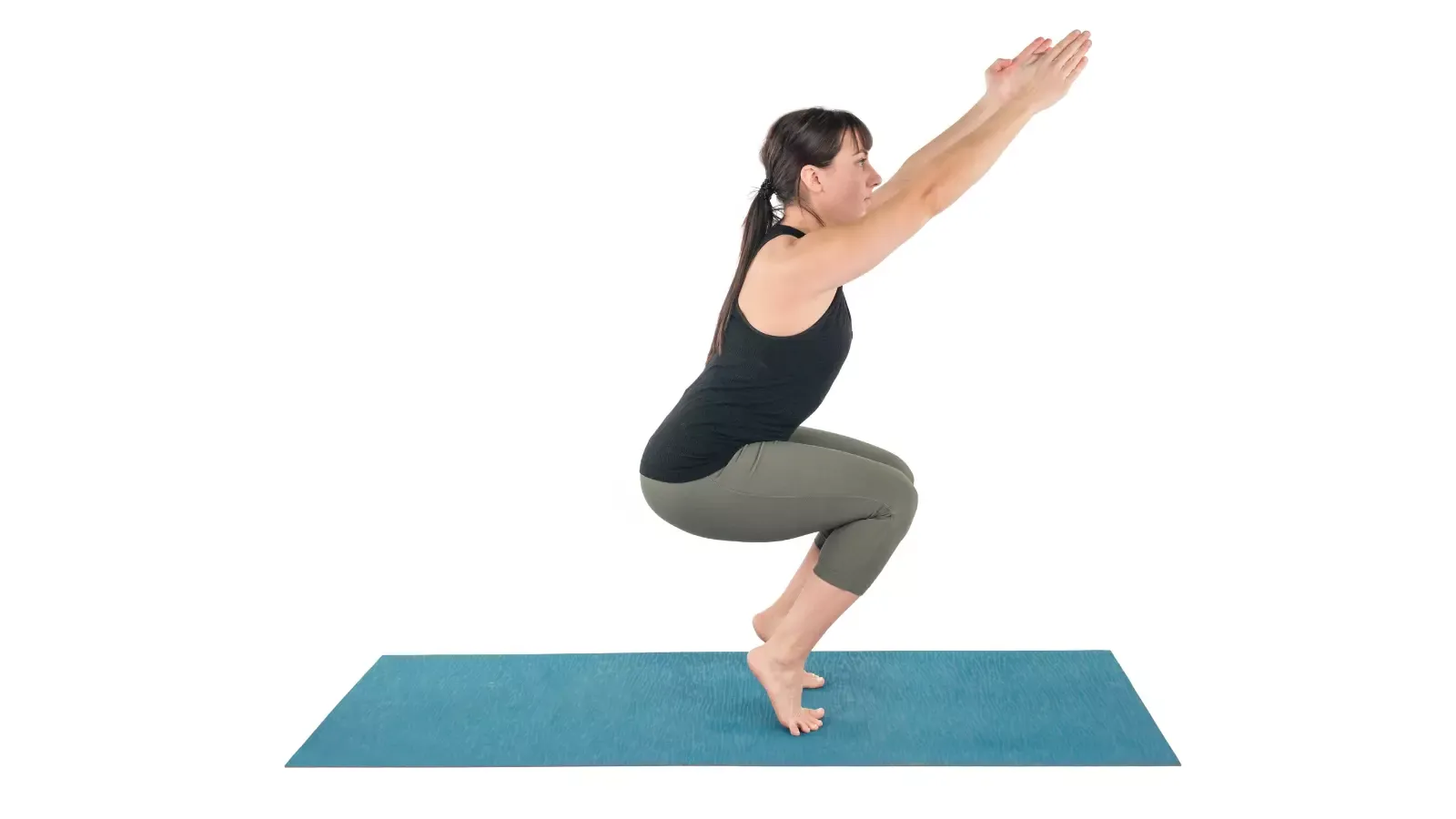
Photography relies on lines and shapes to guide the viewer’s eye. Use your limbs to form triangles within the frame. If you have one leg draped over the other, the space between your legs and the chair creates a triangle. This simple geometry is a classic trick used by editorial models to make a composition feel intentional rather than accidental. Focus on keeping your limbs disconnected from your torso to prevent your body from appearing like a single, solid block.
Angles and Perspective
Never face the camera perfectly square when sitting. Turning your body at a 45-degree angle helps to slim the frame and creates a sense of movement. If you’re sitting on the floor leaning against a chair, angle your hips away from the lens to create a more flattering profile. Always pay attention to your chin and jawline; pushing your chin forward slightly—often called the “turtle” movement—prevents double chins and defines your neck.
Essential Chair Models
Not every chair works for every pose. Choose your furniture based on the aesthetic you want to achieve.
- Mid-Century Modern Dining Chairs: Perfect for minimalist, clean-lined portraits.
- Velvet Armchairs: Ideal for moody, high-fashion, or editorial styles.
- Wooden Bar Stools: Great for showing off long legs and full-body outfits.
- Ghost Chairs: Excellent for modern, transparent effects that focus on the subject.
Pro Tip: If you feel like your pose is looking stiff, try shaking out your limbs and resetting your posture between every single shutter click to keep your muscles loose.
Managing Your Clothing
When sitting, clothes tend to bunch up or lose their intended drape. Take a moment to smooth your skirt, pants, or dress before the camera starts snapping. If you’re wearing a dress, ensure the hem is arranged neatly around your legs to avoid an messy appearance. Strategic fabric placement is just as important as your limb positioning; the way your outfit interacts with the chair can define the entire mood of the photograph.
Warning: Always check the stability of the chair before putting your full body weight on the backrest or armrests to prevent accidental falls during a session.
Related guides
Frequently Asked Questions
How do I stop looking stiff while sitting?
To avoid stiffness, keep your joints slightly bent. Never lock your knees or elbows, as straight lines often appear rigid on camera. Instead, focus on small, micro-movements like shifting your weight from one hip to the other. Keeping your breath steady and your jaw loose will also prevent the tension from showing up in your facial expressions, resulting in a much more natural and fluid look.
Should I look directly at the camera?
Looking directly at the lens creates a powerful, intimate connection with the viewer, but it isn’t the only option. Looking slightly off-camera can create a sense of mystery or candor. Try a mix of both. When looking away, pick a specific focal point in the room to keep your eyes from wandering aimlessly, which can make you appear distracted or detached.
What is the best way to position my legs?
The best leg position depends on the height of the chair. For high stools, dangling one foot while keeping the other on a rung creates a relaxed, model-off-duty look. If you’re in a low chair, crossing your ankles is more flattering than crossing your knees, as it creates a longer, leaner line. Always ensure your feet are pointed or angled to continue the line of your leg.
How do I make my legs look longer?
To elongate your legs, point your toes and extend your feet toward the bottom corners of the frame. Sitting on the very edge of the chair helps, as it prevents your thighs from flattening against the seat. Avoid wearing bulky shoes if you want to emphasize length, and try to keep your legs at a slight angle rather than pointing them straight toward the camera lens.
Can I lean on the chair back?
Leaning on the back of a chair is a great way to add casual energy to a shot. However, don’t put your full weight on it, as this can cause your shoulders to hunch or your neck to disappear. Instead, lightly graze the backrest with your shoulder blades or the back of your arms, keeping your posture tall and your chest open to the light.
Conclusion
Practice these techniques by setting up a mirror next to your chair, allowing you to see exactly how your body lines translate into a two-dimensional space. By focusing on your posture, limb angles, and the way your clothing drapes, you’ll quickly master the art of posing comfortably. Start by spending ten minutes each day experimenting with different seating heights and angles to build your confidence for your next shoot.