
Matching a sofa and chairs requires balancing visual weight, color harmony, and functional flow to create a cohesive living space. You can achieve a professional look by treating your furniture as a collection of related pieces rather than an identical set. This approach prevents a showroom aesthetic and allows your personality to shine through while maintaining the structural integrity of your room design.
Key Takeaways
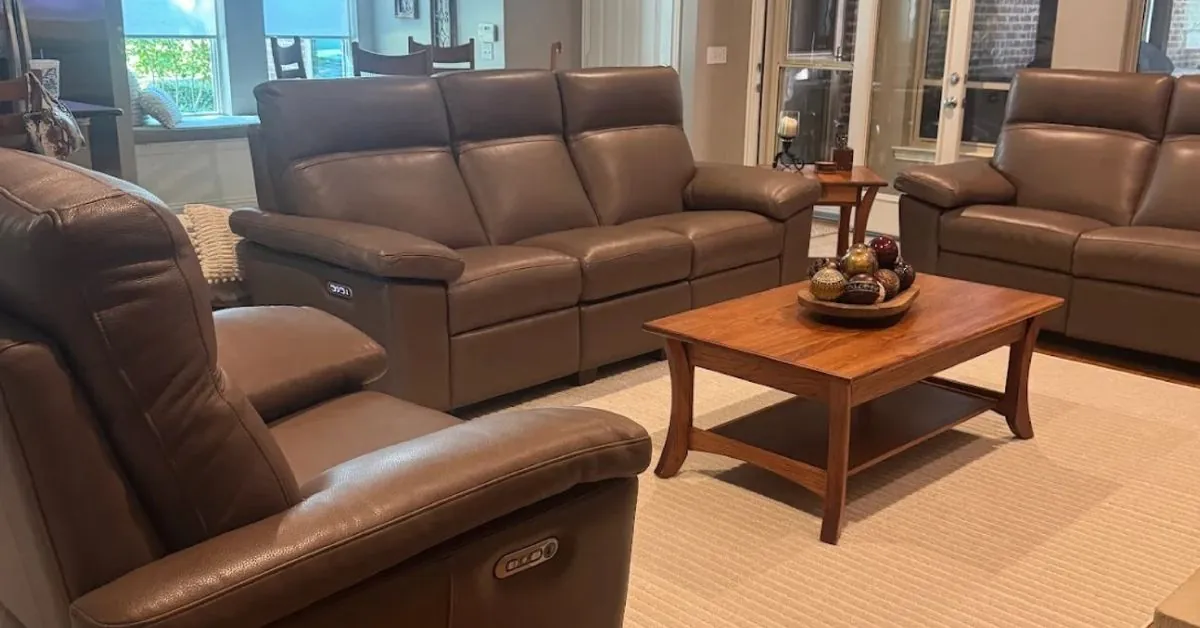
- Vary the textures of your sofa and chairs to create depth and visual interest.
- Use the 60-30-10 rule for color distribution to maintain a balanced palette.
- Prioritize scale and proportion to ensure your furniture pieces fit the room’s footprint.
- Incorporate a unifying element like a shared leg finish or wood tone.
- Select one piece as the focal point and allow the others to support it.
How to Match Sofa and Chairs
The most effective way to coordinate furniture is to focus on visual harmony rather than exact replication. When you choose a sofa, look for a neutral base color that allows you to introduce secondary colors through accent chairs.
If your sofa features a bold pattern, opt for solid-colored chairs in a complementary hue. Conversely, if your sofa is a solid neutral, you have the creative freedom to select chairs with textures like velvet, leather, or woven fabrics to add a layer of sophistication.
Determining Your Design Style
Establishing a consistent design language is essential for a polished appearance. Whether you prefer mid-century modern, traditional, or industrial styles, your furniture must share a common design DNA.
| Design Style | Sofa Characteristic | Accent Chair Ideal |
|---|---|---|
| Mid-Century | Tapered legs, slim profile | Low back, organic shapes |
| Traditional | Rolled arms, skirted base | Wingback, tufted upholstery |
| Industrial | Distressed leather, metal frame | Exposed iron, canvas fabric |
| Modern | Clean lines, block feet | Sculptural, metallic accents |
Balancing Scale and Proportion
A common mistake is selecting chairs that are too small or too large for the sofa. To maintain spatial balance, ensure the height of the chair back relates to the sofa. A high-back chair can look imposing next to a low-profile sofa, while a tiny chair might disappear visually. Consider the “visual weight” of each item; a sofa with heavy, blocky feet requires chairs that have a similar grounding presence, even if they’re physically smaller.
Why Color Coordination Matters

Color creates the emotional tone of your living room. You don’t need to match colors perfectly; instead, focus on color temperature. If your sofa has a cool grey tone, look for chairs with cool undertones in their fabric or frame.
You can also use the color theory principles provided by the Color Matters organization to find harmonious pairings. If you want a high-contrast look, pair a deep navy sofa with mustard yellow or cream-colored chairs to create a striking, deliberate visual impact.
Choosing Complementary Textures
Texture is the secret ingredient that prevents a room from feeling flat. If your sofa is upholstered in a smooth, matte fabric, introduce a chair with a tactile element like boucle, linen, or tufted leather. This contrast creates a sensory experience that makes the room feel lived-in and intentional.
Pro Tip: Use throw pillows or a coordinating blanket on your chairs that pick up the exact fabric or color of your sofa to tie the disparate pieces together seamlessly.
How to Arrange Your Furniture
The layout is just as important as the selection. Arrange your sofa and chairs to encourage conversation. A common layout involves placing the sofa facing the primary focal point, such as a fireplace or window, with two accent chairs angled toward the center of the room. This creates a defined seating zone that feels cozy and inviting. Ensure there’s enough space between pieces for comfortable movement; a minimum of 18 inches between a sofa and a coffee table is standard.
| Element | Purpose | Placement Tip |
|---|---|---|
| Sofa | Primary anchor | Center against the longest wall |
| Accent Chairs | Conversational partners | Angle toward the sofa center |
| Side Tables | Functional support | Place between chairs |
| Rug | Unifying base | Place front legs on the rug |
Troubleshooting Common Design Errors
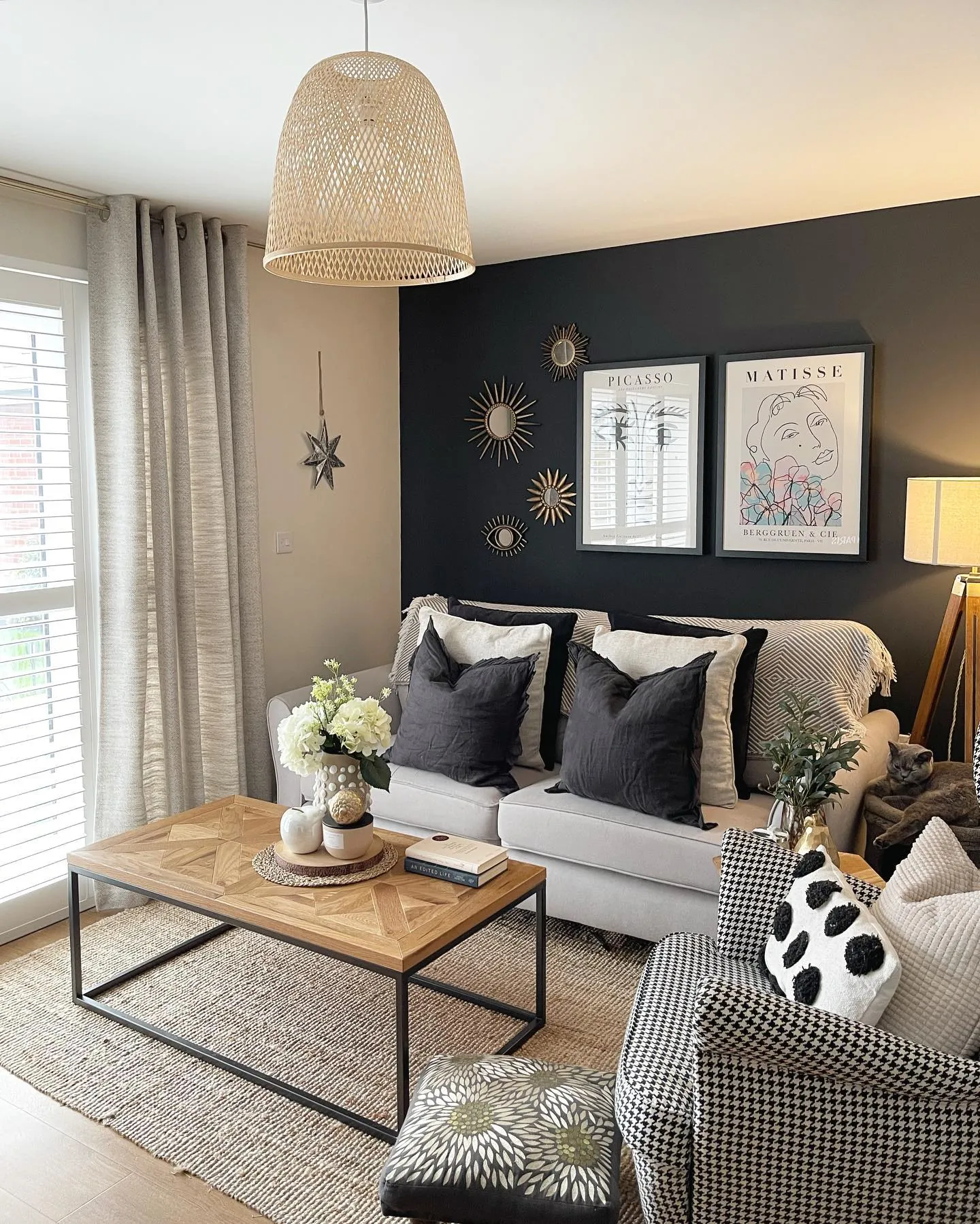
If your room feels disjointed, you likely have a clash of styles or scales. If the furniture feels mismatched in a negative way, try adding a large area rug that incorporates colors from both the sofa and the chairs. This acts as a bridge, pulling the items into a single, unified space.
Avoid cluttering the room with too many different wood finishes; try to keep your coffee table, side table, and chair legs within the same wood tone family to maintain a sense of order.
Warning: Don’t push all your furniture against the walls, as this creates a dead space in the center of the room and makes the seating group feel disconnected.
Frequently Asked Questions
Can I mix leather and fabric?
Yes, mixing materials is an excellent way to add depth. A leather sofa paired with fabric accent chairs creates a sophisticated, layered look. Ensure the shapes of the furniture pieces remain consistent to keep the transition between materials feeling intentional rather than accidental.
Should chairs match the rug?
Your chairs don’t need to match the rug exactly, but they should complement the colors found in its pattern. If you have a busy rug, choose solid-colored chairs to avoid visual overwhelm. If your rug is a neutral solid, you can be more adventurous with patterned or textured upholstery on your chairs.
How many accent chairs are needed?
For a standard living room, two accent chairs are typically ideal for balancing a sofa. This creates a symmetrical arrangement that feels formal and balanced. If your space is small, one accent chair can serve as a functional focal point without crowding the room. Use your available square footage as the primary guide for quantity.
Do wood legs need to match?
While they don’t need to be an exact wood species match, they should share a similar undertone. For instance, pairing a cherry wood finish with a dark espresso finish can look intentional, but mixing a warm golden oak with a cool grey-toned wood often creates an awkward visual clash.
Is pattern mixing allowed?
Pattern mixing is allowed if you vary the scale of the patterns. Pair a large-scale print on your sofa with a small-scale, subtle pattern on your chairs. Keeping the color palette limited to three or four main shades will ensure that the different patterns feel like a cohesive collection rather than a chaotic jumble.
Conclusion
Selecting furniture is a journey of defining your personal aesthetic. By carefully considering the scale, texture, and color of your sofa and chairs, you can create a beautiful space that feels both curated and comfortable. Start by identifying your primary sofa as the anchor and build the rest of your room around that foundation today.