
Pairing chairs with a sofa requires balancing scale, color, and texture to create a cohesive living room arrangement that feels intentional rather than accidental. When you introduce accent seating, the goal is to complement the anchor piece—your sofa—without overwhelming the space or making the room look like a showroom display of matching sets. By focusing on the relationship between silhouettes and fabric weights, you can achieve a professional aesthetic that elevates your home’s interior design.
Key Takeaways
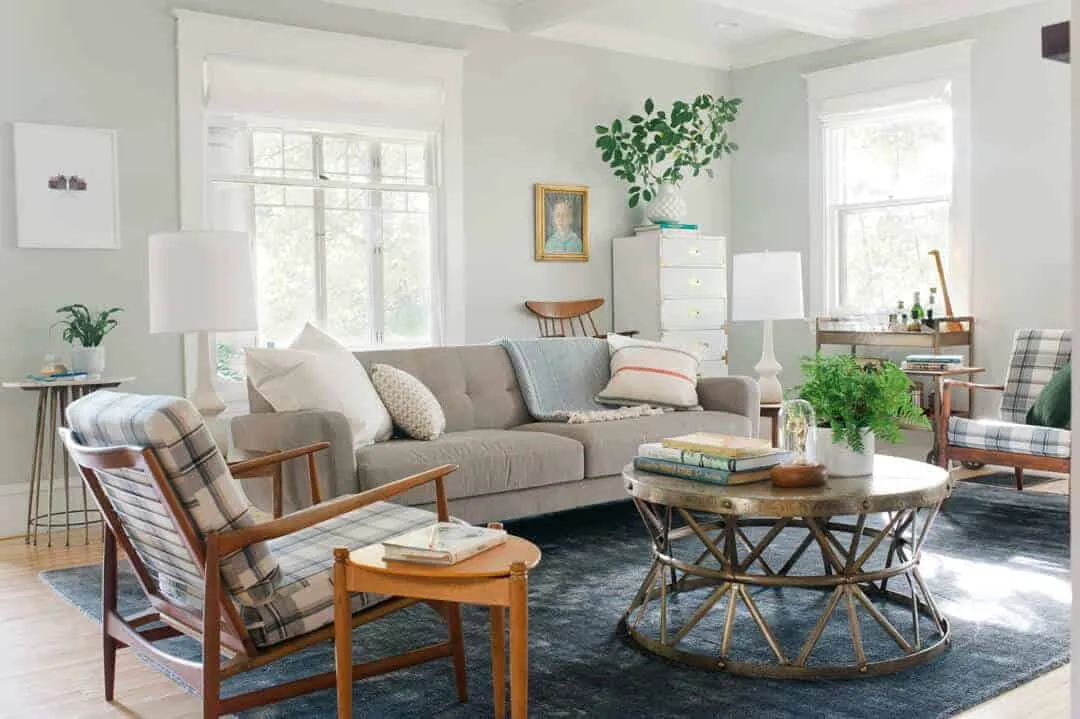
- Vary the height and profile of chairs to prevent a flat, monotonous visual line.
- Use a consistent color palette to tie mismatched furniture styles together effectively.
- Maintain clear traffic flow by leaving at least 18 inches between coffee tables and seating.
- Group chairs in pairs to create a sense of symmetry and formal balance.
- Mix textures, such as leather against linen, to add depth to your room.
How to Pair Chairs With Sofa
Successful furniture pairing relies on the “Rule of Three” or the “Balanced Asymmetry” method. If your sofa is a neutral, boxy mid-century piece, you should pair it with chairs that offer a softer silhouette or feature exposed wood frames. This contrast prevents the room from looking like a uniform block of fabric. Ensure your chairs don’t exceed the height of the sofa back significantly, as this can obstruct sightlines.
| Furniture Style | Best Pairing Strategy | Visual Impact |
|---|---|---|
| Modern Sofa | Organic shapes or velvet textures | Softens hard, angular lines |
| Traditional Sofa | Slim-profile mid-century chairs | Reduces visual clutter/heaviness |
| Sectional Sofa | One large swivel club chair | Creates a cozy, enclosed nook |
Choosing the Right Chair Scale
Scale is the most common mistake when mixing seating. If your sofa is deep and plush, a dainty, spindly-legged chair will look lost and out of place. Conversely, if your sofa is compact, two massive recliners will dominate the floor plan. Use proportional furniture sizing to ensure that your accent chairs feel like they belong in the same ecosystem as the sofa.
Pro Tip: If you’re unsure about scale, measure the footprint of your sofa and ensure the combined footprint of your chairs doesn’t exceed 60% of that area.
Balancing Color and Texture
You don’t need a perfect match to achieve harmony. Instead, focus on color palette cohesion by pulling one secondary color from a rug or throw pillow and applying it to the chairs.
If your sofa is a solid neutral, you have the freedom to introduce a bold pattern or a rich, contrasting texture like leather or bouclé. According to the American Society of Interior Designers, professional space planning emphasizes the importance of tactile variety to improve the user experience in residential environments.
Creating Symmetrical Layouts
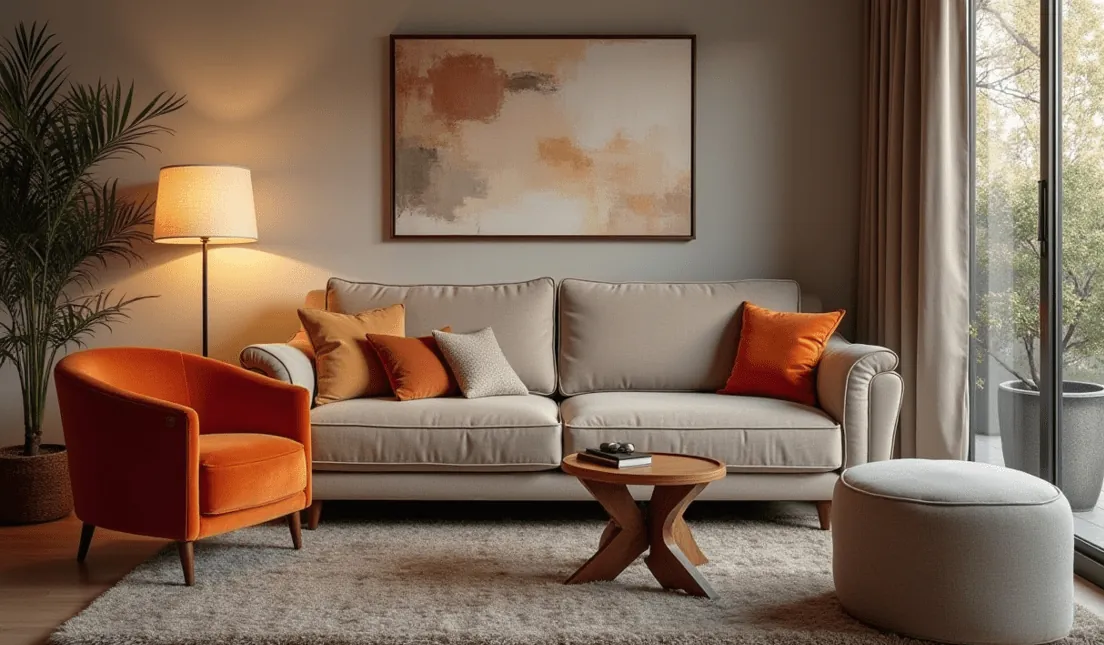
Symmetry provides a sense of calm and order. Placing two identical chairs directly across from the sofa, or flanking the sofa with one chair on each side at a slight angle, creates a classic conversation zone. This layout is ideal for formal living rooms where you want to encourage interaction. Use symmetrical furniture arrangements to anchor the room around a central focal point like a fireplace or a large window.
Mixing Modern and Vintage
Blending eras is the secret to a curated, high-end look. A vintage wingback chair can look stunning next to a sleek, track-arm sofa if they share a common thread, such as similar leg finishes or wood tones. The key is to keep the design aesthetic bridge consistent by ensuring the hardware—like nailhead trim or exposed metal—echoes elements found elsewhere in the room.
Why Is My Arrangement Off?
If your room feels “off,” it’s likely due to a lack of negative space or poor flow. Crowding too many pieces into a small area prevents the eyes from resting. If your chairs are too far from the sofa, the conversation zone feels fragmented.
Bring chairs closer to the coffee table or rug to unify the pieces. Ensure that your furniture placement complies with the National Fire Protection Association guidelines for clear egress paths and safe walking clearances in residential layouts.
Essential Furniture Pairing Tools
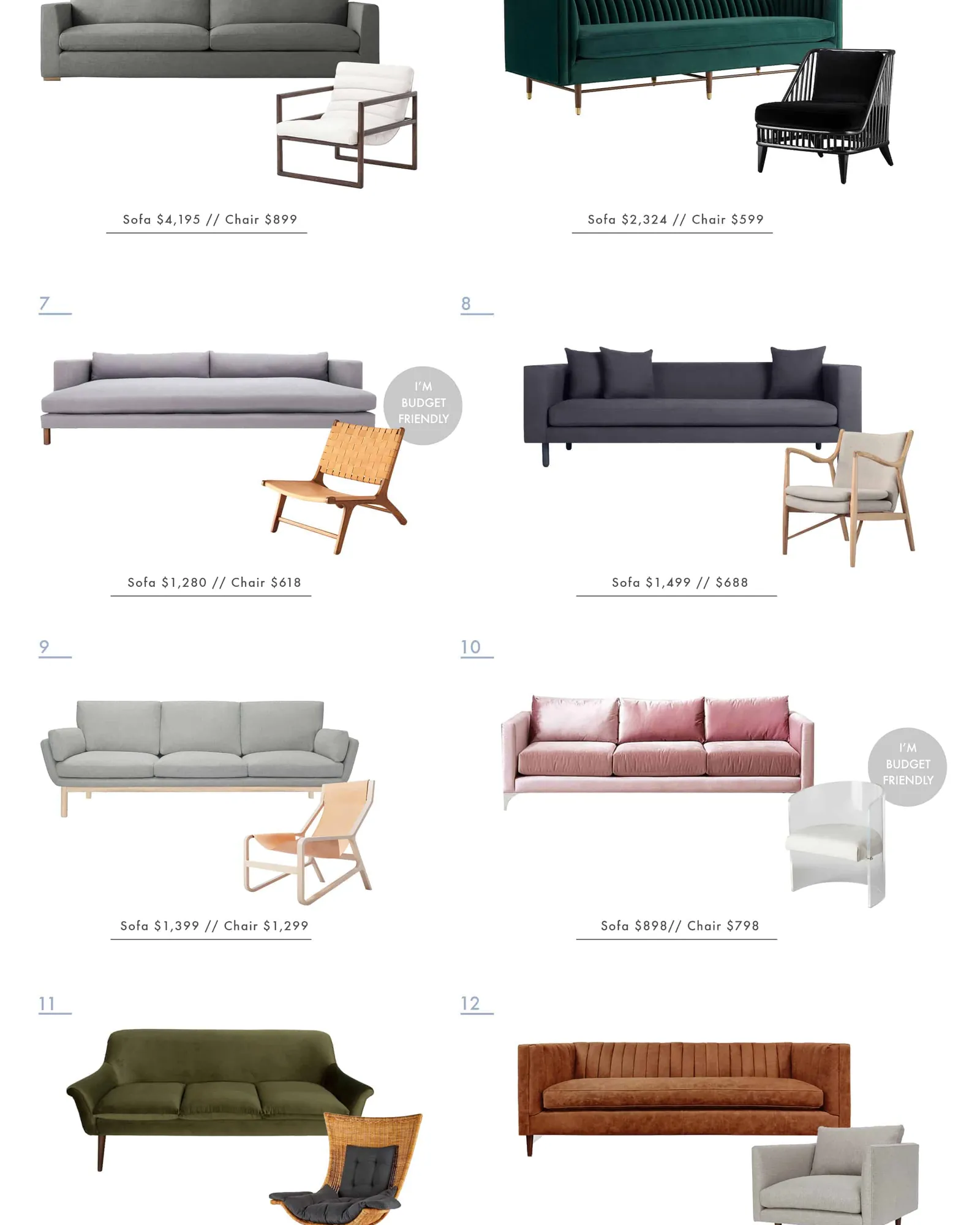
To visualize your layout, use basic tools to test the arrangement before committing to heavy lifting.
- Painter’s Tape: Use this on the floor to outline the footprint of potential new chairs.
- Digital Floor Planners: Apps like Planner 5D help you test scale.
- Fabric Swatches: Tape these to your sofa to check color compatibility.
- Mood Boards: Create a digital collage to see if the styles clash.
Related guides
- 10 Best Gray Accent Chairs for Your Living Room Upgrade
- 10 Best Sleeper Chair Picks for Compact Living Spaces
- 10 Best Leather Office Chairs for Comfort and Workspace Layouts
Frequently Asked Questions
Should chairs match the sofa exactly?
Matching everything creates a dated look. Modern design favors “coordinated” rather than “matching” furniture. Choose chairs that share a design element, such as a similar leg finish or a complementary fabric color, rather than buying from a pre-made set. This approach makes the room feel curated and personal, reflecting a sophisticated eye for design rather than a simple catalog purchase.
How far apart should chairs be?
Aim for a distance of 18 to 24 inches between the coffee table and the chairs. For the chairs themselves, keep them within 8 to 10 feet of the sofa to ensure a comfortable conversation distance. If the chairs are too far away, the room will feel disconnected and guests will struggle to hear one another during social gatherings.
Can I mix leather and fabric?
Absolutely. Mixing textures is a hallmark of professional interior design. A leather chair adds a masculine, durable touch that breaks up the softness of an upholstered fabric sofa. Ensure the undertones match; if your fabric has warm, earthy tones, choose a cognac or tan leather rather than a cool, blue-toned black leather to maintain visual harmony.
How do I group chairs in corners?
Corners are perfect for “reading nooks.” Place one or two chairs at a 45-degree angle to the corner, accompanied by a small side table and a floor lamp. This creates a secondary zone that feels distinct from the main sofa area. By adding a small rug underneath the chairs, you effectively define this space as a separate, functional “room within a room.”
Is it okay to use different wood tones?
Yes, but try to keep the undertones consistent. If your sofa legs are a warm walnut finish, avoid pairing them with a chair that features a cool, gray-washed oak. You can mix different species of wood as long as the overall “temperature” of the wood—warm or cool—aligns. This creates a layered, interesting look that feels collected over time rather than purchased all at once.
Conclusion
Start by identifying the primary function of your living room, as this will dictate how many chairs you actually need and where they should live. Move your existing furniture into a temporary arrangement this weekend to test the flow. Once you feel the space “breathe,” you’ll know exactly what style of accent chair will complete your perfect living room.