
You can improve your posture by performing targeted strengthening and stretching exercises daily to help you maintain a straight back while sitting or standing. This process usually takes 4 to 8 weeks of consistent practice to notice a real change. It’s a medium-difficulty task that requires patience and a chair without wheels for your first few training sessions.
Tools to keep your back straight
| Item | How much | Why it’s needed | A substitute |
|---|---|---|---|
| Firm chair | 1 unit | Supports neutral spine | Bench with support |
| Resistance band | 1 piece | Targets shoulder blades | Small hand towel |
| Yoga mat | 1 piece | Provides floor grip | Thick carpet |
| Mirror | 1 large | Checks body alignment | Phone camera |
| Timer | 1 device | Tracks hold duration | Clock on wall |
Preparing your space
- Clear a 6-foot by 6-foot area so you can move your arms without hitting walls or furniture.
- Switch off your phone notifications to ensure you focus on your muscle engagement.
- Empty your pockets of keys or phones to prevent discomfort while lying on the floor.
- Consult a physical therapist if you have chronic back pain, as they provide guidance on safe spinal movement.
- Avoid starting this if you have a recent injury or sharp nerve pain.
Steps to improve your posture
- Stand against a flat wall with your heels 2 inches away from the baseboard.
- Press your shoulder blades back until they touch the wall, keeping your chin level.
- Hold this position for 30 seconds to train your brain to recognize the neutral alignment.
- Sit on your firm chair and place your feet flat on the floor, hip-width apart.
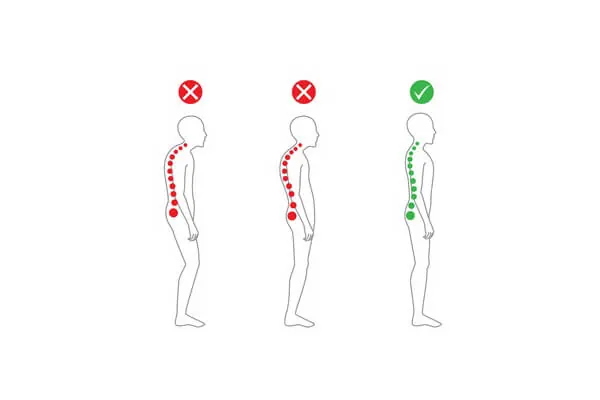
- Imagine a string pulling the top of your head toward the ceiling to lengthen your spine.
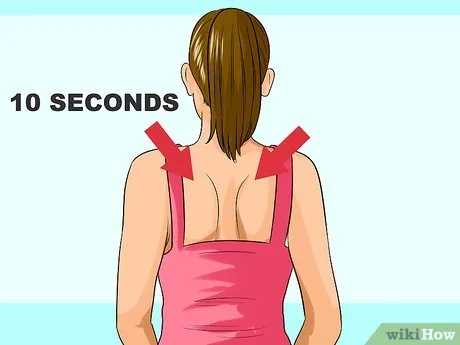
- Pull your shoulder blades down and back, holding for 10 seconds to activate the muscles.
- Repeat this shoulder movement 5 times to build endurance in your upper back muscles.
- Check your progress in the mirror to ensure your ears are directly over your shoulders.
- Walk around the room for 1 minute while keeping your chest open and shoulders relaxed.
Signs of success and adjustment
You have achieved better alignment when you can hold a neutral spine for 60 seconds without feeling muscle strain. If you feel your shoulders rounding forward after only 10 seconds, you need another round of daily strengthening. A successful session leaves you feeling taller and more open in the chest. If your lower back aches during these exercises, stop immediately and reduce the intensity of your arch. You must monitor your own pain levels to ensure you don’t overstretch.
Troubleshooting common issues
| What happened | Why | What to do |
|---|---|---|
| Neck tension | Chin is too high | Tuck chin slightly |
| Lower back pain | Excessive arching | Tighten stomach muscles |
| Shoulders rounding | Weak back muscles | Use resistance bands |
| Balance issues | Tight hip muscles | Stretch legs first |
| Dizziness | Holding breath | Breathe deeply always |
Frequency of your practice
You should perform these exercises 1 to 2 times every day for the best results. The speed of your progress depends on your current muscle strength and the amount of time you spend sitting during the day.
If you work at a desk for 8 hours, you must take breaks every 60 minutes to reset your posture. Consistency matters more than the duration of each session.
Most people fail by attempting long, grueling workouts only on weekends. This approach causes muscle fatigue without building the necessary motor patterns. If you feel sharp pain, stop immediately and reduce your frequency to once daily. If you feel only mild tension, stay the course. You’ll see results within three weeks if you prioritize daily repetition over intensity.
Frequently asked questions
How long does it take to fix rounded shoulders?
It takes 6 to 12 weeks of daily training to see a permanent change in your resting posture. You can verify your progress by comparing photos taken from the side each month.
Is it safe to force my back straight?
It isn’t safe to force your spine into a rigid position, as this causes muscle spasms. You should aim for a natural, relaxed alignment that feels stable rather than stiff.
What happens if I keep slouching?
Slouching for long periods leads to muscle imbalances and chronic neck pain. The exact point where this becomes a medical issue varies by person, so check for persistent soreness.
Does it matter if my chair has armrests?
It matters because armrests often force your shoulders upward if they’re too high. You should adjust your chair height so your elbows stay at a 90-degree angle.
How do I know if my posture is bad?
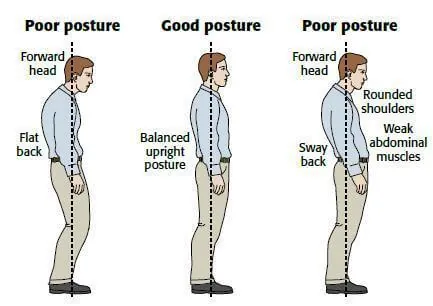
You can confirm your posture is poor if your head sits forward of your shoulders when viewed from the side. A mirror check is the most reliable way to identify this.
Can I fix my back while sleeping?
You can’t fix your posture while sleeping, but you can improve your spinal health by using a supportive pillow. A firm mattress helps maintain natural curves while you rest.
Conclusion
Improving your posture is a slow process that rewards daily attention to how you move. By focusing on the small adjustments you make while sitting and standing, you’ll eventually find that a straight back becomes your natural, comfortable state.