
To choose the right dining table for your home, measure your room and ensure there is at least 36 inches of clearance around the table for chairs.
Choosing the right size for your dining table
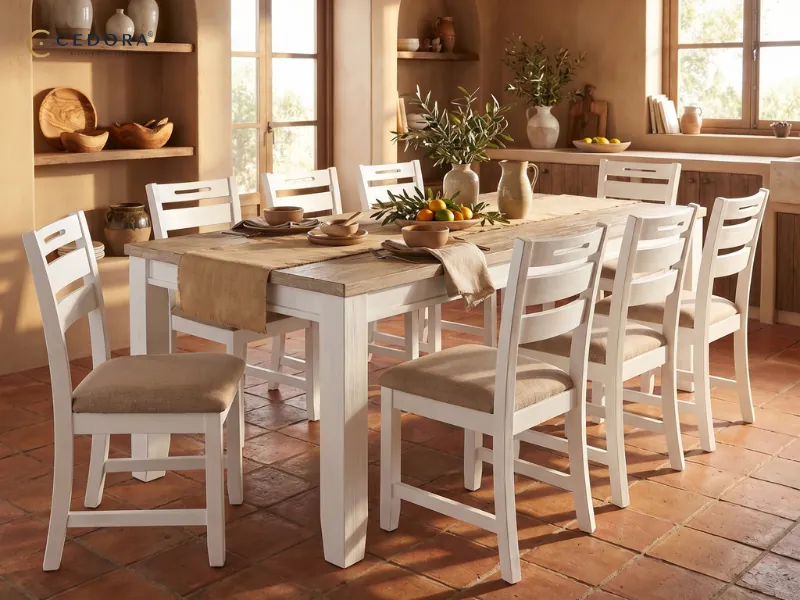
A dining table is the center of your kitchen or dining area, meant for daily meals and social gatherings. It’s a piece of furniture that defines the flow of a room, so its size and shape matter more than its style. Select a size that fits your space comfortably during everyday use.
Steps for Selecting Your Table
- Measure the length and width of your dining space in inches to know your absolute maximum footprint.
- Subtract 72 inches from both your length and width measurements to account for the recommended 36 inches of chair clearance on all sides, as suggested by the University of Florida Extension for safe movement.
- Determine how many people you need to seat daily, allowing 24 inches of table edge per person.
- If you have a square room, pick a square or round table; if your room is rectangular, choose a rectangular or oval shape.
- Check if your table base allows for easy chair tucking; pedestal bases often provide more legroom than four-legged tables.
- Test the height by ensuring there’s at least 10 inches of space between the top of the seat and the underside of the table.
The most important judgment call is choosing between a fixed size and an extendable model. If you host often in a small room, an extendable table provides both daily comfort and extra space.
Table Sizes and Capacity
| Shape | Best For | Typical Length | Clearance Needed |
|---|---|---|---|
| Round | Small groups | 36–48 inches | 36 inches around |
| Rectangular | Large families | 60–84 inches | 36 inches around |
| Square | Pairs | 36–40 inches | 36 inches around |
| Oval | Narrow rooms | 60–72 inches | 36 inches around |
Achieving a Balanced Look
Experienced buyers look at the proportions of the room before the table itself. They avoid placing a long, narrow table in a wide, square room because it makes the space feel unbalanced. Instead, they match the table shape to the shape of the room to create visual harmony.
They also check the table’s material for their specific lifestyle. If you have young children, avoid high-maintenance surfaces like marble or glass. Choose wood or laminate for heavy daily use. Always buy the table before the chairs to ensure armrests fit under the apron.
Common Issues and Solutions

| What you notice | What it means | What to do |
|---|---|---|
| Table wobbles | Uneven floor or legs | Use adjustable levelers |
| Chairs hit wall | Room is too small | Switch to a smaller size |
| Scratches appear | Soft wood surface | Apply a protective table pad |
| Tight seating | Not enough edge space | Use narrower dining chairs |
Legal and Safety Standards
Furniture safety isn’t just about comfort; it involves stability and material safety. In the United States, the Consumer Product Safety Commission oversees furniture stability to prevent tip-over accidents. You should ensure your table base is heavy enough to support the top without leaning.
If you’re buying a table for a child-heavy home, look for rounded edges to reduce the risk of injury from bumps. Always verify that the finish used on the table meets your local air quality standards for indoor furniture.
Keeping Your Table Looking New
To maintain your table, clean it with a soft, damp cloth and wipe it dry immediately. Avoid using harsh chemical cleaners, as they can strip the finish or damage the wood grain over time. If you notice the surface looking dull, use a furniture polish recommended by the manufacturer. The lifespan of your table finish depends on how often you use it and how you protect the surface with coasters or mats during meals.
When to Choose Alternatives
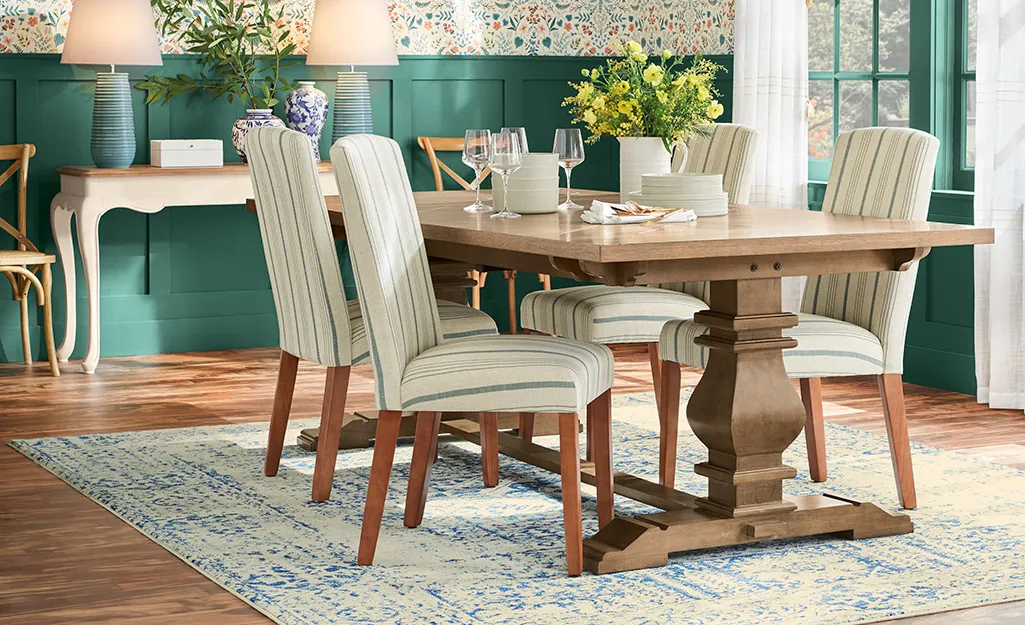
If you have a very tiny apartment, a standard dining table might be the wrong choice. In this case, a wall-mounted drop-leaf table or a bar-height counter table is a better option. These alternatives save floor space while still providing a surface for eating. If your space is primarily for formal entertaining rather than daily use, you might choose a heavy, solid wood table that isn’t meant to be moved often.
Related guides
- How Do I Treat a Dining Room Table: A Step-by-Step Guide
- 10 Best Home Office Chairs Under 300 for Daily Comfort
Frequently Asked Questions
Can a round table fit in a small room?
Yes, a round table is often better for small rooms because it lacks sharp corners, making it easier to walk around the furniture in tight spaces.
How much space do I need between chairs?
You need at least 6 inches between chairs to ensure guests don’t bump elbows while eating, which requires about 24 to 30 inches of table edge per person.
Is it safe to buy a glass table?
Yes, it’s safe if you choose tempered glass, which is designed to shatter into small, blunt pieces rather than sharp shards if it happens to break.
How long does a dining table last?
It varies based on the material and care, but a high-quality solid wood table can last for decades if it’s kept away from direct heat sources.
What happens if the table is too tall?
If the table is too tall, it makes eating uncomfortable because your elbows will be positioned too high, which can lead to shoulder strain during long meals.
How do I measure for a pedestal table?
You measure the diameter for round tables or the length and width for oval tables, making sure the pedestal base allows enough room for your feet.
Choosing the right table comes down to your daily habits and the physical limits of your floor plan. By focusing on clearance and material durability first, you’ll find a piece that serves your home well for many years.
Conclusion
Once you have a clear idea of the size and style you prefer, head to a local furniture store to test a few pieces in person. Don’t be afraid to sit down and imagine your family gathering there. It’s the best way to ensure you’ll truly enjoy your new centerpiece for years.