
To find the right seat for your space, you should measure your available floor area and consider how to choose an accent chair that fits your daily needs. The best choice balances your existing room style with the physical comfort you require for reading, relaxing, or hosting extra guests.
Types of accent chairs at a glance
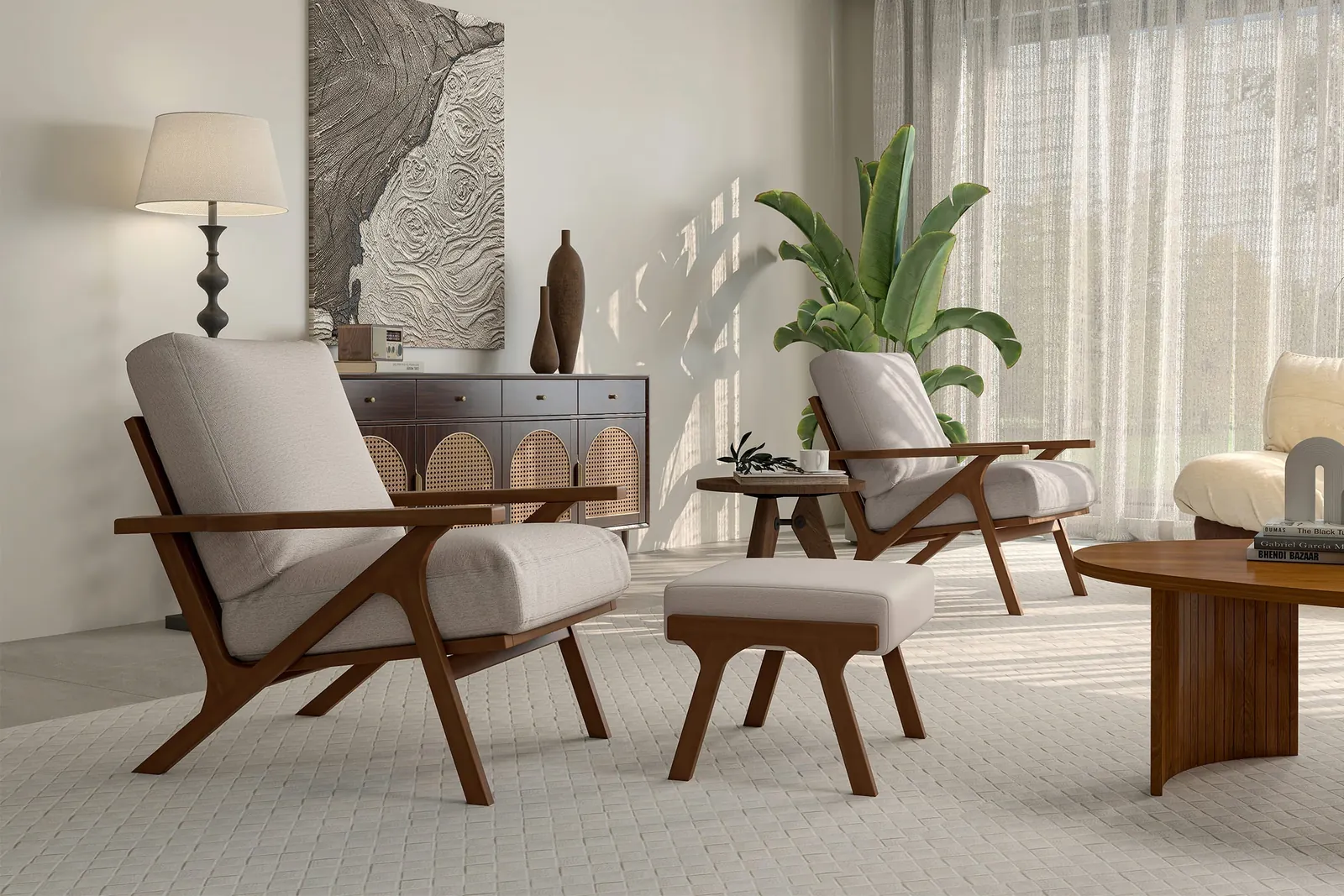
Selecting the correct seat depends on your room size and your primary goal. This table breaks down common styles to help you compare your options before you buy.
| Chair Type | Best For | Popular Example |
|---|---|---|
| Armchair | Daily comfort | Wingback chair |
| Slipper chair | Small spaces | Armless fabric chair |
| Club chair | Deep seating | Leather lounge chair |
| Barrel chair | Curved support | Rounded back chair |
| Chaise lounge | Full relaxation | Long reclined seat |
Armchair comfort
An armchair provides full support for your arms and back, making it the most versatile choice for a living room. It suits people who want a dedicated spot for reading or watching television.
- Provides stable support for your arms to reduce shoulder strain.
- Offers a classic look that anchors a corner of the room.
- Includes cushions that can be rotated to prevent uneven wear.
If you have a tight corner, choose a model with a width under 30 inches to ensure it doesn’t overwhelm the space. For example, a standard wingback armchair usually requires a footprint of at least 32 by 32 inches to sit comfortably without blocking walkways.
Slipper chair efficiency
A slipper chair features an armless design that creates an open, airy feeling in smaller rooms. It suits those who need extra seating that doesn’t visually crowd a bedroom or a narrow apartment hallway.
- Fits easily into tight spots where an armchair would be too wide.
- Creates a clean, modern aesthetic because of the simple frame.
- Allows for easy movement since there are no armrests to navigate.
If you’re tall, look for a seat depth of at least 20 inches to ensure your legs remain supported. A typical slipper chair takes up about 24 inches in width, making it ideal for placing near a window or vanity.
Club chair durability
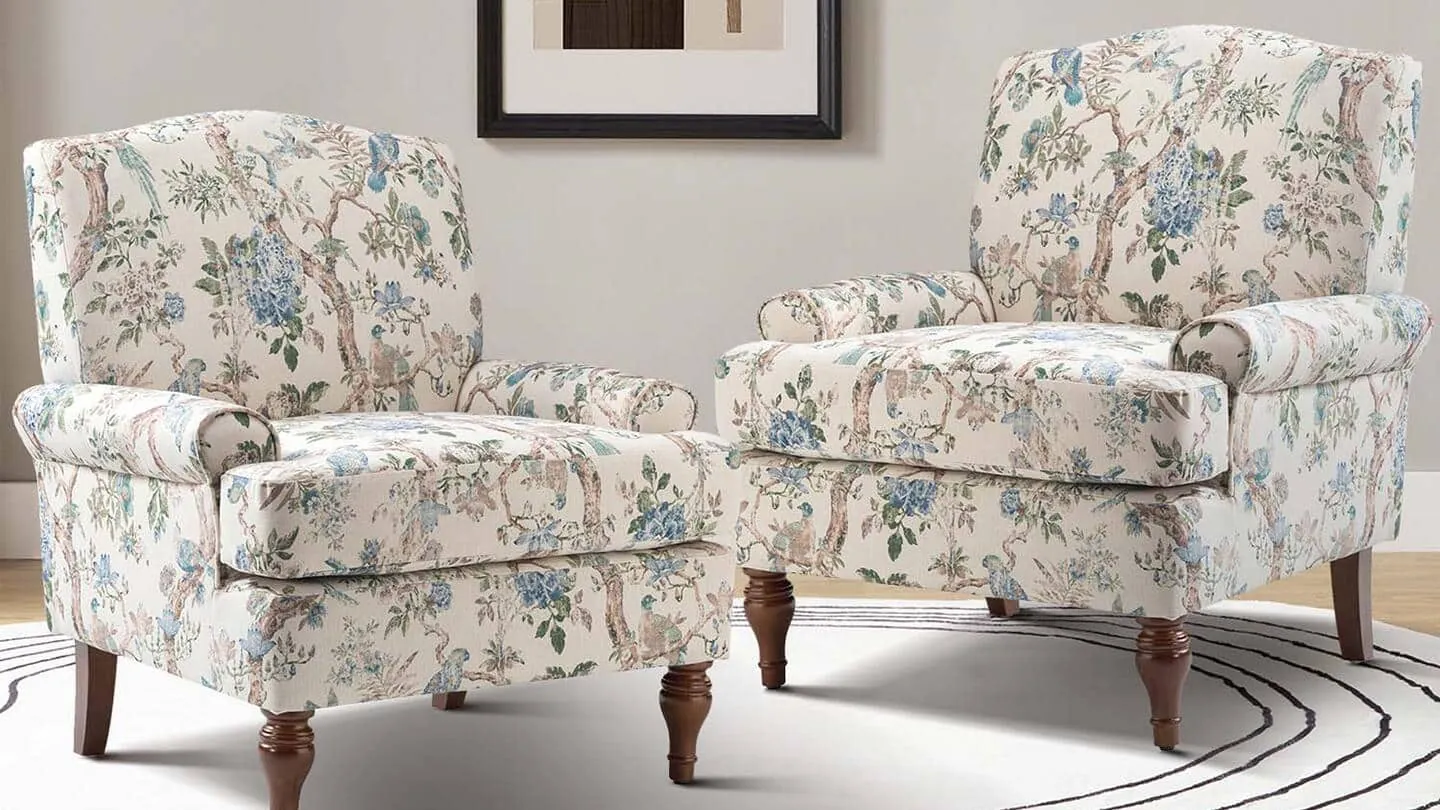
A club chair is a deep, low-profile seat usually upholstered in leather or heavy fabric. It suits people who prioritize a cozy, sunken-in feel for their home office or den.
- Offers a sturdy frame that lasts for many years with basic care.
- Provides deep cushioning for long periods of sitting.
- Resists stains better if you select high-quality top-grain leather.
The Consumer Product Safety Commission provides upholstered furniture safety information to help you check for fire retardant standards. This chair isn’t for people who need high back support for upright posture, as the design encourages a reclined, relaxed position.
Barrel chair support
A barrel chair features a rounded, semi-circular back that wraps around the sitter. It suits those who want a piece that acts as a sculptural focal point while offering firm, contained support for the lower back.
- Provides a sense of privacy because of the high, curved sides.
- Matches well with round coffee tables or circular room layouts.
- Includes a firm seat base that makes getting up easier than deep sofas.
If you want to use this for long periods, ensure the back height reaches at least 15 inches above the seat cushion. Most barrel chairs measure about 28 inches in diameter, which works well in small conversation circles.
Remaining chair styles
- Chaise lounge: This long chair features an extended seat for your legs, ideal for dedicated nap or reading areas.
- Occasional chair: These are lightweight, portable seats meant for temporary use, perfect for moving between rooms when guests arrive.
- Swivel chair: Designed with a rotating base, these are best for open-concept rooms where you need to turn toward different conversation zones.
Selecting the right fit

Your decision rests on three main factors: your available floor space, your intended use, and your existing home decor. If you have a small apartment, choose a slipper chair to keep the room feeling open. If you want a dedicated reading nook, prioritize an armchair with high back support.
Picking one style usually means committing to its specific silhouette, so consider if you prefer a modern, armless look or a traditional, structured feel. These choices can’t easily be combined into one piece, so identify your main priority—space, comfort, or style—before you make your final purchase.
Frequently asked questions
How much space do I need for an accent chair?
You need at least 30 inches of width and 30 inches of depth for a standard chair. Always measure your floor space first, leaving 18 inches of clearance around the chair for comfortable movement.
Is it safe to buy a used accent chair?
It’s safe if you inspect the frame for cracks and check the fabric for signs of pests or heavy stains. Always test the springs by sitting down firmly to ensure the internal support structure remains intact.
How long should an accent chair last?
A well-made accent chair lasts for a significant period with regular maintenance. This depends on the frame material, such as solid wood versus particle board, and the frequency of daily use.
Does it matter if the fabric is synthetic?
It doesn’t matter for durability, as synthetic fabrics like polyester often resist fading and stains better than natural fibers. Check the manufacturer’s tag for the specific cleaning code to ensure it matches your lifestyle.
Why is my chair back creaking?
The creaking usually happens because the wood frame joints have loosened over time or the internal springs are rubbing against the frame. Tighten any visible bolts, but if the noise continues, consult a professional furniture restorer.
How often should I rotate the cushions?
You should rotate the seat cushions every 3 months to prevent sagging and uneven wear. This simple habit keeps the foam density consistent and extends the life of your chair’s support system.
Conclusion
Measure the height of your current sofa to ensure your new chair doesn’t look out of place next to it. Start by clearing the space where you plan to put the chair and checking that the seat height matches your comfort preference. Stop and ask for professional help if you notice structural damage or deep cracks in the wooden frame.