
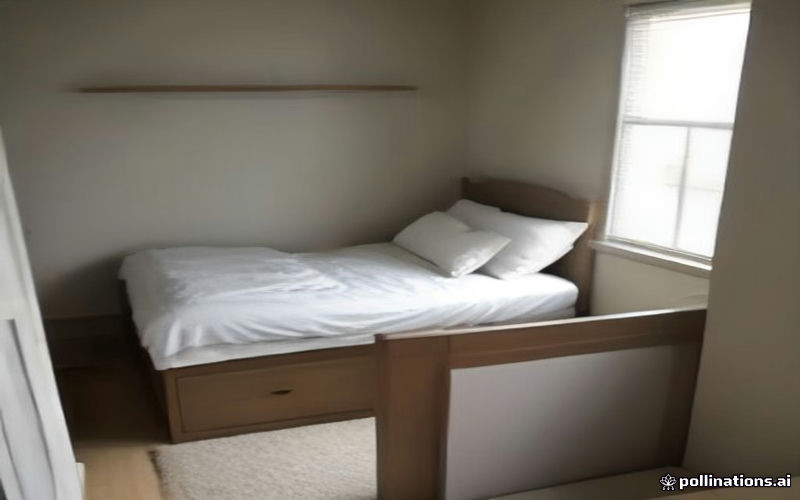

A bedroom should feel like a restful escape, but in a small room, the bed often becomes the only place to sit. When you want to read a book, put on your shoes, or talk on the phone, sitting on your pillows can feel awkward. It also wrinkles your bedding and makes the room feel less functional during the day.
I used to think my own small bedroom was simply too tight for extra furniture. Every layout I sketched seemed to block a doorway or crowd the dresser. Over time, I learned that the problem was not the lack of square footage. The real problem was picking the wrong kind of furniture and placing it in the wrong spots.
You do not need a massive suite to enjoy a comfortable perch. With careful planning, smart measurements, and dual-purpose pieces, you can easily create a cozy spot to sit. Here is my complete guide on without making the space feel crowded.
Choose the Right Spot First
Before you start shopping for furniture, you must study your floor plan. The secret to small spaces is locating dead zones that currently serve no purpose. Walk around your room and pay close attention to awkward gaps, unused corners, and empty walls.
In my experience, corners near windows are the easiest places to start. These pockets rarely get heavy foot traffic, and natural daylight makes them naturally inviting. Another great spot is the empty space at the foot of your bed, provided you have enough room to walk past.
Look closely at your door swings as well. Check the swing path of your bedroom door, your closet doors, and your dresser drawers. Any seat you add must sit safely outside these zones. If opening a drawer requires sliding a chair out of the way, that chair will quickly become an annoying obstacle.

Try an End of Bed Storage Bench
Placing a bench at the foot of the bed is one of my favorite small bedroom tricks. This layout works because it extends the footprint of your bed rather than eating into open floor space. It visually anchors the bed and provides a neat, dedicated spot to sit while dressing.
When I chose a bench for a compact room, I made sure it had a lift-up lid. A storage bench gives you hidden space for extra sheets, heavy blankets, or out-of-season clothing. This dual function frees up precious room in your closet, which makes the whole bedroom feel larger.
Keep scale in mind when you measure for this setup. The bench should be slightly narrower than your mattress, ideally leaving a few inches of room on each side. It should also sit level with or slightly lower than the top of your mattress so it does not block sightlines across the room.
Pick an Armless Chair with Exposed Legs
If you want a dedicated reading chair, pay close attention to the visual weight of the frame. Big, overstuffed armchairs with skirted bases look heavy and swallow up small rooms. They block light and stop the eye from traveling across the floor.
Instead, look for a slipper chair or an armless accent chair with tall, slender legs. When furniture sits up on thin wooden or metal legs, you can see the floor underneath it. That visible floor space instantly tricks your brain into seeing an open, airy room.
I tested an armless chair in a tight corner next to my nightstand and found it far easier to use than a standard armchair. Because it had no arms, I could sit down from the side without bumping my elbows. It slipped neatly into the corner while still offering great comfort.

Use Tuck-Away Stools and Ottomans
You do not always need a full-backed chair to enjoy comfortable seating. Small poufs, round ottomans, and wooden stools take up very little space and move around with ease. They provide a sturdy perch when you need one and disappear when you do not.
I like using a compact vanity stool that slides completely under a desk or a floating shelf. When I finish working or getting ready, I slide the stool out of sight. The walkway stays clear, and the floor looks tidy.
Upholstered cubes also work well because they can double as bedside tables. Top a firm ottoman with a wooden tray to hold your water glass and a book at night. During the day, simply move the tray aside and use the piece as an extra seat.
Turn a Window Sill into a Built-In Nook
If your room has deep window sills, you already have built-in seating waiting to be used. Low windows offer prime real estate that traditional furniture often blocks. By framing this area, you turn an awkward architectural feature into a functional focal point.
You can create a simple window perch by placing a custom foam cushion directly on a sturdy sill. Add a couple of small throw pillows for back support, and you have an instant reading nook. This approach requires zero floor space, which makes it ideal for narrow rooms.
If your sill is too narrow, you can push a low storage chest directly beneath the window. Just ensure the chest sits flush against the wall and does not block heat vents or baseboard heaters. This setup captures natural light and provides a quiet zone away from the bed.
Practical Seating Dimensions and Walkway Clearances
Planning your layout requires accurate numbers. Squeezing a seat into a tight space will only work if you leave enough breathing room to move comfortably. Use these practical dimensions as a reference when planning your layout.
| Seating Type | Typical Width (Inches) | Typical Depth (Inches) | Minimum Walkway Clearance (Inches) | Best Location |
|---|---|---|---|---|
| Storage Bench | 36 to 48 | 15 to 18 | 24 to 30 | Foot of the bed |
| Slipper Chair | 22 to 28 | 26 to 30 | 30 | Unused corner |
| Round Pouf / Ottoman | 16 to 20 | 16 to 20 | 20 | Beside nightstand or dresser |
| Vanity Stool | 14 to 18 | 14 to 18 | 18 | Tucked under a shelf or desk |
| Window Seat Cushion | Custom | 12 to 16 | 24 | Along a low window wall |
I always keep a minimum walkway clearance of twenty-four inches around the primary pathways in a bedroom. If a walkway drops below two feet, you will find yourself bumping into furniture corners in the dark.
Mistakes to Avoid in Tight Bedrooms
The most common mistake I see is buying furniture that is too large for the room. In a showroom, a plush chair might look small, but it can easily overwhelm a ten-by-ten bedroom. Always use painter's tape on your floor to outline the exact dimensions before buying.
Another major error is blocking natural paths of motion. If you must shimmy sideways to get into bed or reach your closet, your seating is in the wrong spot. Walkways should feel natural and effortless to navigate.
Watch out for visual clutter as well. Avoid heavy, dark fabrics or busy patterns on small bedroom seating. A dark, solid block in the corner draws the eye straight to the floor and highlights how small the room is. Stick to neutral fabrics, textured weaves, or soft tones that blend into your wall color.
Lastly, resist the urge to turn your new seat into a dumping ground for worn clothes. A chair in a bedroom easily turns into a secondary closet if you are not careful. If a seat becomes covered in laundry, it stops serving as a relaxing place to sit.
Smart Styling Tricks for Small Spaces
To make your new seat feel like a natural part of the room, you should style it with restraint. A single lumbar pillow is usually enough for an accent chair. Too many decorative cushions will crowd the seat and leave no room for you to actually sit down.
Consider lighting as well. If you add a reading chair to a dark corner, pair it with a wall-mounted sconce instead of a bulky floor lamp. Wall lamps free up valuable floor space while delivering targeted light right where you need it.
You can also use a small round mirror on the wall behind your chair. Mirrors bounce natural light back into tight corners and create an illusion of depth. This makes your reading nook feel like its own distinct zone rather than an afterthought squeezed into a corner.
Frequently Asked Questions
Where is the easiest place to add seating in a small bedroom?
The easiest spot is usually an empty corner or the foot of your bed. These areas rarely interrupt your main walking paths and make use of dead floor space.
How much space do I need between a bed and a bench?
You need at least twenty-four to thirty inches of clear walkway space. This gives you enough room to walk by comfortably without bumping your shins on the corners.
What style of chair works best in a cramped room?
Armless slipper chairs work best because they have a slim profile. Choosing a chair with exposed, raised legs also keeps the floor visible, which makes the room feel open.
Can an ottoman work as both a table and a seat?
Yes, a firm upholstered ottoman is a great dual-purpose piece. You can use a flat wooden tray to hold drinks or books, then remove the tray when you need a seat.
How do I prevent a bedroom chair from collecting clothes?
Keep your laundry basket easily accessible and use functional wall hooks for worn items. Keeping the seat styled with a single decorative cushion also discourages you from tossing clothes onto it.
Conclusion
Adding a comfortable place to sit can completely change how you use your bedroom. You do not need to settle for sitting on your mattress just because your room is compact. By choosing armless designs, making use of empty corners, or adding a storage bench to the foot of your bed, you gain function without losing comfort.
Take your time with a tape measure, pay close attention to your walkways, and look for pieces that pull double duty. When you balance physical comfort with smart scale, even the smallest bedroom can hold the perfect seating spot.