
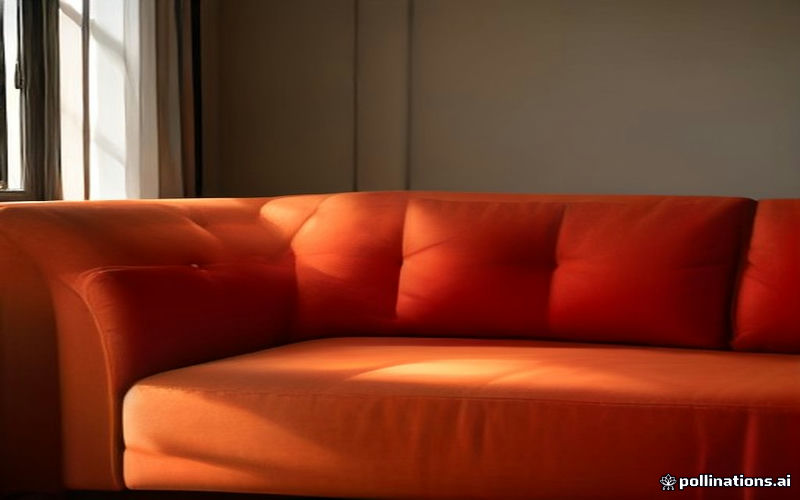

A brown sofa is one of the most practical pieces of furniture you can own. It hides dirt, handles daily wear from pets, and lasts for years. Yet, a heavy brown couch can also drag down the energy of an entire living room. It can feel dark, bulky, and stuck in the past.
I faced this exact problem in my own living room a few years ago. My dark chocolate sofa dominated the space and absorbed all the natural light. I did not want to spend thousands of dollars on a new couch just to change the mood of the room. Through simple adjustments, I found that you can lift the room without replacing the furniture. Here is how you can brighten up a brown sofa using color, texture, and light.
Understand the Undertones of Your Brown Sofa
Before you buy any new decor, look closely at your sofa in natural daylight. Brown is rarely just plain brown. It carries distinct undertones that determine which accent colors will look fresh and which will look muddy.
Some brown sofas lean warm with red, orange, or gold undertones. Common examples include cognac leather, camel microfiber, and rust-tinted weaves. Warm browns pair best with creamy whites, soft terracotta, sage green, and warm beige.
Other brown sofas lean cool with gray, charcoal, or deep espresso undertones. These cooler couches look best when paired with crisp linen, sky blue, soft gray, or pale lavender. When I first tried to style my couch, I picked bright stark white accents that clashed with its warm base. Once I switched to warm oatmeal tones, the whole piece felt softer and more intentional.

Use Light and Textured Throw Pillows
Pillows are the fastest way to break up a large expanse of dark fabric. If you leave a brown couch bare, the dark surface commands all the attention. Adding pillows provides an immediate visual barrier that bounces light back into the room.
I recommend avoiding small matching pillow sets that come with the couch. Those matching pillows only add more brown to an already dark surface. Instead, choose pillows in sizes like twenty by twenty inches or twenty-two by twenty-two inches. Larger pillows cover more surface area and create better scale.
Mix different textures to keep the look lively. Combine smooth linen with a chunky knit or a boucle fabric. If your couch is slick leather, matte cotton pillows keep things from slipping around while adding soft warmth. Aim for a mix of off-white, light tan, and a subtle accent color like muted green or soft ochre.
Layer Throw Blankets for Soft Contrast
A throw blanket does two helpful things for a dark couch. First, it covers a large section of the dark backrest or seat cushions. Second, it adds tactile softness to a piece of furniture that might otherwise look rigid.
I like to use light blankets made from woven cotton, waffle knit, or breathable linen. Heavy, dark fleece blankets only make the sofa feel heavier. Light neutral blankets, such as cream or pale sand, create an inviting spot to sit while visually cutting the sofa in half.
How you place the blanket also matters. You can fold it lengthwise into a neat runner and drape it down the center cushion. You can also drape it casually over one arm and let it pool onto the seat. If your sofa has worn cushions, a wide throw blanket draped across the base will instantly refresh the look.

Place a Light Area Rug Under the Couch
A dark sofa sitting directly on a dark hardwood or laminate floor creates a heavy shadow. The sofa blends into the floor, making the entire seating zone feel cave-like.
A light-colored area rug acts as a physical boundary between the dark floor and the dark furniture. Rugs in cream, light gray, soft ivory, or light jute instantly reflect light upward. Make sure the rug is large enough for the space. In most living rooms, an eight by ten foot or nine by twelve foot rug works best.
At least the front legs of the sofa should sit on top of the rug. This placement anchors the room and ensures that a border of bright texture surrounds the dark base of the sofa.
Accent Colors and Materials for Brown Sofas
Choosing the right pairing depends on your sofa finish and the mood you want to create. The table below outlines combinations that help lift dark brown tones.
| Accent Shade | Sofa Finish | Fabric Type | Visual Effect |
|---|---|---|---|
| Cream and Ivory | Dark Espresso Fabric | Linen or Chunky Wool | Clean high contrast that softens dark tones |
| Sage Green | Saddle or Cognac Leather | Woven Cotton or Canvas | Earthy and calm with an organic feel |
| Soft Blush | Medium Brown Microfiber | Velvet or Brushed Twill | Gentle warmth that brightens without harshness |
| Warm Ochre | Dark Chocolate Leather | Waffle Knit or Boucle | Cheerful glow that complements warm bases |
| Pale Sky Blue | Cool Espresso Fabric | Slub Cotton or Chambray | Crisp and airy feel that cuts through heaviness |
Upgrade the Lighting Around the Sofa
Even the best pillows cannot fix a dark sofa if the corner of your room lacks proper lighting. Dark upholstery absorbs light rather than reflecting it, which means a brown couch needs extra illumination nearby.
Start by looking at your floor lamps. A tall arc lamp or a shaded floor lamp placed right next to the sofa directs light downward onto the cushions. This removes deep shadows from the corners of the couch.
Pay close attention to your light bulbs. Bulbs with a color temperature around twenty-seven hundred Kelvin provide a warm, inviting glow without looking yellow. Bulbs around three thousand Kelvin offer a crisp, clean light that works well for reading. Avoid harsh blue daylight bulbs, which can make brown upholstery look dull and dusty.
Rethink Your Coffee Table
If you have a dark brown sofa paired with a dark espresso wood coffee table, the entire center of your room will feel weighed down. Matching dark wood tables were popular years ago, but they trap light in the middle of the room.
Swap out the heavy dark table for something that allows light to pass through. A glass coffee table is an excellent choice because you can see right through it to a bright rug underneath. Round tables with thin metal legs in brass or black also keep sightlines open.
If you prefer wood, choose lighter wood species like white oak, ash, or natural birch. A light oak table creates a pleasing contrast against a dark couch while keeping the room relaxed. You can also use a light fabric ottoman topped with a pale wooden tray.
Hang Light Art and Add Houseplants
What sits behind your sofa influences how heavy the couch feels. A large, dark piece of art on the wall behind a brown sofa doubles down on the dark palette.
Hang art that features plenty of negative white space, soft landscapes, or light abstract prints. Light oak or thin metallic frames help lift the wall space. Hanging a large wall mirror behind or opposite the sofa is another great trick. Mirrors bounce daylight from nearby windows directly onto the dark cushions.
Do not overlook house plants. A potted plant like a fiddle leaf fig, monstera, or snake plant placed beside the couch introduces vibrant green tones. The organic shape of plant leaves breaks up the blocky, rectangular lines of a large sectional.
Common Mistakes When Brightening a Brown Sofa
One common error is using pure, cold paper-white decor. Pure stark white against deep brown can look jarring and cheap. Cream, ivory, and soft linen tones look far richer and blend much better with brown leather or fabric.
Another mistake is buying pillows that are too small. Tiny sixteen-inch pillows look lost on a deep couch and create visual clutter. Fewer large pillows always look cleaner than a pile of tiny cushions.
Lastly, do not forget the background walls. If your walls are painted a dark tan, muddy beige, or deep gray, your brown sofa will melt right into the wall. Painting the main wall in a soft, light greige or warm white gives the couch a clean backdrop that makes it stand out in a good way.
Practical Daily Maintenance
Keeping a brown sofa bright also comes down to daily upkeep. Over time, fabric couches collect dust and pet dander that make the fibers look gray and tired. Leather couches can dry out and lose their warm luster.
Vacuum your fabric sofa once a week using an upholstery attachment. Take off the cushions and clean out the crevices to keep the seating crisp. For leather sofas, apply a quality leather conditioner every six months. Conditioning restores the natural glow of the leather, allowing it to reflect ambient light rather than looking dry and flat.
Fluff your accent pillows every couple of days. Flat pillows look sloppy and draw negative attention to the center of the sofa. A quick fluff keeps the cushions full and maintains clean shapes across your seating area.
Frequently Asked Questions
What colors look best with a dark brown sofa?
Cream, soft ivory, sage green, and warm beige look best with dark brown. These shades create gentle contrast that brightens the room without feeling harsh.
How can I make my brown leather couch look modern?
Pair the leather couch with light linen pillows, a cream wool rug, and a light oak coffee table. Adding indoor plants also softens the heavy look of leather.
Should I use white or cream accents on a brown couch?
Cream and warm ivory work much better than stark white. Pure white creates too sharp of a contrast, while cream produces a balanced, inviting look.
How do I brighten a brown sofa on a dark wood floor?
Slide a large cream or light jute area rug under the couch. The rug separates the dark furniture from the dark floor and reflects room light upward.
Can wall mirrors help brighten a brown sofa?
Yes, a mirror placed across from or behind the sofa bounces sunlight onto the dark fabric. This simple addition makes the entire seating area feel larger and lighter.
Conclusion
A brown sofa does not have to make your living room feel dark or dated. By introducing light rugs, textured pillows, soft throw blankets, and warm lighting, you can balance the visual weight of the couch.
Start with one simple change, like swapping out your throw pillows or adding a light rug. You will quickly see how easy it is to create a bright, fresh, and welcoming room around the furniture you already own.