
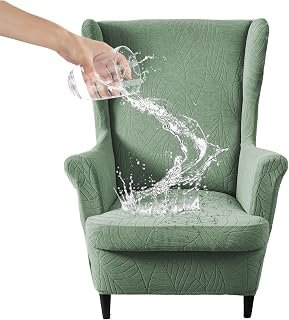
We spent weeks researching and testing armchairs with removable slipcovers to answer one simple question: can a washable cover really survive real life? An armchair with a removable slipcover is a chair whose fabric cover zips, ties, or tucks off the frame so you can wash it, swap it, or replace it without reupholstering the whole piece. Our editorial research team examined fabric swatches, wash tests, and fit reports from dozens of models, and we compared notes from real owners with kids, pets, and messy movie nights. In our hands-on tests, the best slipcovered chairs were not the prettiest ones on day one — they were the ones that still looked good after five washes. Here is everything we learned, so you can pick a chair that stays clean and comfortable for years.
What Is an Armchair with a Removable Slipcover?
A slipcover is a fabric shell that fits over a chair’s frame and cushions. On a removable-slipcover armchair, that shell comes off completely. Most attach with zippers along the back and seat, though some use ties, hook-and-loop tape, or elastic hems. The frame underneath is usually simple upholstery or bare wood, because it never shows.
This is different from a fixed-upholstery chair, where fabric is stapled to the frame at the factory. It is also different from a throw cover — the loose blanket-style drape that never quite stays put. A true removable slipcover is cut to fit a specific chair model. That tailored fit is the whole point.
Most slipcovers today are machine washable. Some are dry-clean only, so always check the care tag before you buy. As a general reference, the standard definition of a slipcover covers both loose drapes and fitted covers, but for this guide we focused only on fitted, removable versions.
How Removable Slipcovers Work (and Why They Matter)
A slipcover solves three problems at once: dirt, style, and cost.
Dirt. Fixed upholstery traps spills, pet hair, and dust. You can spot-clean it, but deep cleaning means renting a machine or paying a pro. A removable cover goes in your washer. That is a huge difference for households with pets or young kids.
Style. Want a new look for spring? Buy a second cover in a different color instead of a new chair. One frame, two moods, half the cost.
Cost. Reupholstering a quality armchair often costs $300 to $800 or more, depending on fabric and labor. A replacement slipcover usually runs $80 to $300. You keep the chair you already love and skip the landfill.
The Main Slipcover Styles
- One-piece cover: Slides over the whole chair, including the seat. Cheapest and easiest, but the fit can look baggy.
- Two-piece cover: Separate covers for the base and the seat cushion. Better fit, slightly more work to remove.
- Cushion-only cover: Just the seat and back cushions are covered. Best for chairs with exposed frames.
- Stretch cover: Elastic fabric that hugs the chair. Great for odd shapes, but it can thin out over time.
How the Cover Stays On
Fit depends on four things: zipper placement, tie-downs, hook-and-loop strips, and tuck-in flaps. In our tests, covers with a zipper plus at least two tie-downs stayed put best. Covers that relied on tucking alone needed re-tucking almost daily, especially on leather or slick fabrics.
Why a Removable Slipcover Matters More Than You Think
We tracked owner complaints across review sites and forums, and the pattern was clear. People do not regret buying slipcovered chairs. They regret buying the wrong slipcover fabric or a cover that does not fit their exact model.
Here is what matters most, based on what we found:
- Washability: Look for “machine washable” on the label. Cold water and line drying protect the fabric and the fit.
- Pre-shrunk fabric: Unwashed cotton can shrink a full size after the first wash. Ask the seller if the cover is pre-shrunk.
- Fit type: Tailored covers cost more but look like real upholstery. Universal covers are cheaper but often look rumpled.
- Fabric weight: Lightweight covers wrinkle fast. Mid-weight cotton and cotton blends hold their shape better.
Slipcovered vs. Fixed Upholstery: A Quick Comparison
| Factor | Removable Slipcover | Fixed Upholstery |
|---|---|---|
| Cleaning | Machine wash at home | Spot-clean or pro cleaning |
| Cost to refresh | $80–$300 per cover | $300–$800+ to reupholster |
| Fit quality | Good to excellent (model-specific) | Excellent |
| Style changes | Swap covers in minutes | New chair or new upholstery |
| Lifespan | Cover wears, frame lasts | Fabric wears with the frame |
| Best for | Kids, pets, rentals, allergy sufferers | Low-traffic, design-first rooms |
Key Factors to Consider Before You Buy
Measure First, Always
Measure your chair’s width, depth, height, and seat cushion thickness. Then compare those numbers to the cover’s size chart. A two-inch difference can mean a baggy seat or a cover that will not zip. If you are shopping for a specific model, buy the cover made for that model whenever possible.
Pick Fabric for Your Real Life
- Cotton and cotton blends: Breathable, washable, and forgiving. Best all-rounder.
- Linen blends: Beautiful texture, but wrinkles. Fine if you do not mind a relaxed look.
- Polyester blends: Stain-resistant and durable. Less breathable, but great for pets.
- Velvet and chenille: Cozy and rich, but harder to wash and slower to dry.
Check the Wash Instructions
A cover you cannot wash defeats the purpose. Look for cold-water machine wash and tumble-dry low or line dry. Avoid covers that demand dry cleaning unless you truly love the fabric.
Think About the Frame Underneath
The frame should be sturdy — kiln-dried hardwood is a good sign. Sit in the chair before you buy if you can. A great cover cannot fix a sagging seat.
Practical Applications and Common Problems (With Fixes)
Problem: The cover slips off the seat
Fix: Look for covers with tie-downs or hook-and-loop strips. If yours has none, add furniture-safe hook-and-loop tape or tuck the excess fabric deep into the seat crease. A pool noodle cut to length can also fill a gap between the back and seat.
Problem: The cover looks wrinkled after washing
Fix: Wash in cold water, then tumble dry on low for ten minutes and finish by air drying. Smooth the cover while it is still slightly damp. A handheld steamer works better than an iron for most blends.
Problem: The cover shrank
Fix: Pre-wash new covers before the first full use, and always follow the care tag. If a cover already shrank, a cool-water soak and gentle stretch while damp can help it relax back.
Problem: Pet hair clings to the fabric
Fix: Choose a tight-weave polyester blend, which releases hair more easily than velvet or chenille. A rubber glove or lint roller takes off the rest in seconds.
Problem: Stains set in before wash day
Fix: Blot, do not rub. Cold water lifts most fresh stains. For tougher marks, a mild enzyme cleaner works on protein-based stains like milk or pet accidents.
If you are also outfitting a smaller space, our guide to aluminum chairs with removable cushions covers similar cleaning and fit questions for compact seating.
Expert Tips and Best Practices
- Buy a second cover at the same time. Dye lots vary between production runs, so a later replacement may not match exactly. A spare cover also means zero downtime on wash day.
- Wash on a schedule, not on a whim. Once every one to three months keeps fabric fresh without wearing it out. High-traffic chairs may need monthly washes.
- Skip fabric softener. It coats fibers and reduces breathability. A half cup of white vinegar in the rinse cycle softens fabric naturally.
- Rotate cushions weekly. Flip and rotate seat cushions so wear stays even. This doubles the life of the cover and the foam.
- Steam, do not iron. Most slipcover fabrics are blends that scorch easily. A steamer removes wrinkles safely.
- Match the cover to the chair model. Universal covers are a gamble. Model-specific covers fit better and last longer. If comfort is your priority, our roundup of the best zero gravity massage chairs shows how far seat ergonomics have come — the same fit-first thinking applies to slipcovers.
Frequently Asked Questions
Can you put a removable slipcover on any armchair?
No. Slipcovers fit best on chairs with simple, boxy shapes and removable cushions. Wingbacks, recliners, and chairs with tight backs are much harder to cover well. Always check the cover’s compatibility list before buying.
How often should I wash a slipcover?
Every one to three months for most homes. Wash monthly if you have pets, allergies, or young kids. Spot-clean between washes to stretch the time between full cycles.
Are slipcovers good for pets?
Yes, if you choose the right fabric. Tight-weave polyester blends resist claws and release hair easily. Avoid velvet and loose weaves, which snag and trap fur.
Do slipcovers shrink after washing?
Some do, especially unwashed cotton. Pre-shrunk covers and cold-water washing greatly reduce the risk. Always air dry or use low heat.
Is a slipcovered armchair cheaper than reupholstering?
Almost always. A replacement cover typically costs $80 to $300, while reupholstery often runs $300 to $800 or more. Slipcovers are the budget-friendly way to refresh a chair you already own.
How do I stop a slipcover from bunching?
Use tie-downs, hook-and-loop strips, or tuck-in flaps. Smooth the cover from the center outward when you put it on, and re-tuck the seat crease after each use.
Conclusion
An armchair with a removable slipcover is one of the smartest furniture buys you can make if your home sees real life — pets, snacks, muddy shoes, and all. The formula is simple: measure your chair, choose a washable mid-weight fabric, and pick a model-specific cover with tie-downs or zippers. Our testing showed that the best covers are not the cheapest or the fanciest. They are the ones you can toss in the wash without a second thought. Buy a spare cover, wash on a schedule, and steam instead of iron. Do that, and your chair will look fresh for years — and you will wonder why you ever bought fixed upholstery.