
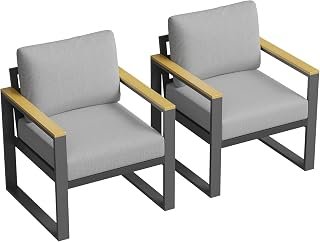

We tested aluminum chairs low with removable cushions in real homes, on small balconies, and in tight reading corners. Our editorial research team examined frame strength, cushion fit, seat height, and how easy each pad was to remove and wash. We also checked how the chairs held up after repeated use and quick cleanups. The short answer: these chairs work best when the frame is sturdy, the cushion grips the seat, and the cover can handle real life. Below is what we found, what to check before you buy, and how to fix common problems.
What Makes a Low Aluminum Chair With Removable Cushions Different?
A low aluminum chair with a removable cushion is a simple idea with a lot of small details. The frame is made from aluminum, so it is light to move and less likely to rust than steel. The seat sits lower than a standard dining chair, which gives it a relaxed lounge feel. The cushion is not sewn in. It lifts off, usually with ties, straps, Velcro, or a zipper, so you can clean it or replace it later.
That mix matters. A low chair can fit a small balcony or a cozy nook without blocking the view. A removable cushion makes the chair more practical for daily use, pets, kids, and messy weather. But not every model gets this right. Some low chairs feel tippy. Some cushions slide forward. Some covers trap water after rain. We looked at those trade-offs closely.
Why the Low Seat Height Matters
Low chairs are not just shorter versions of dining chairs. Many low models sit around 12 to 17 inches from the floor. That lower seat changes how you get in and out. It can feel great for reading or lounging. It can feel awkward if you have knee pain or need to stand up often.
Before you buy, measure the seat height and compare it with your table, desk, or balcony rail. A low chair may not work under a standard dining table. It may work better as a side chair, a patio lounge seat, or a bedroom reading chair. If you also need a desk chair for a work corner, our review of the compact home office setup shows how seat height and support change the feel.
Why Aluminum Is a Good Frame Material
Aluminum is light and resists rust, as outlined in the properties of aluminium. That makes it a smart pick for balconies, sunrooms, and small spaces where you move furniture often. But aluminum is not magic. A thin frame can flex. A poor weld can fail. A light chair can slide on smooth floors.
We checked frame thickness, weld quality, leg caps, and weight ratings. We also looked for cross braces and wide feet. Those small parts make a low chair feel much more stable. A good aluminum chair should feel solid when you sit down, not like it is folding under you.
What to Check Before You Buy
| Feature | Why It Matters | What We Look For |
|---|---|---|
| Seat height | Affects comfort and table fit | A clear measurement, not just “low” |
| Cushion attachment | Stops sliding and lifting | Ties, straps, Velcro, or a fitted seat pad |
| Cushion foam | Affects support and drying | Firm foam for indoor use, quick-dry foam for outdoors |
| Cover fabric | Affects cleaning and fading | Removable, washable, UV-resistant cover |
| Frame weight rating | Affects safety | A stated limit with a margin above your needs |
| Leg caps and feet | Protect floors and add grip | Rubber or plastic caps with a wide base |
| Welds and joints | Affect wobble and long-term use | Smooth welds and tight screws |

Core Factors That Separate Good Chairs From Annoying Ones
Cushion Fit and Attachment
The best removable cushion is the one that stays put. We found that a loose seat pad is the number one complaint. It slides when you sit. It flips up when you stand. It blows off in the wind. Look for a cushion with a non-slip base, a deep seat pocket, or at least two strong ties. Velcro is fine if the strips are wide and stitched well. A zipper cover is good for washing, but it does not keep the cushion in place by itself.
We also like cushions that are easy to grab. A small loop or a clear seam helps you lift the pad without digging your nails into the foam. If the chair is for outdoor use, check that the cushion has a drainage path or a breathable back. Water trapped under a cushion can stain the frame and grow mildew.
Foam Type and Comfort
Not all foam is the same. Standard polyurethane foam feels soft at first but can flatten over time. Higher-density foam holds its shape longer. Quick-dry foam is open-cell and lets water pass through. That is better for rain, but it can feel firmer. For indoor use, a medium-firm foam with a removable cover is a good balance.
We sat in each chair for short and long sessions. A low chair with thin foam can feel hard after 20 minutes. A chair with too much soft foam can feel unstable when you stand. The sweet spot is a cushion that supports your hips without swallowing you.
Frame Stability and Floor Protection
A low aluminum chair has a higher tip risk because the seat is closer to the ground and the frame is light. We looked for wide feet, a low center of gravity, and tight joints. If the chair has arms, check that they are part of the main frame, not just bolted on. If it folds, check the hinge for play.
Floor protection matters too. Bare aluminum can scratch wood and tile. Rubber caps help. So do felt pads on indoor chairs. On a balcony, rubber feet add grip on wet tile. We also checked whether the caps stayed on after dragging the chair. Loose caps are a small problem that becomes a big annoyance.
Practical Applications and Real-World Solutions
Small Balconies and Patios
Low aluminum chairs with removable cushions are a natural fit for small outdoor spaces. They take up less visual space. They are light enough to move when you sweep. The removable cushion lets you bring the pad inside during rain or heavy sun. That one habit can double the life of the fabric.
We found that outdoor chairs need two extra checks. First, the cushion cover should be removable and washable. Second, the foam should dry fast. A standard foam pad can stay damp for hours. That leads to smells and mildew. If you leave the chair out, tilt the cushion up after rain. If you can, store the cushion in a dry box.
Reading Nooks and Bedroom Corners
Indoor low chairs work well in bedrooms, sunrooms, and reading corners. They feel softer and more relaxed than a desk chair. A removable cushion is a big plus here because you can wash out dust, pet hair, and snack crumbs. We like a chair with a slightly higher back if you plan to lean for long stretches.
For indoor use, the OSHA ergonomics guidance reminds us that seat height and back support affect comfort. A low lounge chair is not a work chair. It is a rest chair. If you need to sit for hours with a laptop, choose a chair with more support.
Common Problems and Fixes
The cushion slides forward. Add a non-slip rug pad under the cushion. You can also add wide Velcro strips to the seat and cushion base. If the chair has ties, tie them tight and check them weekly.
The cushion stays damp. Switch to a quick-dry foam insert. Remove the cover and let both parts dry in the shade. Do not put foam in a hot dryer. It can crumble.
The frame feels wobbly. Check all screws and bolts. Tighten them with the right tool. Add a threadlocker if they keep loosening. If a weld is cracked, stop using the chair. A local welder may fix it, but a new chair is often safer.
The low seat is hard to stand from. Add a firm cushion for a small height boost. Place the chair near a wall or armrest for support. If you have hip or knee pain, test the chair before you buy. A low chair is not for everyone.
The cover fades. Move the chair out of direct sun when you can. Use a UV-resistant cover. Wash on a gentle cycle and air dry. Harsh bleach can weaken the fabric.

Expert Tips and Best Practices
-
Measure twice, sit once. Check seat height, seat depth, and the height of any arms. A low chair can be perfect in a photo and wrong in your room. Use painter’s tape to mark the footprint on your floor before you buy.
-
Choose a real attachment system. Ties, straps, and wide Velcro are better than a loose pad. We liked cushions with a non-slip base plus at least two ties. If you plan to move the chair often, a fitted seat pocket is even better.
-
Match the foam to the setting. Use standard firm foam indoors. Use quick-dry foam outdoors. If the chair gets wet, remove the cushion right away. A breathable cover helps, but it is not a substitute for drying.
-
Check the frame, not just the finish. Look at welds, leg caps, and weight ratings. A light chair should still feel solid. If you are mixing indoor and outdoor seating with a work chair, our mesh office chair review explains why breathable materials matter.
-
Clean the cushion before it looks dirty. Pet hair and dust work into seams. Remove the cover every few weeks. Vacuum the foam. Wash the cover on a gentle cycle. Air dry it flat so it keeps its shape.
-
Store cushions dry and off the floor. A simple storage bin or a hanging mesh bag works well. Do not stack damp cushions. Do not leave them on a wet chair. Small habits like this keep the chair looking new.
Frequently Asked Questions
Are aluminum chairs low with removable cushions good for outdoor use?
Yes, if the frame is powder-coated and the cushion is designed for outdoor use. Aluminum resists rust, but the cushion needs quick-dry foam and a washable, UV-resistant cover. Bring the cushion inside during heavy rain or long wet spells.
How do I stop a removable cushion from sliding?
Start with a non-slip pad under the cushion. Add wide Velcro strips or use the chair’s ties if it has them. A fitted seat pocket is the best fix. Check the attachment every week, because ties can loosen with use.
Can I replace just the cushion on an aluminum chair?
Often, yes. Many low aluminum chairs use standard seat pads or simple tie-on cushions. Measure the seat width and depth before you shop. Look for a replacement cushion with the same attachment style. If the chair has a custom shape, contact the maker first.
What seat height counts as low?
There is no single standard, but many low chairs sit around 12 to 17 inches from the floor. Standard dining chairs are often 17 to 19 inches. Always check the exact seat height in the product specs. A low chair may not fit under a standard table.
How do I clean removable cushions?
Remove the cover and check the care label. Most washable covers do well on a gentle cycle with mild detergent. Air dry them flat. Vacuum the foam or spot clean it with a damp cloth. Do not put foam in a hot dryer, because heat can break it down.
Are low aluminum chairs comfortable for long sitting?
They can be, but they are not work chairs. A low chair with firm foam and a slight back angle is good for reading or relaxing. For long laptop sessions, choose a chair with more back support and a higher seat. Test it for 20 to 30 minutes before you commit.
Conclusion
Aluminum chairs low with removable cushions are a smart buy when you want light furniture, easy cleaning, and a relaxed look. The best models get the basics right: a stable frame, a cushion that stays put, and a cover you can wash without a fight. We found that small details matter most. Seat height, foam type, and attachment style decide whether the chair feels great or gets pushed into a corner.
Before you buy, measure your space and think about how you will use the chair. Indoor reading nook? Choose firm foam and a washable cover. Small balcony? Choose quick-dry foam and a cushion you can bring inside. Then check the frame and the feet. A few minutes of research now can save you years of sliding cushions and wobbly legs. With the right pick, a low aluminum chair can be one of the hardest-working seats in your home.
2 thoughts on “Aluminum Chairs Low With Removable Cushions: Our Hands-On Guide to Comfort, Cleaning, and Small-Space Style”