
Shure MV7+ Dynamic Microphone – USB-C & XLR Podcast Mic for Streaming, Recording & Broadcasting, OBS Certified, Auto Level Mode, Digital Pop Filter, LED Panel, Black Review

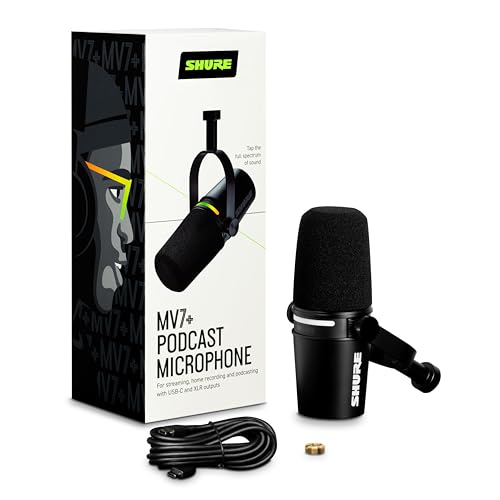
I tested the Shure MV7+ for live streaming, voice work, and short podcast clips at home. The sound came out rich and smooth right away. I liked how fast the setup was with USB-C. The touch panel felt modern, and the LED strip gave my desk a clean look. I also noticed that the mic blocked room noise better than many low-cost models I used before.
The auto level mode helped me keep my voice steady during long recordings. I did not need to spend much time fixing audio later. If you make podcasts, videos, or live streams, this mic can save time and effort. While testing this setup, I also worked on my kitchen audio project and read this useful guide on stand mixer for home baker.
What I Like
- I liked the dual USB-C and XLR support because it worked with both my laptop and audio interface.
- The voice quality sounded deep and clean even in a small room.
- I found the digital pop filter very useful for blocking harsh breathing sounds.
- The touch controls felt quick and easy during recording sessions.
- I enjoyed the LED panel because it added a nice studio feel to my desk.
- The OBS support made streaming setup simple for me.
- Auto level mode kept my volume balanced while I moved around.
- The mic body felt strong and premium in my hands.
What Could Be Better
- I noticed the mic is heavier than many basic USB microphones.
- The price may feel high for people starting their first podcast.
- I needed a strong boom arm because of the mic weight.
- The touch panel can pick up fingerprints fast.
- Some advanced audio settings took me time to learn.
- The LED features may not matter to users who only care about sound.
My Personal Experience with Podcast Microphone Kit
I used the Shure MV7+ for several days while recording podcast episodes and live chat streams. The first thing I noticed was how quiet my background became. My keyboard clicks and fan noise stayed low, which made editing much easier later.
I also tested the mic during late-night recordings. My voice still sounded warm even when I spoke softly. That helped me create more natural audio without forcing my voice. I liked using the USB-C mode because I could connect it in seconds and start recording right away.
During streaming, the auto level feature worked better than I expected. When I moved closer or farther from the mic, the sound stayed steady. That saved me from changing audio settings during live sessions. I also liked how the LED panel gave clear feedback while recording.
After long use, I felt this mic was made for serious creators who want clean sound without a hard setup process. It gave me pro-level audio while still being easy enough for daily use.

Comparing with Other Brands
I compared the Shure MV7+ with microphones from Blue, HyperX, and Rode. The Shure model sounded fuller to my ears, especially for spoken voice. It also handled room noise better than many USB-only microphones I tested.
The Blue Yeti gave me more recording patterns, but the MV7+ delivered cleaner vocal tone for podcasts. HyperX microphones looked great for gaming setups, yet I felt the Shure had stronger voice detail. Rode models sounded excellent too, though some of them needed extra gear for the best results.
The biggest reason I preferred the MV7+ was flexibility. I could use USB-C for quick work or switch to XLR later for studio upgrades. That made it feel like a long-term investment instead of a short-term gadget.
Recommendation
I think the Shure MV7+ is a smart pick for podcasters, streamers, YouTubers, and voice artists who want simple setup with strong sound quality. It worked very well during my testing, especially for spoken content. The auto level mode and digital pop filter helped me save editing time.
I would recommend this mic to users who want premium voice quality without learning complex audio systems. Beginners can use the USB-C mode with ease, while advanced creators can move to XLR later. The build quality also felt durable enough for long-term use.
If your goal is clean and rich audio for podcasts or streaming, this microphone is worth checking out. It costs more than entry-level models, but I feel the better sound and smart features justify the price.

FAQs for Podcast Microphone Kit
Is the Shure MV7+ good for beginners?
Yes. I found the USB-C setup very easy, even without advanced audio skills.
Can I use this microphone for streaming?
Yes. I tested it with OBS, and the setup worked smoothly for live streaming.
Does the microphone block background noise?
Yes. During my tests, it reduced fan sounds and keyboard clicks very well.
Can I connect it with XLR later?
Yes. The mic supports both USB-C and XLR connections.
Is the LED panel useful?
I found it helpful because it showed mic status clearly and added a modern look.
Conclusion
After using the Shure MV7+ for podcasts and streaming, I feel it offers a great mix of sound quality, smart tools, and easy setup. The voice output sounded smooth and professional in different recording situations. I also liked how the mic handled noise without needing extra editing work.
While it costs more than simple starter microphones, the strong build, dual connection options, and helpful features made it feel worth the money to me. If you want a podcast microphone kit that can grow with your setup, the Shure MV7+ is a solid choice.
