
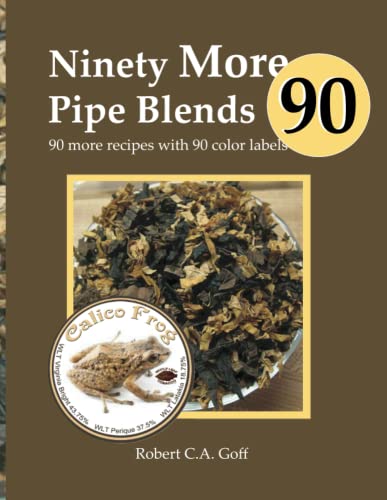
Ninety More Pipe Blends: 90 more recipes with 90 color labels Review
I spent time reading Ninety More Pipe Blends: 90 more recipes with 90 color labels while looking for new ideas related to Pipe For English Blends. This book is made for pipe smokers who enjoy trying different mixtures and learning how various leaf types work together. I found it easy to browse because every blend comes with its own color label. The layout feels organized, and the recipes give plenty of options for anyone who enjoys experimenting with tobacco combinations.
What I Like
- I liked the large number of blend recipes included in one book.
- The color labels helped me find recipes much faster.
- I found the instructions clear and easy to follow.
- The book gave me fresh ideas for creating unique mixtures.
- Each section felt neat and well arranged.
- I enjoyed exploring recipes inspired by different blending styles.
- The format worked well for both new and experienced hobbyists.
What Could Be Better
- I would have liked more photos showing the finished blends.
- Some readers may want deeper background details on certain ingredients.
- The book focuses heavily on recipes, so it may not suit people seeking pipe history.
- Beginners may need extra research to understand all tobacco terms.
- A quick-reference index could make searching even easier.
My Personal Experience with Pipe For English Blends
When I explored this book, I was mainly interested in finding inspiration for English-style mixtures. I enjoyed moving from one recipe to the next and seeing how different leaves could change flavor, aroma, and balance. The book kept me engaged because every page offered something new to study.
I also liked that the recipes did not feel repetitive. As I read, I found many ideas that encouraged me to think about blending in a different way. For people interested in Pipe For English Blends, the variety can be very useful because it opens the door to many possible combinations.
During my reading sessions, I often bookmarked pages that caught my attention. The color-label system made it easy to return to those sections later. That simple feature saved time and improved my overall experience with the book.
Comparing with Other Brands
Many pipe-blending books focus on basic information or a limited number of recipes. In my experience, Ninety More Pipe Blends stands out because of the sheer amount of content included. The collection feels broader than many similar guides I have reviewed.
Some competing books spend more space on theory and less on practical examples. This title takes a different approach by offering a large recipe library that readers can explore at their own pace. That makes it especially appealing for hobbyists who enjoy testing new ideas.
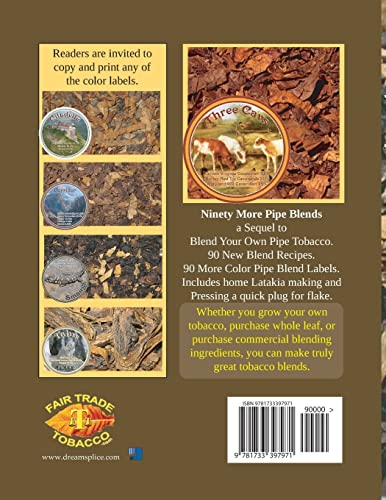
Another difference is the use of color labels. Many books rely only on text, while this system helps organize information in a more visual way. I found that feature helpful when comparing multiple recipes.
Recommendation
I recommend this book to pipe enthusiasts who enjoy learning through examples. It works well for readers who want a large collection of blend ideas instead of a purely educational textbook. If your interest centers on Pipe For English Blends, this guide provides plenty of material to explore. I think experienced hobbyists will gain the most value, but curious newcomers can also benefit from the organized format.
If you enjoy researching specialized products and guides, you may also like reading reviews in other niches. For example, I recently came across this helpful article about a stand mixer for price, which follows a similar review style and buying approach.
FAQs for Pipe For English Blends
Is this book suitable for beginners?
Yes. I found the layout simple enough for newcomers, though some tobacco terms may require extra learning.
How many recipes are included?
The book contains 90 additional pipe blend recipes, each paired with a color label.
Does it focus only on English blends?
No. While it is useful for people interested in English-style mixtures, it covers a wider range of blending ideas.
Are the recipes easy to browse?
Yes. The color-coding system helped me locate sections quickly.
Would experienced pipe smokers enjoy it?
I believe so. The large recipe collection offers many opportunities for exploration and experimentation.
Conclusion
After spending time with Ninety More Pipe Blends: 90 more recipes with 90 color labels, I came away impressed by the variety and organization. The book delivers a large selection of blending concepts without feeling confusing or cluttered. I especially appreciated the color-label system and the steady flow of fresh ideas. For anyone researching Pipe For English Blends and looking for a recipe-focused guide, this book is a worthwhile addition to a personal library.