
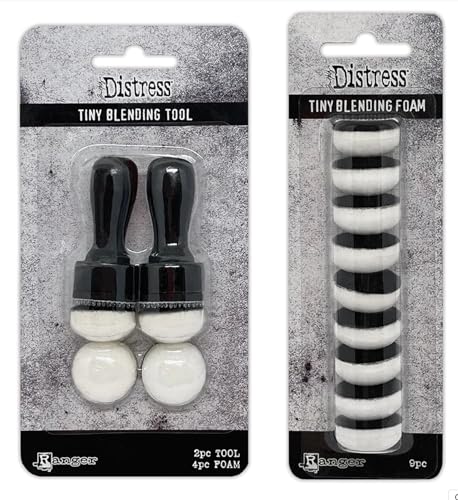
Tim Holtz Distress Tiny Blending Tool and Additional Foams Bundle Ranger Ink January 2024 Release Review
I tested the Tim Holtz Distress Tiny Blending Tool and Additional Foams Bundle while making small paper craft projects at home. I wanted a smooth way to add Distress Oxide ink on tight spots without making harsh lines. This set felt light in my hand and gave me much more control than large blending tools. I also liked how fast I could swap the foam pads during my work.
When I used different types of paper for Distress Oxide ink blending, the tool stayed soft and even. The foam did not drag across the page, and the ink spread in a clean way. I tried it on cardstock, mixed media paper, and smooth craft paper. Each test gave me soft color layers with less mess on my desk.
I also spent time reading craft tips online while working on my projects. One helpful guide I found was this article about kitchen tools and mixing gear: stand mixer for pizza dough. Even though it is about baking tools, I liked how it explained product quality and real testing.
What I Like
- I found the tiny size perfect for corners and small shapes.
- The foam pads felt soft and smooth during ink blending.
- I changed colors fast because the extra foams saved time.
- The handle stayed easy to hold during long craft sessions.
- I saw fewer streaks when using light pressure on paper.
- The tool worked well on many paper types and textures.
- I liked that the bundle came ready to use right away.
What Could Be Better
- I noticed the foam can stain after dark ink colors.
- The tiny size may feel too small for large backgrounds.
- I had to clean the pads often during heavy use.
- The bundle price may feel high for casual crafters.
- I wished the package included a small storage case.
My Personal Experience with Paper For Distress Oxide Ink Blending
I tested many paper surfaces with Distress Oxide ink and this tiny blending tool. Smooth cardstock gave me the cleanest fade effect. The color moved across the page in a soft cloud without sharp marks. When I used textured paper, the tool still reached the raised spots better than larger tools I own.
Mixed media paper also worked very well in my tests. The paper held moisture nicely, so the oxide ink stayed bright after drying. I blended light blue and gray shades together, and the colors looked soft instead of muddy. That made my small tags and journal pages look much cleaner.
One thing I learned is that thin paper can wrinkle if too much ink is added at once. I got the best results by building color slowly in small circles. The tiny foam helped me stay in control, especially around stamped designs and edges.
Comparing with Other Brands
I have used a few low-cost blending tools from other craft brands before trying this Tim Holtz set. Most larger tools covered more space, but they struggled near detailed areas. This tiny version felt much more accurate during small ink work.
Some cheaper foam pads became rough after several uses. The Ranger foam stayed soft longer in my testing. I also saw better color blending with fewer hard spots on the page. The grip felt stronger too, which helped during longer projects.
Another thing I liked was the extra foam bundle included in the package. Other brands often sell replacement pads separately. Having extra pads in one set made my crafting process much faster and cleaner.
Recommendation
I think this bundle is a smart choice for people who enjoy card making, scrapbooking, or journal art. I had the best results when working on small details and layered oxide effects. The compact shape helped me avoid messy ink marks around edges.
If you use paper for Distress Oxide ink blending often, this tool can save time and improve color control. Beginners may also enjoy how simple the tool feels in hand. I would recommend it most for crafters who like smooth blending and detailed work instead of large background coverage.
FAQs for Paper For Distress Oxide Ink Blending
What paper works best for Distress Oxide ink blending?
I got the best results with smooth cardstock and mixed media paper because they handled moisture well.
Can I wash the foam pads after use?
Yes, I cleaned mine with mild soap and warm water. They stayed soft after drying.
Is this blending tool good for beginners?
Yes, I found it very easy to control, even during my first few projects.
Does the tiny size slow down large projects?
For full backgrounds, it can take longer than large blending brushes or pads.
Can I use this tool with regular Distress Ink?
Yes, I tested both Distress Ink and Distress Oxide ink with good results.
Conclusion
After testing this Tim Holtz Distress Tiny Blending Tool and Additional Foams Bundle, I feel it is one of the better choices for detail ink work. The small shape gave me clean control, and the foam pads blended color in a soft and even way. I enjoyed using it on many paper types during my craft sessions.
While it may not replace large blending tools for big projects, it shines during fine detail work and layered designs. For anyone searching for a reliable tool for paper for Distress Oxide ink blending, I think this bundle is worth trying.