
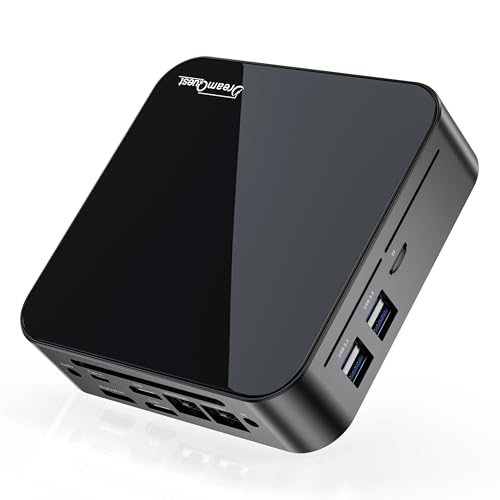
DreamQuest Mini PC Linux Preinstalled,16GB DDR4 512GB SSD Intel N95 (Up to 3.4GHz) Mini Desktop Computers with Type-C (10GB/s) x 2,USB 3.2×4, Triple HDMI 4K@60Hz, Dual LAN, WiFi 6,BT5.3,Smart Fan Review
I tested the DreamQuest Mini PC while trying several Linux Distro For Blender setups. I wanted a small machine that could run Blender, handle basic 3D work, and stay fast during daily tasks. The preinstalled Linux system saved me time, and the compact size fit neatly on my desk. During my use, the Intel N95 processor, 16GB RAM, and 512GB SSD gave a smooth experience for modeling, learning, and light rendering work.
What I Like
- I liked that Linux came preinstalled, so I could start working right away.
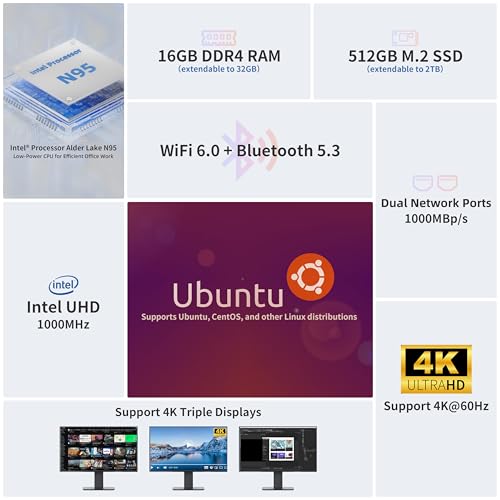
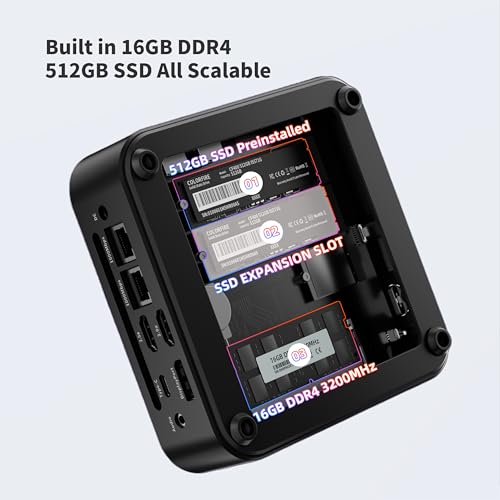
- The 16GB DDR4 memory helped Blender stay responsive when I opened larger projects.
- I found the 512GB SSD quick when loading files, apps, and system updates.
- The small body used very little desk space in my work area.
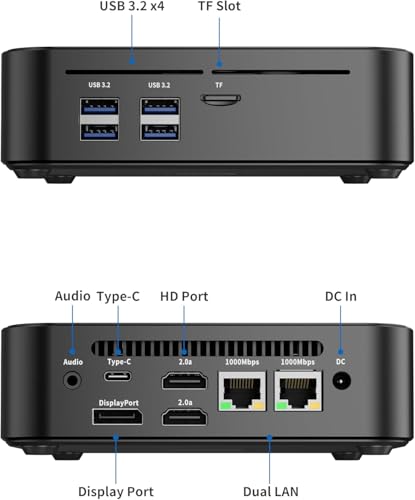
- I enjoyed having two Type-C ports with fast transfer speeds.
- Triple HDMI support made it easy for me to connect several displays.
- WiFi 6 provided stable wireless performance during downloads and updates.
- Dual LAN ports gave me extra flexibility for network-related tasks.
- The smart fan kept temperatures under control during long sessions.
- Bluetooth 5.3 connected smoothly with my wireless accessories.
What Could Be Better
- I would not use this system for very heavy Blender rendering jobs.
- The Intel N95 chip is great for everyday work but not built for advanced professional 3D production.
- Users working with huge scenes may want a more powerful graphics solution.
- The compact design limits upgrade options compared to a full desktop tower.
- Large animation projects can take longer to process than on higher-end systems.
My Personal Experience with Linux Distro For Blender
My goal was to find a simple Linux Distro For Blender environment that worked without headaches. I tested Blender for modeling, viewport navigation, and small render tasks. The DreamQuest Mini PC handled these jobs better than I expected for a budget-friendly mini computer.
I tried learning new Blender tools, creating basic objects, and working with textures. The system stayed stable during long practice sessions. App launches felt quick, and file transfers were fast thanks to the SSD storage.
I also connected multiple screens to improve my workflow. Having extra display space helped me keep Blender open on one screen while viewing tutorials and reference material on another. If you are new to Blender and want a Linux-based setup, this machine offers a comfortable starting point.
While exploring hardware and productivity tools, I also spent time reading useful guides online. One article I found interesting was this guide about KitchenAid stand mixer accessories, which shows the same practical style of product-focused advice many shoppers enjoy.
Comparing with Other Brands
I have used several mini PCs from different brands, and many require extra setup before they are ready for Linux users. The DreamQuest unit arrived with Linux already installed, which reduced setup time.
Some competing systems offer stronger processors, but they often cost much more. In my experience, this model strikes a good balance between price, storage, memory, and connectivity.
Compared with entry-level mini computers that only support one or two displays, the triple HDMI capability gave me more flexibility. The combination of WiFi 6, dual LAN, and modern ports also helped this machine stand out in daily use.
Recommendation
I recommend the DreamQuest Mini PC for students, hobbyists, Linux fans, and anyone learning Blender. I found it well-suited for modeling, practice projects, media tasks, office work, and multitasking.
If your focus is learning Blender, testing different Linux distributions, and creating small to medium projects, this system delivers solid value. Users who need advanced rendering power for professional production may want a higher-end workstation, but for everyday Blender work, I think this mini PC performs very well for its size and cost.
FAQs for Linux Distro For Blender
Can this mini PC run Blender on Linux?
Yes. I used Blender on Linux without major issues, especially for learning, modeling, and light creative work.
Is 16GB RAM enough for Blender?
For many beginner and intermediate projects, I found 16GB RAM sufficient. Very large scenes may benefit from more memory.
Which Linux distro works well with Blender?
I have had good results with Ubuntu-based distributions because they are easy to use and widely supported.
Can I connect multiple monitors?
Yes. The system supports triple HDMI output, which helped me create a more productive workspace.
Is the DreamQuest Mini PC good for daily use?
In my testing, it handled web browsing, media playback, office work, Linux tasks, and Blender practice sessions smoothly.
Conclusion
After spending time with the DreamQuest Mini PC, I came away impressed by how much it offers in such a small package. The Linux-ready setup, fast SSD, generous memory, and wide range of ports made my experience simple and enjoyable.
For users searching for a Linux Distro For Blender solution that is affordable, compact, and easy to use, I believe this mini PC is a strong option. It is not designed for extreme rendering workloads, but it provides dependable performance for learning, creating, and everyday computing.