
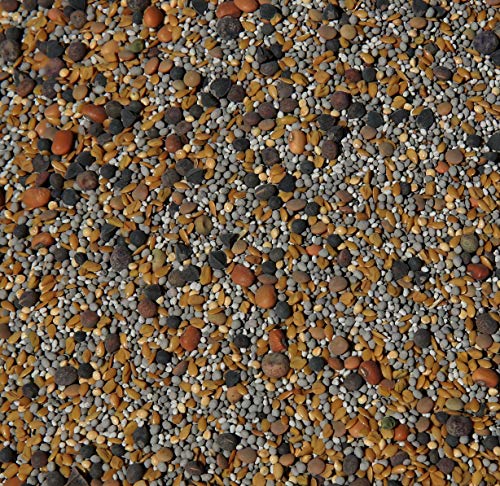
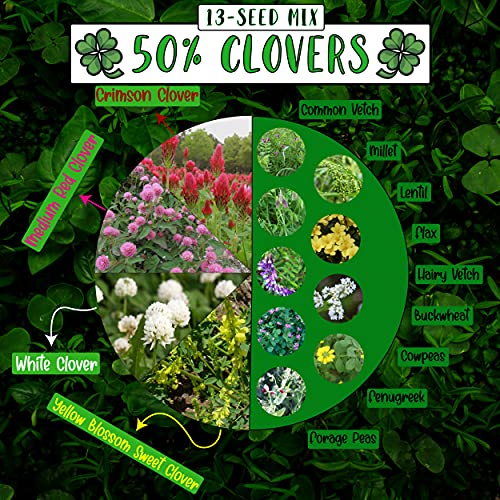
No-Till Cover Crop 13-Seed Mix (1 lb. Bag): [50% Clovers Plus Fenugreek, Vetch, Flax, Cowpeas, Buckwheat, Forage Peas, Millet, Lentils, Crimson Clover, Sweet Yellow, White Clover, Medium Red Clover] Review
I tested this No-Till Cover Crop 13-Seed Mix on a small grazing area behind my barn. I wanted a simple way to improve soil while giving my cattle fresh forage in cool and mild weather. The mix came with many seed types, so the field looked full and healthy after early growth. I also liked that I did not need heavy tilling before planting. That saved me time and hard work.
The blend worked well in my temperate climate. I saw clovers grow fast, while buckwheat and peas filled empty spots in the field. My cattle spent more time grazing in that section because the plants stayed soft and green. I also noticed better ground cover after rain. For people searching for forage crop seed blends for cattle feed temperate climates, this mix gave me solid results without much trouble.
While working on my farm setup, I also spent time improving my kitchen tools at home. I recently read this helpful guide about stand mixers for baking lovers: stand mixer for bakers. It was a fun read after long days outside in the field.
What I Like
- I liked the wide mix of seeds because the field looked rich and balanced.
- I saw fast sprouting in cool spring weather.
- The clover content helped keep the soil moist for longer periods.
- I did not need deep tilling before spreading the seeds.
- The blend gave my cattle fresh grazing material within a short time.
- I noticed fewer bare spots compared to single-seed cover crops.
- The plants stayed green even after light dry days.
- I found the bag easy to store and simple to spread by hand.
What Could Be Better
- I needed extra watering during very dry days to keep growth steady.
- Some seed types grew faster than others, so the field looked uneven at first.
- The 1 lb. bag covered less space than I expected.
- I had to protect the area from birds after planting.
- Heavy foot traffic slowed early growth in one corner of my pasture.
- The mix may not perform the same in very hot southern climates.
My Personal Experience with Forage Crop Seed Blends For Cattle Feed Temperate Climates
I have tested several forage mixes over the years, but this one felt more complete. I spread the seeds before a week of light rain, and that helped the field wake up quickly. The peas and vetch gave thick coverage early, while the clovers slowly filled the lower ground. My cattle started grazing the area after healthy growth appeared, and they returned there often.
One thing I really enjoyed was the soil improvement. The ground felt softer after a few weeks, and I saw fewer muddy patches after storms. I also noticed less weed pressure because the crop mix covered the soil well. That made the pasture easier to manage without constant work.
I liked the variety because it gave my field different plant heights and textures. Some plants added quick growth, while others stayed longer into the season. The mix helped me keep a greener pasture during mild weather. For my needs, it worked as both a cover crop and a cattle feed option.
Comparing with Other Brands
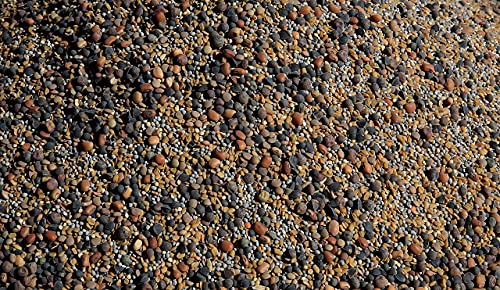
I have tried simple rye blends and basic clover-only bags before this mix. Those products worked fine, but they lacked diversity. This 13-seed blend gave my pasture a fuller look and more balanced growth. I also noticed better grazing activity because different plants matured at different speeds.
Many cheaper forage mixes contain fewer seed types. In my experience, that can leave empty spaces in the field after weather changes. This product reduced that problem because one plant usually filled gaps left by another. I also liked seeing legumes mixed with grains and flowering plants.
Some premium seed brands cost much more for similar coverage. This blend felt like a fair middle option between low-cost bags and expensive farm seed mixes. For small pasture areas and test plots, I found it practical and easy to use.
Recommendation
I recommend this product for small farms, backyard grazing spaces, and people testing new forage areas in temperate climates. It worked best for me in mild weather with regular rain. I think beginners will enjoy how simple it is to spread and grow.
If you want a mix that supports soil health while giving cattle fresh forage, this blend is worth trying. I liked seeing many plant types growing together because it made the pasture look healthier over time. It also helped reduce open soil spots in my field.
I would buy it again for seasonal pasture repair and cover cropping. The blend gave me healthy growth without needing advanced equipment. For forage crop seed blends for cattle feed temperate climates, this mix delivered steady performance in my experience.
FAQs for Forage Crop Seed Blends For Cattle Feed Temperate Climates
Can I use this mix without tilling the soil?
Yes. I spread it over prepared ground with very light soil disturbance, and many seeds still germinated well.
Is this blend safe for cattle grazing?
I used it in my pasture area after healthy growth appeared, and my cattle grazed it without issues.
Does it grow well in cool weather?
I had the best success during mild spring and fall temperatures.
How long did it take to sprout?
I started seeing growth within the first couple of weeks after rainfall.
Can beginners use this product?
Yes. I found it easy to spread, water, and maintain without special farming tools.
Conclusion
This No-Till Cover Crop 13-Seed Mix gave me a healthy pasture with less effort than many other blends I have tested. I liked the mix of clovers, peas, millet, and buckwheat because the field stayed active and green for a long time. The product also helped improve soil coverage while giving my cattle fresh forage in cooler weather.
Even though the bag size may feel small for large land areas, the growth quality impressed me. I saw balanced plant coverage, softer soil, and strong grazing activity in my pasture. For anyone searching for forage crop seed blends for cattle feed temperate climates, this mix is a dependable option that worked well in my own field.