
Using AI With Blender: Turbocharge Your 3D Modelling, Animation and Rendering Workflows with AI Tools, Shortcuts and Smart Techniques (The Using AI Series) Review
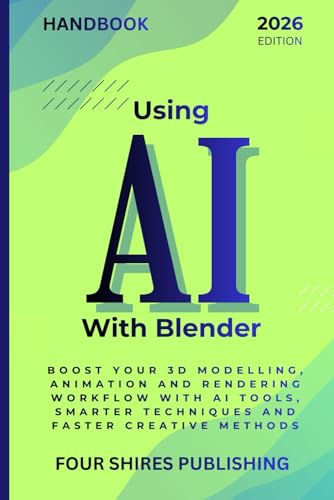
I spend a lot of time testing creative software tools, so I was curious to see if this book could really make Blender work faster and easier. After reading it, I found that it gives simple ways to mix AI tools with daily Blender tasks. The writing feels clear, and I never felt lost while moving from one topic to another. I also liked how the author focused on saving time instead of filling pages with hard theory.
The book covers modelling, rendering, animation, and workflow tricks in a very friendly way. I noticed that even small AI shortcuts helped me finish scenes much faster. Some parts reminded me of how useful smart tools can be in other creative setups, much like the workflow tips I shared in this article about kitchen tools and smart gear. The guide stays practical from start to finish, which made it enjoyable to read.
What I Like
- I liked how the book explained AI tools with very easy language.
- I found the Blender workflow tips quick to apply in real projects.
- The examples felt modern and useful for current AI software.
- I enjoyed the balance between beginner help and advanced tricks.
- The chapters moved in a smooth order, so I never felt confused.
- I saved editing time after trying some of the rendering methods.
- The book gave me ideas for faster texture and scene generation.
- I appreciated that the author focused on practical results.
What Could Be Better
- I wanted a few more deep examples for large animation projects.
- Some AI tools mentioned may change quickly as software updates arrive.
- A few sections moved fast for readers who are new to Blender.
- I think extra screenshots could help visual learners even more.
- The book focuses more on workflows than detailed Blender basics.
My Personal Experience with Ai For Blender
I tested several ideas from this book while working on a small 3D environment project. The AI workflow methods helped me speed up scene planning and texture work. I usually spend many hours fixing lighting and rendering settings, but some tips in this guide reduced that time. That made my workflow feel less stressful.
I also tried the AI prompt ideas for concept generation before opening Blender. That step gave me faster inspiration for shapes and colors. Instead of staring at a blank screen, I already had creative direction before modelling. I found this very helpful during busy workdays.
Another thing I enjoyed was the simple writing style. Many Blender books feel too technical, but this one stayed easy to follow. I could read a section, test the method, and quickly see results in my project. That hands-on feeling made the guide more valuable to me.
Comparing with Other Brands
I have read many Blender and AI workflow books over the years, and this one feels more practical than most. Some competing guides focus heavily on theory or coding details. This book spends more time showing ways to improve speed and creativity in real work sessions.
Compared to larger Blender training books, this guide feels lighter and faster to read. I think that makes it a better choice for busy creators who want direct help instead of long lessons. It also feels more current because it discusses modern AI tools that many artists now use every day.
Other AI creativity books sometimes talk about general design ideas without focusing on Blender itself. This book stays connected to 3D tasks, which helped me use the advice right away inside my projects.
Recommendation
I recommend this book to Blender users who want to save time and improve creative flow with AI tools. I think beginners will enjoy the simple explanations, while experienced users can still learn new workflow tricks. The guide works best for people who enjoy experimenting with modern creative software.
If you already use Blender for animation, modelling, or rendering, this book can help you work smarter. I liked that the advice felt realistic instead of overly complicated. For readers curious about combining AI with 3D art, this guide gives a strong starting point.
FAQs for Ai For Blender
Is this book good for Blender beginners?
Yes. I found the writing easy to understand, even for people with limited Blender experience.
Does the book teach real AI tools?
Yes. The guide talks about practical AI methods and shows ways to use them with Blender projects.
Can advanced users still learn something?
I believe so. I noticed workflow shortcuts and creative ideas that can help skilled users save time.
Is the book focused only on modelling?
No. It also covers rendering, animation, textures, and productivity improvements.
Does it include coding lessons?
Not heavily. I found the focus stayed mostly on creative workflows and tool usage.
Conclusion
After finishing this book, I felt more confident using AI tools inside my Blender projects. The advice stayed simple, practical, and easy to apply in daily creative work. I liked that the guide focused on speed, workflow improvements, and better project planning instead of hard technical language.
For anyone searching for a useful resource about AI for Blender, this book delivers clear value. I enjoyed the modern ideas, the friendly writing style, and the real-world workflow tips. It helped me think differently about how AI can support faster and smarter 3D creation.